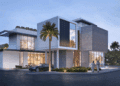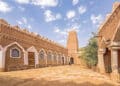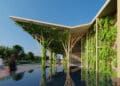
The Salmani Architecture movement is rapidly transforming the urban landscape of the Gulf Cooperation Council (GCC), moving regional development away from generic international styles. Codified by the King Salman Charter for Architecture and Urbanism, this design framework establishes strict guidelines that merge local cultural heritage with advanced structural engineering. By moving away from superficial historical replicas, the movement dictates specific rules for high-thermal-mass materials, self-shading geometric envelopes, and human-centric spatial planning designed natively for hyper-arid environments.
What Key Figures Define the Scaling of Salmani Design Frameworks?
The integration of Salmani design guidelines is heavily driven by municipal zoning mandates and major public investment funds. The framework dictates measurable targets for sustainability, regional procurement, and community integration:
| Guideline Factor | Baseline Target / Metric | Governing Authority | Year |
| Core Architectural Pillars | 6 foundational values (Authenticity, Continuity, Human-Centricity, Livability, Innovation, Sustainability) | Architecture and Design Commission | 2026 |
| Local Procurement Mandate | 40% minimum regional natural material aggregate composition | Riyadh Regional Municipality | 2025 |
| Housing Pipeline Volume | 30,000+ certified residential units under development | Public Investment Fund (ROSHN SEDRA Project) | 2026 |
How Do the Six Core Values Shape Modern Salmani Blueprints?
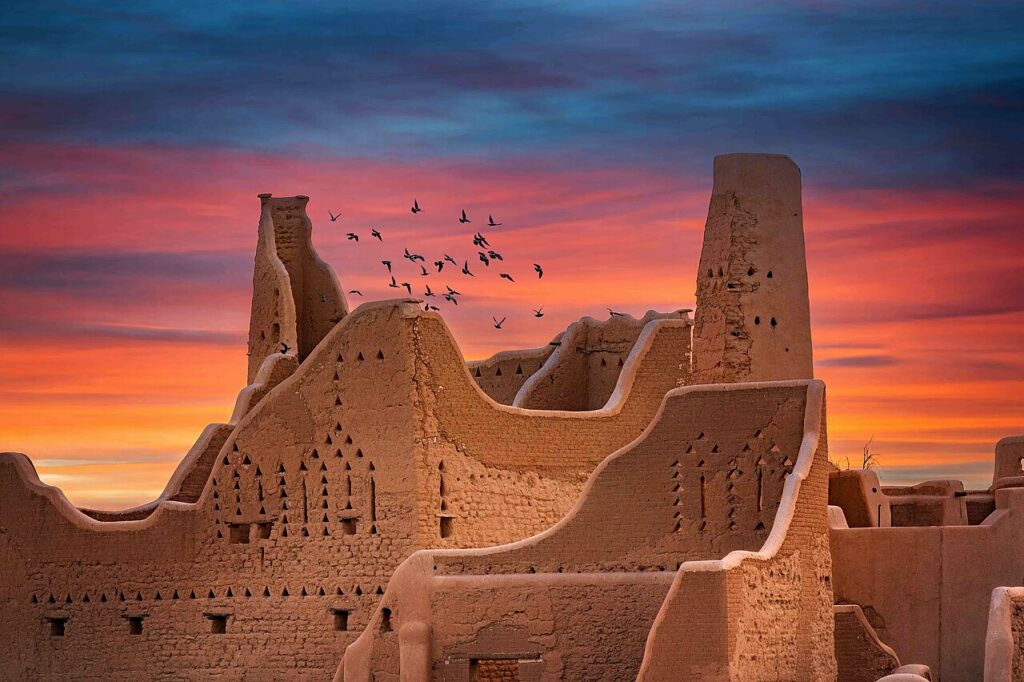
The visual and functional execution of any Salmani building is governed strictly by the six core values outlined in the official King Salman Charter for Architecture and Urbanism. Rather than serving as abstract theory, these pillars operate as practical design rules. Architects must balance authenticity and continuity by researching the localized vernacular, such as Najdi architecture, and reinterpreting its scale using modern post-tensioned concrete and structural steel.
Human-centricity and livability dictate that the building scale must prioritize the physical and psychological well-being of its occupants. This rules out vast, unshaded glass facades that create harsh glare. Instead, plans must integrate introverted family courtyards, deep-set window apertures, and structural overhangs. Innovation and sustainability complete the framework, requiring modern projects to integrate green building certifications like Mostadam or LEED directly into the traditional structural form.
Why Are Salmani Code Manuals Overtaking Generic Master Plans?
The rapid adoption of the Salmani framework stems from its integration into official municipal development codes, such as the comprehensive Sports Boulevard Design Code in Riyadh. Historical building models that copied Western glass skyscrapers resulted in massive local microclimate failures, driving up air conditioning costs and placing immense strain on regional electrical grids.
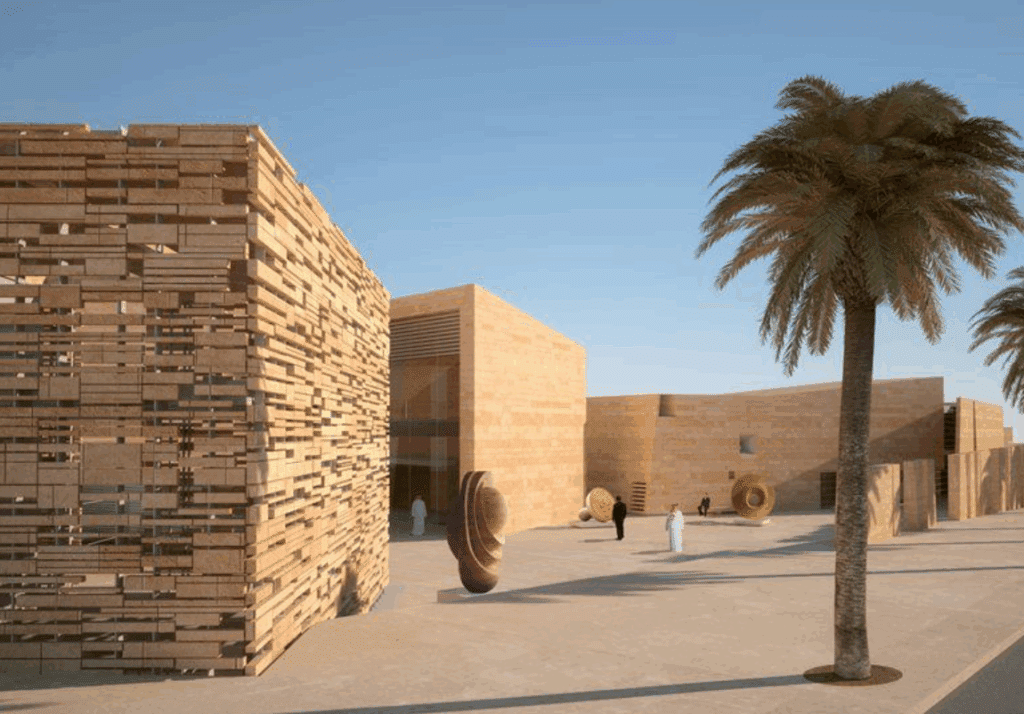
The Salmani manuals solve this issue by legally dividing development plots into specific structural zones called “Transects.” Each transect enforces distinct rules regarding maximum building heights, mandatory setbacks, and outer material textures. By legally requiring developers to use high-density natural limestone, rough-textured earthen aggregates, and integrated mashrabiya shading screens, the city achieves visual harmony while dropping localized ambient urban temperatures.
Frequently Asked Questions
What is the King Salman Charter for Architecture and Urbanism?
The King Salman Charter for Architecture and Urbanism (KSCAU) is a formal regulatory framework published by the Architecture and Design Commission (ADC) of Saudi Arabia, the body established under Royal Decree to govern the built environment’s alignment with Vision 2030. The Charter codifies six foundational design values — Authenticity, Continuity, Human-Centricity, Livability, Innovation, and Sustainability — derived from architectural principles established during King Salman bin Abdulaziz Al Saud’s 50-year tenure as Governor of Riyadh, during which the city transformed from a regional town to a 8-million-person metropolis while maintaining cultural coherence. The Charter does not serve as a style guide; it is an enforceable regulatory document that municipal authorities in Riyadh, Jeddah, Dammam, and designated development zones are empowered to mandate for all new construction permits within their jurisdiction. The ADC publishes the full Charter documentation and transect zone maps at adc.gov.sa.
How does Salmani architecture improve structural energy efficiency?
Salmani architecture achieves energy efficiency through passive thermal regulation rather than mechanical substitution. The primary mechanism is thermal mass: natural limestone and earthen aggregate walls with a minimum 300mm thickness absorb solar radiation during the day (when the exterior surface can reach 60–70°C in Riyadh summers) and release this stored heat outward during the cooler night hours, preventing it from penetrating to the interior. This thermal lag effect — typically 8–12 hours for a 300mm limestone wall — means peak interior temperatures occur at night when ambient temperatures are falling rather than at midday when they are rising. Complementing thermal mass, mandatory deep overhangs (minimum 600mm projection under Riyadh’s transect manuals) shade windows during high-sun summer months while allowing low-angle winter sun to penetrate for passive solar heating. Integrated mashrabiya screens on east and west facades provide a further 40–60% reduction in direct solar gain on these critical orientations, cutting HVAC load relative to unshaded glass curtain walls by an estimated 30–40% over a building’s lifetime.
Can a developer use modern synthetic materials under Salmani rules?
The Salmani framework is performance-based and material-neutral provided compliance with visual authenticity and thermal performance requirements is demonstrated. Modern synthetic and composite materials are approvable under three conditions: first, the material’s exterior surface must replicate the earth-toned colour range (warm ochres, sandstone beiges, terracotta reds) and non-specular (non-reflective) texture finish specified in the applicable transect manual — reflective glass and polished metal claddings are explicitly prohibited on street-facing facades. Second, the material must meet or exceed the thermal resistance (R-value) and solar heat gain coefficient (SHGC) thresholds set by the Riyadh Regional Municipality for its climate zone. Third, locally sourced materials must constitute at least 40% of the project’s aggregate by mass under the procurement mandate. High-performance EIFS with a stone-texture finish coat, insulated precast concrete panels, and aluminium panels with a factory-applied earthen powder coat are all examples of synthetic systems that have received ADC approval on certified Salmani projects.
Where can architects and developers access official Salmani design guidelines and transect zone maps for their projects?
The Architecture and Design Commission (ADC) is the primary gateway for all Salmani compliance documentation. The ADC publishes the King Salman Charter for Architecture and Urbanism, transect zone maps for Riyadh’s major development districts (including the Sports Boulevard, King Salman Park, and Diriyah’s New Murabba zone), and the approved material palette specifications at adc.gov.sa. For ROSHN SEDRA project compliance — which encompasses 30,000+ certified residential units — developers should engage directly with ROSHN’s design review team through roshn.sa. The Riyadh Regional Municipality (rr.gov.sa) publishes the specific development control regulations (DCRs) that embed Salmani transect requirements into the formal building permit process. For academic and technical reference, King Saud University’s College of Architecture and Planning publishes peer-reviewed analysis of Salmani implementation case studies at ksu.edu.sa.