
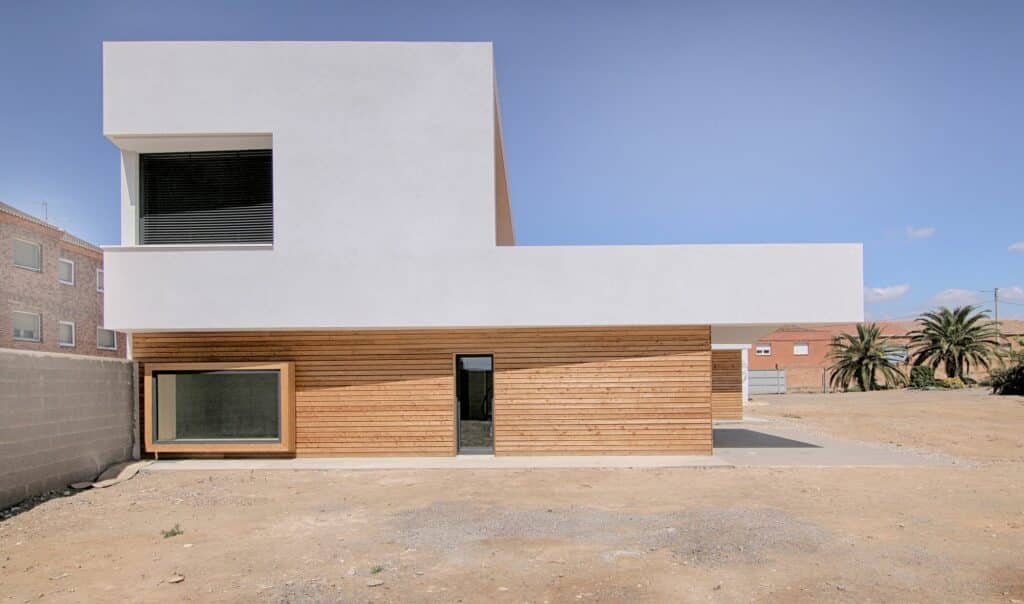
The era of the massive, unmanageable luxury mansion is being replaced by high-performance residential design as premium buyers rethink their lifestyles. Disillusioned by underutilized square footage, escalating maintenance costs, and large carbon footprints, luxury clients are prioritizing “Right-Sizing.” This architecture movement replaces raw, sprawling space with highly optimized spatial efficiency, maximizing interior vertical volumes, natural light penetration, and convertible multi-functional spaces to deliver high-end luxury within a smart footprint.
What Key Market Shifts Accelerate the Selection of Right-Sized Footprints?
Recent luxury real estate market analytics reveal that buyers are spending their money on premium material finishes, smart home automation, and energy-efficient building systems rather than buying massive residential plots:
| Luxury Asset Variable | Percentage / Structural Metric | Sourcing Agency | Year |
| Footprint Reduction | 22% drop in average total square footage for premium custom home commissions | AIA Home Design Trends Survey | 2025 |
| Budget Allocation | 40% increase in capital spent per square foot on premium automated systems | Custom Residential Builders Index | 2026 |
| Architectural Feature Demand | 78% priority spike for integrated multi-functional convertible rooms | Luxury Real Estate Market Report | 2026 |
How Do High Vertical Volumes Replace Large Horizontal Floorplans?
To maintain a strong sense of grandeur and luxury while reducing a building’s physical footprint, right-sized architecture shifts its focus from horizontal space to vertical volume. Instead of building endless corridors of separate rooms, architects design open, interconnected spaces that feature double-height ceilings, floating staircases, and tall vertical glass walls.
This smart design approach draws the eye upward, making a compact room feel incredibly expansive, open, and airy. By combining high vertical ceilings with open floor plans, interior spaces feel connected and fluid. This layout allows natural light to flow deep into the core of the home, giving it a premium feel that rivals mansions twice its size.
Why Are Multi-Functional Spaces Essential for Right-Sized Luxury?
The core layout strategy of a right-sized premium home is the complete elimination of single-use rooms, such as formal dining halls or guest rooms that sit empty for most of the year. Architects utilize advanced kinetic wall systems, hidden pocket doors, and integrated custom joinery to allow a single space to adapt to different needs throughout the day.
An elegant home office can transform into a luxury guest suite within minutes via automated wall panels and integrated wall beds. Similarly, a primary living room can seamlessly expand into an outdoor entertainment terrace using flush-mounted, sliding glass partition tracks. This flexible layout approach ensures that every single square meter of the home is fully utilized, lowering long-term operating costs while providing an exceptional living experience.
Frequently Asked Questions
Does right-sizing architecture mean moving into a tiny house?
Right-sizing is a premium design philosophy that is categorically distinct from the tiny house movement. Tiny house living (typically sub-37 sqm) is driven by cost minimisation and anti-consumerist lifestyle values. Right-sizing targets a different client: the luxury buyer who owns or is building a bespoke residence in the 300–700 sqm range and chooses to optimise that footprint for quality of use rather than quantity of rooms. The AIA Home Design Trends Survey (2025) recorded a 22% reduction in average total square footage commissioned by premium custom home clients — but simultaneously a 40% increase in capital spent per square metre on high-performance finishes, automated systems, and bespoke joinery. The result is homes that feel more generous, not smaller, because every cubic metre is purposefully designed rather than filled with under-used corridor space or formal rooms occupied fewer than ten times per year.
How does right-sizing lower the long-term cost of a luxury home?
Right-sized homes reduce long-term ownership costs across four dimensions. Energy: a 500 sqm right-sized home with high-performance glazing (SHGC 0.25) and insulation (R-30+ wall assembly) typically consumes 30–40% less cooling energy than a 700 sqm conventionally designed mansion of equivalent specification level in Gulf climates — a direct annual saving of AED 18,000–35,000 at current UAE commercial electricity tariffs. Maintenance: the exterior envelope surface area is proportionally smaller, reducing annual facade cleaning, exterior painting, and roof waterproofing costs by 20–30%. Staffing: smaller homes require fewer domestic staff and reduced facilities management overhead. Property lifecycle: compact, high-specification homes historically appreciate at stronger rates per sqm than large, low-specification properties in luxury markets, as the premium buyer pool for easily maintained, energy-efficient homes with smart automation is growing faster than demand for traditional large-format mansions.
How do kinetic walls work in a custom residential layout?

Kinetic wall systems in residential right-sizing applications are engineered folding or sliding partitions that span full floor-to-ceiling heights (typically 2.7–4.2 metres in premium homes) and achieve acoustic performance of 38–45 dB Sound Transmission Class (STC) when closed — sufficient for home office privacy and ensuring conversations in one zone are inaudible in an adjacent zone. Systems most commonly specified in GCC luxury residential projects include NanaWall (frameless glass folding systems for indoor-outdoor transitions), VITROCSA minimal frame glass walls, and Lindner or Dorma Hüppe opaque operable partitions for internal room division. Automated variants integrate with KNX or Control4 home automation protocols, allowing partition positions to be preset as “scenes” — a single button press reconfigures a ground floor from a daytime open-plan living area to a divided evening dining room and separate media room. The CTBUH (ctbuh.org) and the American Institute of Architects (aia.org) both publish technical resources on adaptive residential space planning systems.
Where is right-sizing architecture most actively adopted in the GCC luxury residential market, and what should buyers look for when commissioning a right-sized home?
Right-sizing is most actively adopted in GCC markets where land cost per sqm is highest and where sophisticated luxury buyers have international exposure to European and North American premium residential standards. Dubai’s Palm Jumeirah, Jumeirah Bay Island, and District One villas are the most visible Gulf examples: developers including Alpago Properties, Ellington Properties, and AHS Properties have all produced right-sized luxury villa products (350–550 sqm BUA on compact plots) that command price premiums over larger, less efficient neighbouring properties. In Saudi Arabia, Diriyah Gate’s residential quarter and ROSHN’s SEDRA community are specifying right-sized courtyard villas that prioritise thermal performance and spatial efficiency over raw square footage. When commissioning a right-sized home, buyers should look for: double-height volumes in primary living spaces; a multi-functional room capable of serving at least two distinct functions; natural light reaching all primary living areas without relying on artificial light during daylight hours; and smart home integration (KNX, Control4, or Loxone) covering lighting scenes, climate zones, and partition control from a single interface.