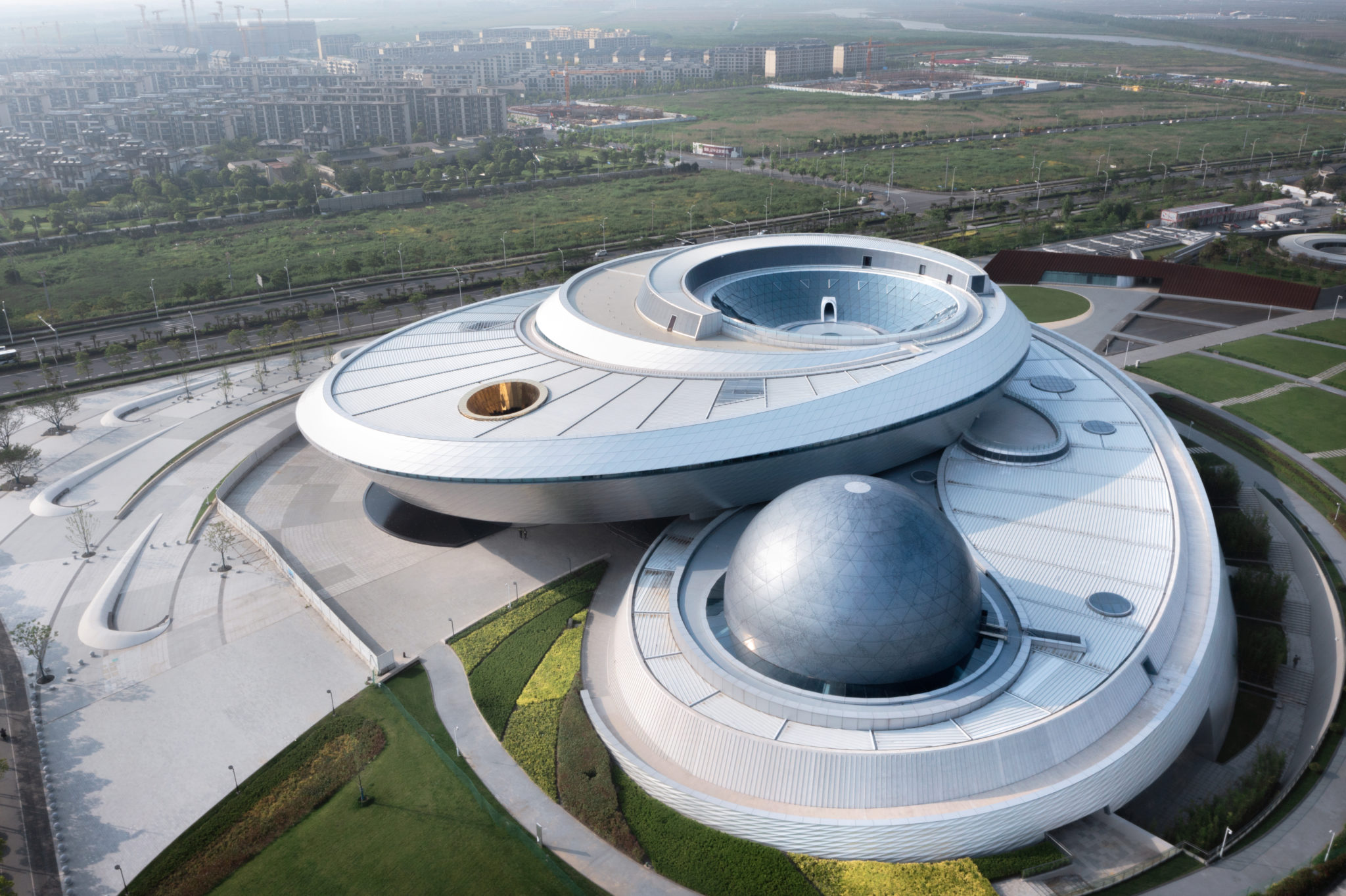
Parametric design relies on algorithmic computational software to generate complex geometric forms based on real-world data inputs such as solar radiation, wind loads, and structural material constraints. Instead of drawing static shapes, modern architects program environmental variables to let computing logic automatically calculate the absolute most efficient building envelope. This advanced data-driven methodology allows developers to build highly complex, organic structures that drastically reduce raw material usage while maximizing climate resilience.
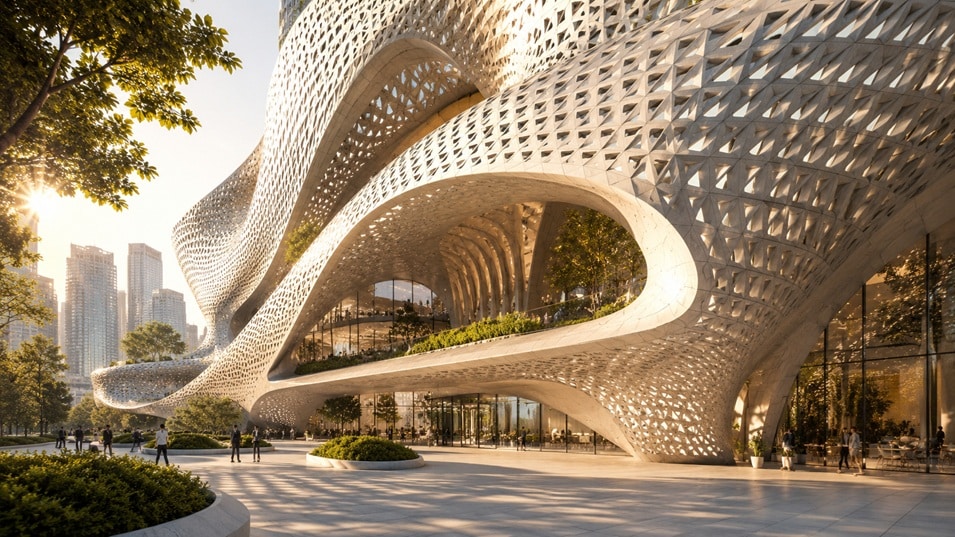
Parametric Engineering and Material Efficiency Metrics (2026)
| Architectural Parameter | Computational Performance Advantage | Primary Data Source | Evaluation Year |
| Material Mass Reduction | Cuts structural concrete and steel weight by up to 35% | International Journal of Architectural Computing | 2026 |
| Kinetic Solar Shading | Lowers building HVAC cooling loads by 20% to 30% | Council on Tall Buildings and Urban Habitat | 2026 |
| Structural Optimization | Resolves high-stress wind loads via curved aerodynamic facades | World Architecture Community | 2026 |
| BIM Lifecycle Integration | Connects algorithmic shapes directly to robotic fabrication lines | BuildingSMART International | 2026 |
Which Technical Input Variables Drive Parametric Design Software?
The creation of complex architecture systems requires developers to feed precise physical parameters into algorithmic modeling engines like Grasshopper or Rhino. These software systems utilize environmental data, zoning setbacks, structural load distribution rules, and acoustic requirements as active design drivers. When a single variable changes—such as the seasonal angle of desert sunlight—the entire digital model automatically recalculates its geometry to alter window sizes, panel angles, and structural supports across the entire facade.
Why Are Real Estate Developers Financing Algorithmic Fabrications?
While fluid, curved facades were historically viewed as expensive aesthetic luxuries, modern commercial developers use algorithmic parameters to actively reduce construction overhead costs. By running millions of structural stress simulations digitally, engineers can pinpoint the exact locations where steel reinforcement is necessary, eliminating excess concrete from low-stress zones. This precise optimization allows iconic, complex landmarks to utilize repeating, standardized panel shapes that are pre-fabricated off-site, reducing construction error rates down to zero.
Frequently Asked Questions (FAQ)
What is the core difference between traditional architecture and parametric architecture?
Traditional architecture is a sequential process: a designer draws a fixed form, then engineers check whether it performs acceptably — and revisions are made manually if it doesn’t. Parametric architecture inverts this entirely. Environmental performance targets (solar heat gain coefficients, wind load tolerances, structural stress limits) are defined first, and algorithmic software — primarily Grasshopper running inside Rhinoceros 3D, or Dynamo inside Autodesk Revit — generates an entire family of geometric solutions that satisfy all constraints simultaneously. The architect then selects from these algorithmically valid options rather than drawing from intuition alone. In practice, this means that changing a single parameter — such as the prevailing wind direction or the permitted floor-plate depth — automatically propagates recalculations across the entire building model in seconds, a process that would take weeks of manual revision in a traditional workflow.
Which software programs do architects use to create parametric structures?
The core parametric design toolkit in professional practice includes Rhinoceros 3D, Grasshopper, Autodesk Revit, and custom Python or C# scripts embedded within these environments for bespoke geometry operations. Grasshopper is the dominant tool for facade and structural optimization, used on projects including NEOM’s The Line facade panels and the Al Bahar Towers’ origami shading system. Revit with Dynamo handles BIM-integrated parametric workflows where the geometry must connect directly to quantity schedules, cost models, and fabrication outputs. For structural engineering, Karamba3D (a Grasshopper plug-in) runs finite element analysis directly within the design environment, allowing structural optimization and visual design to iterate together in real time. BuildingSMART International maintains the IFC open data standard that connects parametric model outputs to robotic fabrication systems and construction sequencing software.
How does parametric design support environmental sustainability goals?
Parametric design contributes to sustainability across three phases of a building’s lifecycle. During design, solar radiation analysis tools (such as Ladybug and Honeybee, both Grasshopper plug-ins) calculate the precise shading geometry needed to reduce direct solar gain on each facade orientation, cutting cooling loads by 20–30% compared to a conventionally glazed equivalent. During construction, parametric structural optimization reduces total concrete and steel mass by up to 35% by placing material only where stress demands require it — eliminating the blanket over-engineering typical of manually designed structures. During operation, parametric models can be connected to building management systems (BMS) that use the original geometric logic to continuously optimize kinetic shading positions based on real-time weather data, maintaining peak thermal performance across all seasons without manual re-programming.
Where are the most significant examples of parametric architecture currently under construction in the Middle East?
The GCC is host to the most ambitious parametric architecture pipeline in the world by capital value. The Mukaab in Riyadh — a 400-metre cube clad in parametrically generated Najdi geometric patterning by New Murabba Development Company — is the headline project. NEOM’s The Line involves parametric facade systems extending across a 170-kilometre continuous structure. The Diriyah Gate Authority’s masterplan applies parametric algorithms to replicate traditional Najdi mud-brick proportions and geometric motifs at urban scale. In the UAE, Zaha Hadid Architects’ Opus Office Tower in Dubai Business Bay and the Al Bahar Towers in Abu Dhabi (by Aedas) remain the regional reference benchmarks for kinetic parametric facades in commercial use. The Council on Tall Buildings and Urban Habitat (CTBUH) at ctbuh.org maintains a searchable database of parametrically designed tall buildings globally including their technical specifications.