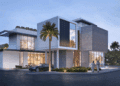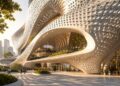
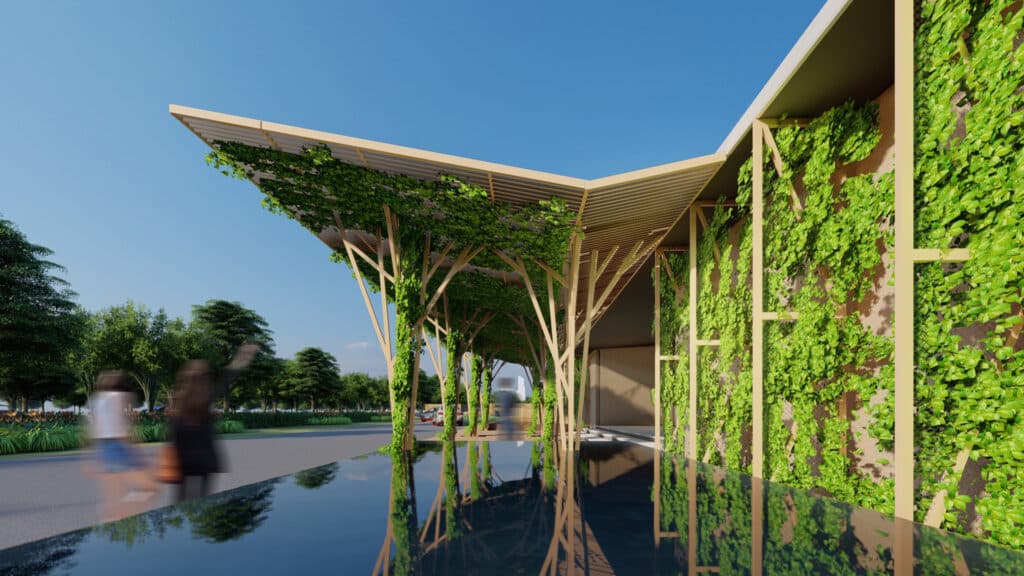
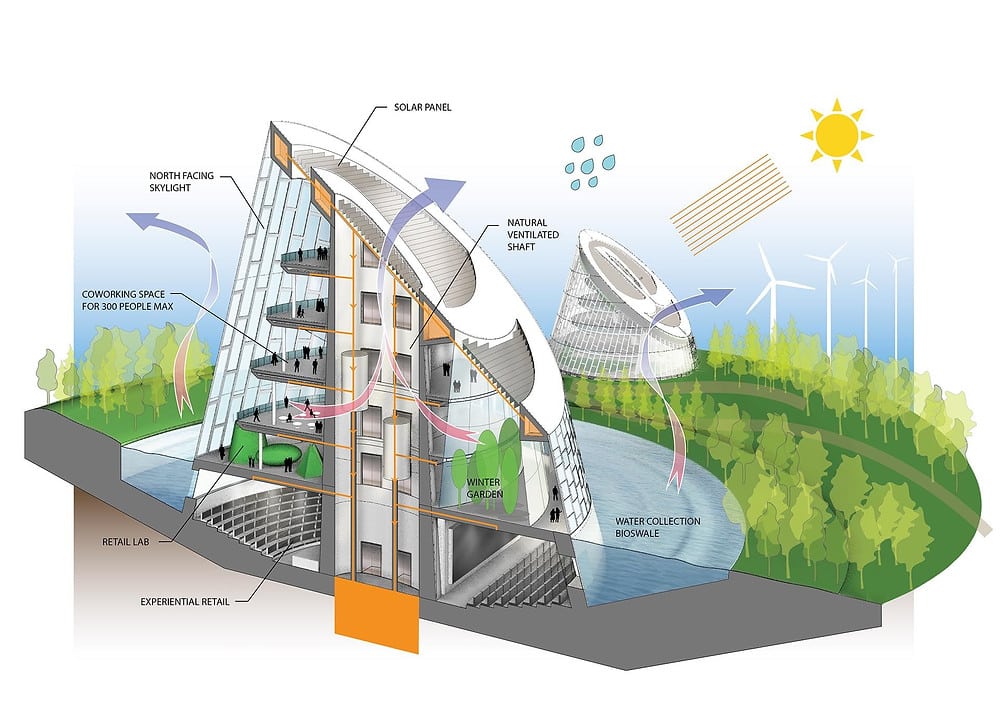
Bioclimatic architecture has transitioned from a niche environmental theory into an essential construction methodology as global temperatures continue to rise. By designing structures that respond dynamically to their local microclimate, bioclimatic buildings optimize thermal comfort using natural environmental resources like wind, sun, and vegetation. Through the clever deployment of cross-ventilation networks, high-thermal-mass building envelopes, and underground earth-to-air heat exchangers, these real-world examples eliminate the need for fossil-fuel-powered air conditioning.
What Performance Metrics Baseline Validates Bioclimatic Cooling Efficiency?
The operational success of bioclimatic architecture is measured against rigorous international low-energy building standards. Data collected from certified international builds highlights a dramatic reduction in carbon emissions and electricity consumption:
| Performance Criterion | Standard Target Limitation | Monitoring Agency | Year |
| Maximum Cooling Demand | 15 kWh per square meter annually | Passivhaus Standard Guidelines | 2026 |
| Total Primary Energy Use | 60 kWh per square meter annually (including appliances) | European Energy Performance Directive | 2025 |
| Ambient Interior Relief | 8°C reduction in indoor temperature without active HVAC | United Nations Environment Programme (UNEP) | 2026 |
How Do Earth-to-Air Heat Exchangers Facilitate Passive Cooling?
One of the most effective structural elements utilized in modern bioclimatic architecture is the earth-to-air heat exchanger, commonly referred to as an earth tube system. This passive engineering strategy takes advantage of the fact that the temperature of the soil remains completely stable year-round once you dig two to three meters below the earth’s surface, staying significantly cooler than summer air temperatures.
An automated intake fan or natural wind cowl draws ambient hot air into a network of buried, highly conductive subterranean pipes. As the hot air flows through these underground tubes, it naturally transfers its thermal energy directly into the surrounding cool soil. The air is then supplied to the building’s interior core at a refreshed, comfortable temperature, providing a continuous flow of fresh air without drawing heavy electricity from the power grid.
Why Is Building Orientation Crucial for Bioclimatic Success?
In premium bioclimatic layouts, a building’s orientation relative to the path of the sun is the primary factor that dictates its overall energy load. Architects utilize computational solar mapping to position the longest sides of a structure along the north-south axis, while keeping east and west exposures as narrow as possible.
This specific configuration blocks the intense, low-angle solar heat generated during sunrise and sunset on western and eastern walls. The southern facades are then treated with horizontal structural overhangs, solar shelves, and deciduous vegetation barriers. This approach allows low-angle winter sunlight to enter the interior spaces for natural warmth while casting deep, protective shadows over the windows during peak summer heatwaves.
Frequently Asked Questions
What is the primary difference between sustainable architecture and bioclimatic architecture?
Sustainable architecture is an umbrella term covering any design practice that reduces environmental impact — including renewable energy installations, recycled materials, water conservation, and waste reduction. Bioclimatic architecture is a specific subset with a narrower, more demanding definition: it requires a rigorous computational analysis of the site’s local climate data (solar radiation intensity by hour, prevailing wind direction and speed by season, humidity profiles, and soil temperature at depth) before a single design decision is made. The building’s geometry, orientation, wall mass, window placement, and roof profile are then engineered as a direct response to that climate data. The standard result is that the building’s passive shell alone handles thermal regulation — maintaining interior temperatures within the comfort band (22–26°C) without mechanical HVAC during a significant portion of the year. In GCC climates, this is most commonly achieved during spring and autumn shoulder seasons; full zero-energy cooling in peak Gulf summer (40–50°C ambient) requires earth tube systems or radiative cooling membranes in addition to passive geometry.
How does cross-ventilation operate in a bioclimatic home?
Cross-ventilation is driven by pressure differential: the windward side of a building (facing the prevailing breeze) experiences positive pressure, and the leeward side experiences negative pressure. Openings on both sides allow air to flow through the building continuously, driven by this pressure difference rather than by fans. Effective bioclimatic cross-ventilation requires three design conditions to be met simultaneously: (1) inlet and outlet apertures positioned on directly opposite or adjacent faces of the building; (2) inlet apertures smaller than outlets — a 1:1.5 or 1:2 inlet-to-outlet ratio accelerates air velocity at the inlet, enhancing the cooling effect on occupants; and (3) a clear internal flow path with no obstructions between inlet and outlet. In practice, this means open-plan layouts, or interior doors and partitions positioned perpendicular to (not across) the airflow path. In the Gulf, cross-ventilation is most effective from October to April; during summer months, the incoming air is too hot to provide cooling without pre-cooling via earth tubes or evaporative systems.
Can existing conventional buildings be retrofitted with bioclimatic systems?
Yes, though the retrofit impact varies significantly by building type and age. The most cost-effective passive retrofits in order of typical payback period are: (1) cool roof coatings — applying high solar reflectance (SRI 80+) coatings to flat roofs can reduce roof surface temperatures by 20–30°C and cut cooling loads by 10–15%, with a typical payback under three years; (2) external solar shading — adding automated aluminium louvers or fabric screens to east and west windows, where direct morning and afternoon sun is hardest to manage; (3) external wall insulation (EIFS) — wrapping an existing masonry façade with a 50–80mm insulation layer eliminates thermal bridging and can reduce wall heat gain by 40–60%; (4) window film or low-E glazing replacement — applying solar control window film (SHGC reduction to 0.25–0.35) to existing single or double glazing is the lowest-cost intervention with immediate effect. In the UAE and Saudi Arabia, several green building retrofit grant programmes and concessional loan facilities are available through the Emirates Green Building Council (emiratesgbc.org) and the Saudi Energy Efficiency Center (seec.gov.sa).
Which bioclimatic building projects in the GCC are most frequently cited as performance benchmarks?
Several GCC projects are now reference benchmarks for bioclimatic performance. Masdar City in Abu Dhabi remains the most studied: its street network is oriented to channel prevailing northerly winds through the district, its elevated platform creates shade at street level, and the traditional wind tower (updated as a 45-metre passive ventilation tower) reduces ambient temperatures in the central plaza by up to 20°C versus the surrounding desert. NEOM’s Sindalah island development is being designed to Passivhaus-adjacent standards for its hospitality structures, using computational fluid dynamics to optimise building placement for natural ventilation. In Saudi Arabia, the Diriyah Gate Authority mandates bioclimatic principles — specifically thermal mass, courtyard cooling, and deep overhangs — across all restoration and new-build structures in the UNESCO-listed At-Turaif district. The United Nations Environment Programme (UNEP) Sustainable Buildings and Climate Initiative tracks global case studies at unep.org/sbci, and the Passivhaus Institute (passiv.de) maintains a certified project database including GCC-region builds.