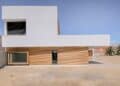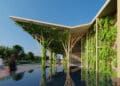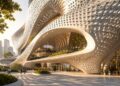
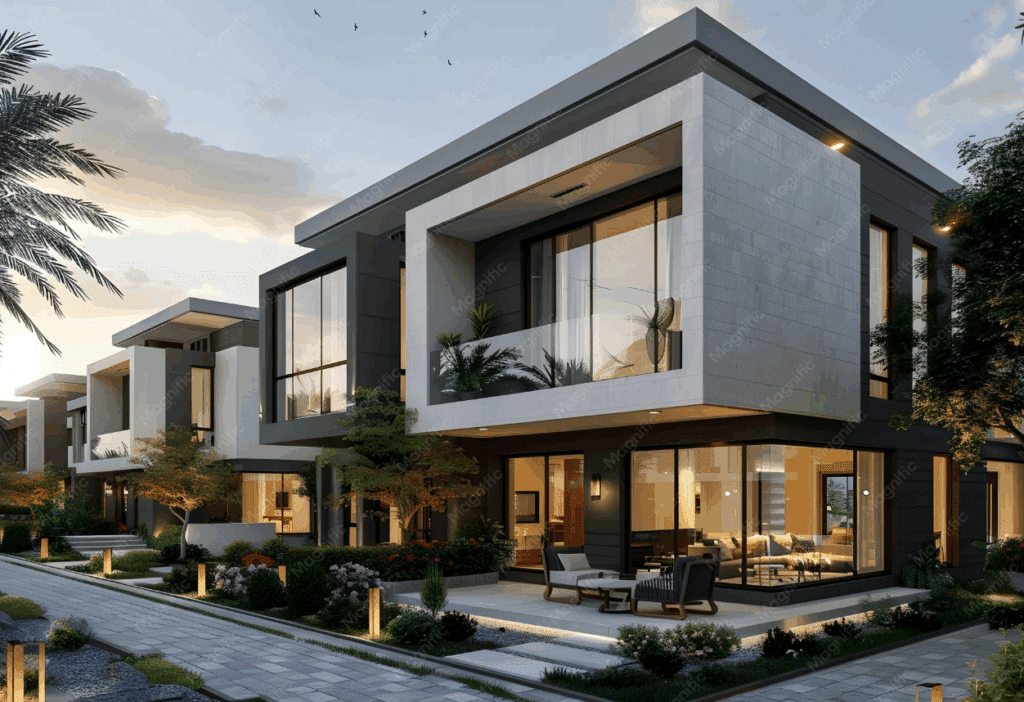
The trend of quiet luxury and warm minimalism in UAE architecture is defined by a deliberate shift away from opulent, reflective high-rise aesthetics toward understated, context-driven structures. Architects achieve this by utilizing raw, textured natural stone, tactile earth-toned surfaces, and strategic natural lighting to create a sense of understated exclusivity. This design approach prioritizes structural clean lines and authentic materials over superficial ornamentation, aligning with contemporary high-end residential and hospitality standards across Dubai and Abu Dhabi.
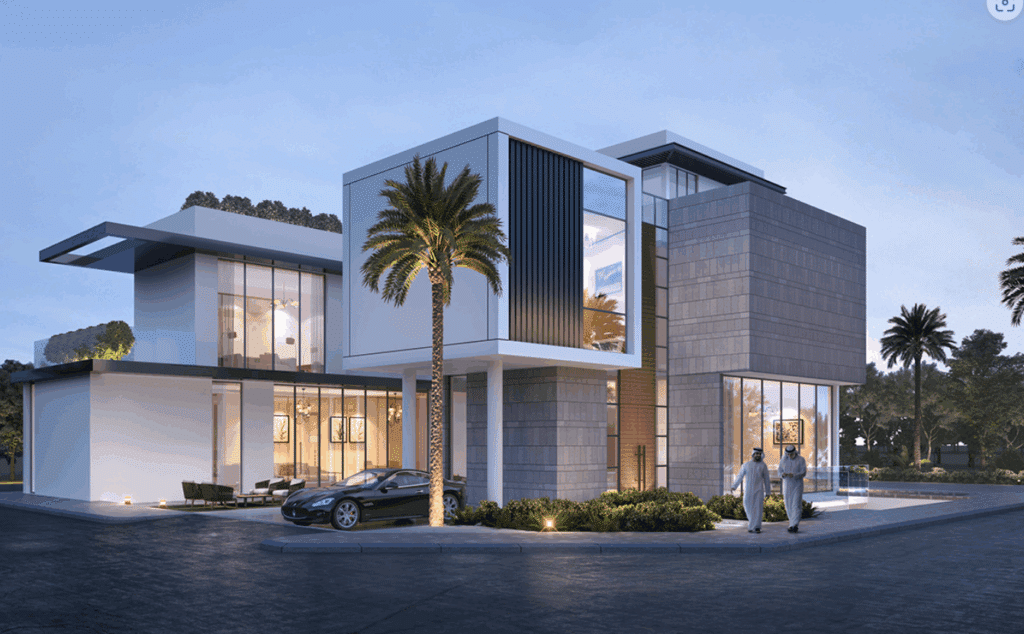
Architectural Performance & Material Benchmarks
| Performance Parameter | System Benchmark / Target | Sourcing / Governing Entity | Year |
| Built Environment Carbon Cut | Target up to 40% reduction in premium assets | Emirates Green Building Council | 2025 |
| Potential Lifecycle Offset | Up to 80% emissions reduction via circular loops | KAUST Repository / Global Report | 2025 |
| Mandatory Glazing Metric | Solar Heat Gain Coefficient (SHGC) below 0.25 | Abu Dhabi Department of Municipalities and Transport | 2026 |
For decades, urban development in the UAE was synonymous with reflective glass towers and highly expressive architectural geometry. The contemporary shift toward warm minimalism represents a maturation of the local luxury market, where wealth is signaled through spatial generosity, material authenticity, and precise detailing rather than decorative excess.
Warm minimalism relies on a highly curated material palette that responds directly to the local desert environment. Instead of cold polished surfaces, architects select matte travertine, micro-cement, split-face limestone, and natural white oak. Large floor-to-ceiling glass panels remain a core element, but they are deeply recessed into structural overhangs to provide shade, creating a seamless visual transition between indoor spaces and natural outdoor landscapes. The resulting spaces focus entirely on volume, geometric shadow play, and sensory calmness.
How Does Warm Minimalism Alter the Acoustic and Thermal Comfort of Commercial Properties?
By substituting hard, reflective marble and chrome with open-pore travertine, textured micro-cement plaster, and deep wood cladding, warm minimalism naturally dampens acoustic echo within large indoor spaces. Thermally, the reliance on deep architectural overhangs and recessed facade glazing shields the interior from direct solar radiation. This reduces the radiant heat load entering the building envelope, creating a more stable, comfortable indoor temperature that lowers peak HVAC cooling requirements.
Why is Context-Driven Lighting Preferred Over Traditional Ornamental Fixtures?
Quiet luxury focuses on the architectural volume itself rather than decorative add-ons. Instead of hanging heavy, reflective crystal chandeliers, architects design concealed linear LED bays, architectural cove lighting, and targeted wash-lights that highlight the raw texture of split-face limestone or natural timber panels. This approach creates a serene, warm ambience that emphasizes spatial depth and natural shadow play, reinforcing the organic luxury feel without cluttering the structural sightlines.
Frequently Asked Questions
What is the difference between classic minimalism and warm minimalism?
Classic (or hard) minimalism — as practised in the early work of architects like John Pawson and early Tadao Ando — is defined by material restraint, monochromatic white or grey palettes, polished concrete, stainless steel, and the near-complete elimination of decorative elements. The experience is intellectually austere and spatially powerful, but its emotional register is cool, even clinical. Warm minimalism retains the discipline of classic minimalism — clean lines, spatial restraint, the rejection of superfluous ornamentation — but replaces the cold material palette with organic, tactile alternatives. White plaster gives way to limewash in warm sand tones; polished concrete becomes honed limestone or microcement in warm beige; stainless steel fixtures are replaced by brushed bronze or aged brass; and steel-and-glass furniture is replaced by low-profile pieces in smoked oak or natural rattan. In the UAE architectural context, warm minimalism also integrates contextual responsiveness: deep overhangs that reference traditional Emirati architecture, recessed glazing that echoes the shaded loggia typology, and locally sourced stone that connects the building material palette to the desert landscape.
How does warm minimalism handle the extreme climate of the UAE?
Warm minimalism handles the UAE’s climate through architectural form rather than glass technology alone. The primary strategy is deep structural cantilevers and horizontal overhangs — typically projecting 1.2–2.4 metres beyond the glass line on south, east, and west facades — that block direct beam solar radiation during the high-sun hours (9am–4pm) when solar altitude is above 45°. This renders the choice of glass secondary: even standard double glazing performs acceptably when shaded by a correctly calculated overhang. Where glass is exposed, the specification standard in Abu Dhabi requires a Solar Heat Gain Coefficient (SHGC) below 0.25, mandated by the Abu Dhabi Department of Municipalities and Transport. Low-emissivity (Low-E) coatings on the inner glass surface reflect interior radiant heat back into the room during winter. The combination of deep overhangs (which handle direct solar) and Low-E glazing (which handles diffuse radiation and radiant heat) eliminates the need for external blinds in most warm minimalist designs, preserving the clean sightlines that define the aesthetic.
Which materials are most common in UAE quiet luxury projects?
The warm minimalist material palette in UAE projects is narrow by design — typically three to five materials used consistently across the entire project to create visual coherence. The standard palette: (1) floor and wall stone — honed or brushed travertine (Noce or Silver travertine for warm tones) or local UAE limestone in a matte finish; (2) wall plaster — tadelakt (traditional Moroccan lime plaster with a silky texture) or Italian microcement in warm sand, stone, or warm grey tones; (3) joinery and ceiling — natural oak (wire-brushed or smoked for grain texture) or walnut for darker warmth; (4) metal accents — brushed bronze or unlacquered brass for tapware, door hardware, and light fixtures that develop a natural patina over time; (5) soft furnishings — linen, bouclé, or undyed wool in warm neutral tones. For UAE projects targeting Emirates Green Building Council (EGBC) certification, natural stone and lime plasters score material sustainability credits for their low embodied carbon and repairability, making the warm minimalist palette simultaneously aesthetically and environmentally aligned.
How does this design trend impact property value in the region?
The property value impact of warm minimalism operates through two mechanisms. First, aesthetic longevity: warm minimalist material palettes — natural stone, timber, lime plaster — age gracefully and remain visually current across multiple real estate cycles, unlike trend-driven interiors that require full refurbishment every 7–10 years. CBRE’s GCC Luxury Residential Report (2025) noted that high-specification warm minimalist villas in Dubai’s premium waterfront districts commanded 8–12% higher per-sqm transaction values than comparable properties with conventional finish packages. Second, energy efficiency and green certification: warm minimalist buildings with Al Sa’fat 2.0 Gold or LEED Platinum certification — which the architectural approach naturally supports through deep overhangs, SHGC-compliant glazing, and sustainable materials — qualify for green mortgage products from UAE banks including Emirates NBD (Green Home Loan) and Abu Dhabi Islamic Bank (Sustain) at rates 25–75 basis points below standard. Investors should note that Abu Dhabi’s Estidama Pearl mandate for new residential buildings ensures that properties built to warm minimalist standards automatically meet or exceed the emirate’s sustainability certification floor.