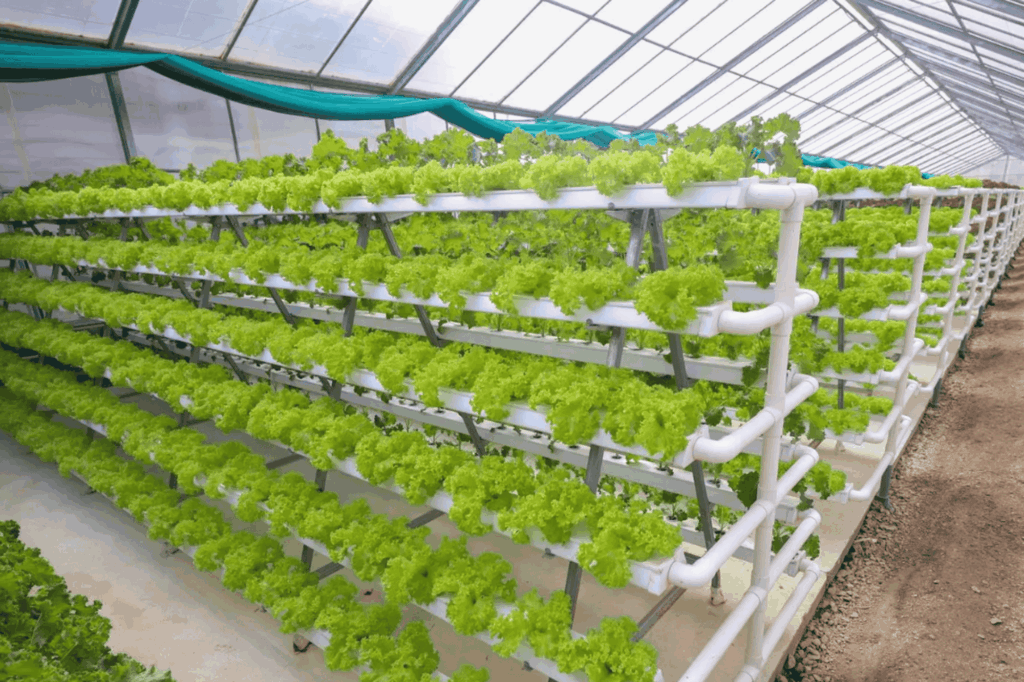
The Qassim Region has seen a notable rise in the use of hydroponic farming systems, emerging as a key solution for boosting agricultural output while significantly improving water efficiency. This shift supports Saudi Arabia’s broader objectives under Vision 2030, particularly in advancing sustainability, strengthening food security, and conserving scarce water resources.
Hydroponics is an innovative cultivation approach that eliminates the need for soil, instead supplying plants with carefully formulated nutrient solutions delivered directly to their root systems. This method enhances plant health, accelerates growth cycles, and optimizes resource use.
A range of hydroponic techniques is currently applied across the region to accommodate diverse crops and production goals. The nutrient film technique circulates a thin stream of nutrients around plant roots to encourage fast development. Floating systems allow roots to remain immersed in nutrient-enriched water, maximizing yields while minimizing water waste. In addition, inert substrates such as peat moss and perlite are commonly used to support root structures and manage moisture and airflow, especially for fruit-bearing crops. More advanced methods, including aeroponics, periodically spray roots with nutrient mist, offering exceptional water efficiency and high productivity.
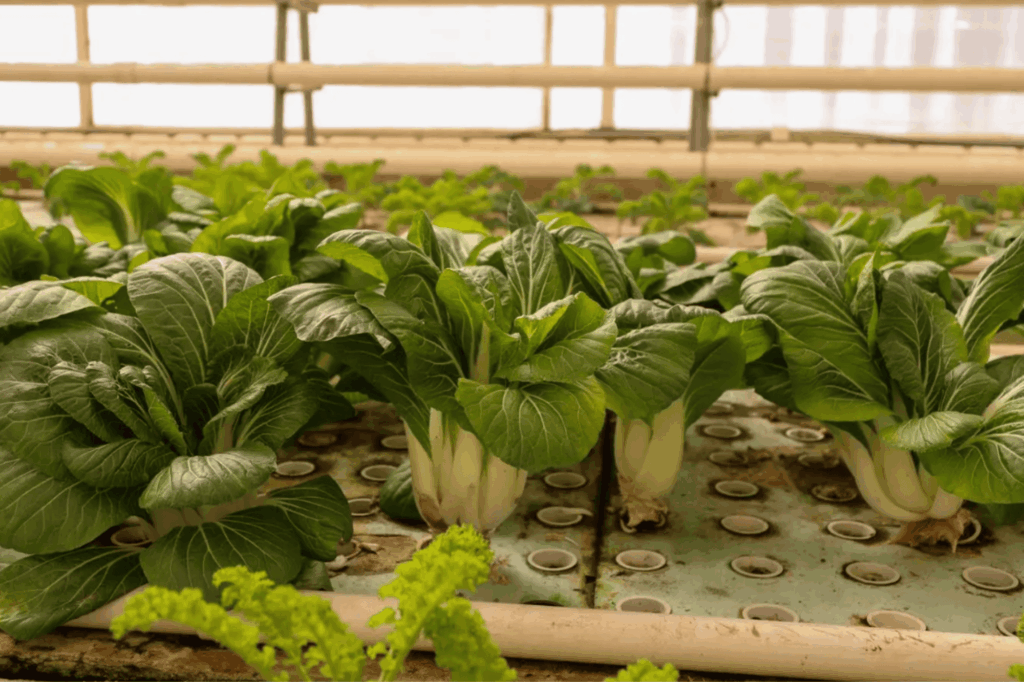
These systems are primarily implemented in controlled environments such as greenhouses and specialized agricultural facilities, enabling continuous, year-round cultivation and precise regulation of growing conditions. As a result, farmers can reduce dependence on chemical pesticides, enhance crop quality and safety, and overcome challenges associated with traditional soil-based farming.
The growing adoption of hydroponic agriculture highlights the Kingdom’s dedication to innovation within the agricultural sector, supporting long-term food security and environmental sustainability while strengthening Qassim’s role as a leading hub for modern farming practices.