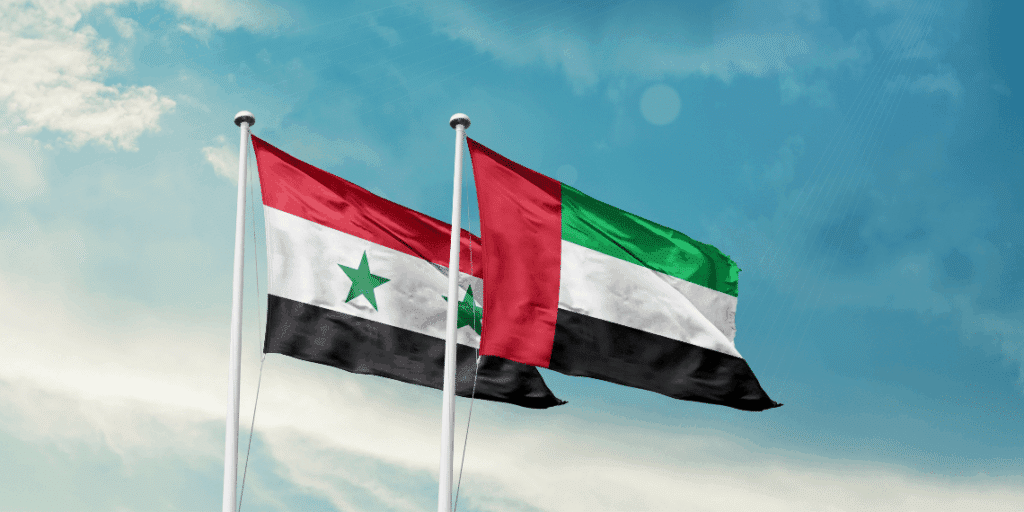
The UAE and Syria have entered a transformative phase of economic diplomacy in 2026, marked by a record-breaking $1.4 billion in non-oil bilateral trade for the previous year—a 132% increase. This momentum has culminated in the first Syrian-Emirati Investment Forum in Damascus, where preliminary agreements were reached on dozens of projects in infrastructure, aviation, and renewable energy to support Syria’s post-sanctions recovery.
Key UAE–Syria Economic Indicators (May 2026)
| Metric | Figure / Status | Source | Year |
| Non-Oil Bilateral Trade | $1.4 Billion (+132.4%) | Emirates News Agency (WAM) | 2026 |
| Emaar Proposed Projects | $12 Billion (Damascus) | Reuters / Al-Monitor | 2026 |
| Business Delegation Size | 140+ Participants | Economy Middle East | 2026 |
| Aviation Status | Resuming mid-June | Etihad Airways | 2026 |
What was achieved during the first Syrian–Emirati Investment Forum?
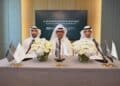
The forum, held at the Presidential Palace in Damascus on May 12, 2026, served as a platform for a high-level UAE delegation led by H.E. Dr. Thani bin Ahmed Al Zeyoudi, Minister of Foreign Trade. The two nations reached preliminary understandings on dozens of investment projects spanning tourism, construction, infrastructure, and logistics. A key outcome was the agreement to form a joint technical delegation to visit the UAE shortly to develop a comprehensive implementation roadmap for these agreements.
How are UAE private sector giants participating in Syria’s recovery?
The presence of major Emirati business leaders, including Mohamed Alabbar, founder of Emaar Properties, signals a significant shift toward large-scale urban development. Alabbar confirmed that Emaar is currently studying projects in Damascus worth up to $12 billion, alongside potential coastal developments valued at $7 billion. This participation by the private sector is viewed as a cornerstone of the UAE’s strategy to foster stability through economic integration and “Modern Heritage” urban planning.
Why is the resumption of Abu Dhabi–Damascus flights significant?
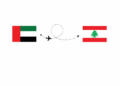
On May 11, 2026, Etihad Airways announced it would resume direct flights between Abu Dhabi and Damascus in mid-June, ending a suspension that began in 2012. This move is more than logistical; it is a diplomatic signal of the full normalization of economic ties. By restoring direct aviation links, the UAE is facilitating the movement of the 140+ business representatives and technical experts required to execute the infrastructure and energy projects outlined in the recent bilateral meetings.
Frequently Asked Questions (FAQ)
What prompted the sudden surge in UAE–Syria trade?
The lifting of major Western sanctions at the end of 2025 and Syria’s solidarity with the UAE during regional security challenges in early 2026 accelerated the warming of ties, leading to the 132.4% surge in trade volume.
What sectors are prioritized in the new UAE–Syria roadmap?
The primary sectors include infrastructure and construction (led by Emaar), aviation (Etihad Airways), agriculture, and renewable energy, as Syria seeks to modernize its power grid and food supply chains.
Is the “Made in Saudi” model influencing this diplomacy?
While distinct, the UAE is applying a similar “Economic First” strategy, focusing on localization and industrial partnerships to ensure that Syrian recovery is driven by regional capital and technical expertise rather than external aid.
Who are the key official entities involved in these talks?
The discussions involve the UAE Ministry of Economy, the Syrian Ministry of Economy and Industry, and the Syrian Investment Authority, all working toward a unified investment framework.