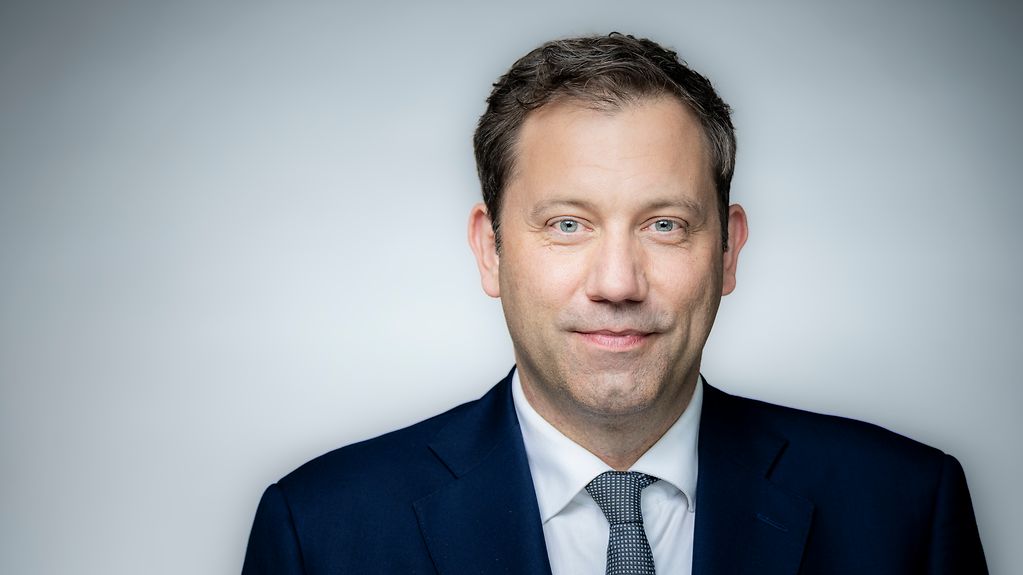
Germany’s Finance Minister Lars Klingbeil presented the country’s 2027 federal budget draft and financial roadmap through 2030 to the Parliament’s Budget Committee on Tuesday, following approval of the proposal by the Federal Cabinet.
According to a parliamentary statement, the draft budget projects federal spending of €555.4 billion in 2027, representing an increase of €30.9 billion, or 5.9%, compared with the 2026 budget.
The proposed budget includes €50 billion in investment spending, up from €47.9 billion in 2026. Meanwhile, debt servicing costs are expected to climb to €41.9 billion, an increase of €11.6 billion year-on-year, driven by higher borrowing costs.
The largest share of funding is allocated to the Labour and Social Affairs sector, which is set to receive €201.5 billion, compared with €197.3 billion in 2026.
Defence spending ranks as the second-largest allocation, rising significantly to €109.7 billion from €82.7 billion the previous year. The increase forms part of Germany’s efforts to strengthen defence capabilities and meet its commitments under NATO.
The Transport Ministry is the third-largest recipient, with funding of €26.4 billion, compared with €27.9 billion in 2026.
The budget draft forecasts federal revenues of €555.4 billion, matching planned expenditure. Tax revenues are expected to reach around €394.7 billion, an increase of €7.5 billion compared with the previous year.
Germany also plans to increase net borrowing under the core budget to €118.7 billion in 2027, up €20.7 billion from 2026.
The government intends to use the full constitutional borrowing limit for regular debt issuance, amounting to €33.4 billion. An additional €85.4 billion is planned to support defence and security spending under a constitutional exemption allowing additional borrowing for these areas.
The government expects spending to continue rising in the following years, reaching €588.2 billion in 2028, €597.8 billion in 2029 and €635.4 billion by 2030.