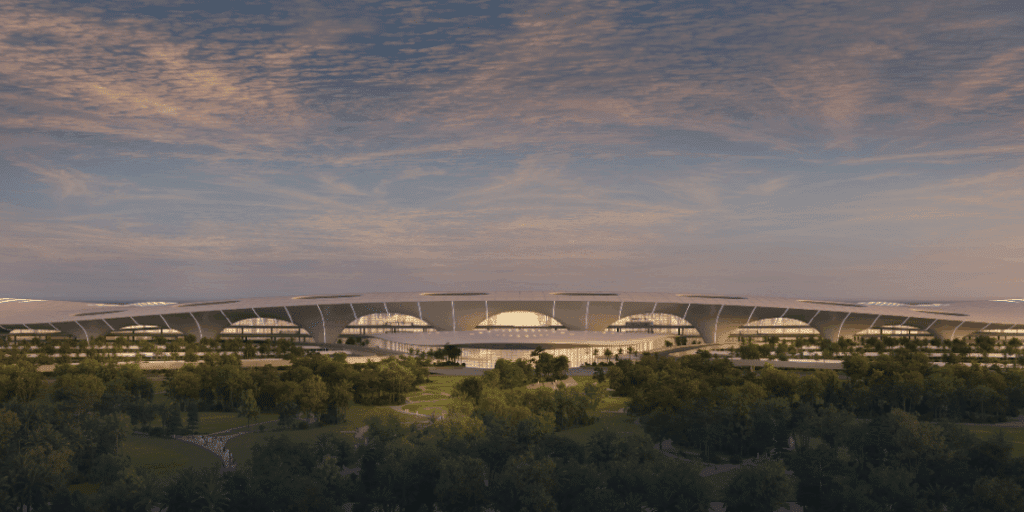
The Dubai Government has confirmed that the first phase of the Al Maktoum International Airport development project is progressing according to schedule, with major advances achieved across key construction packages and preparations underway for the tendering and award of future contracts. The airport remains on track to begin operations in 2032 in line with its long-term master plan.
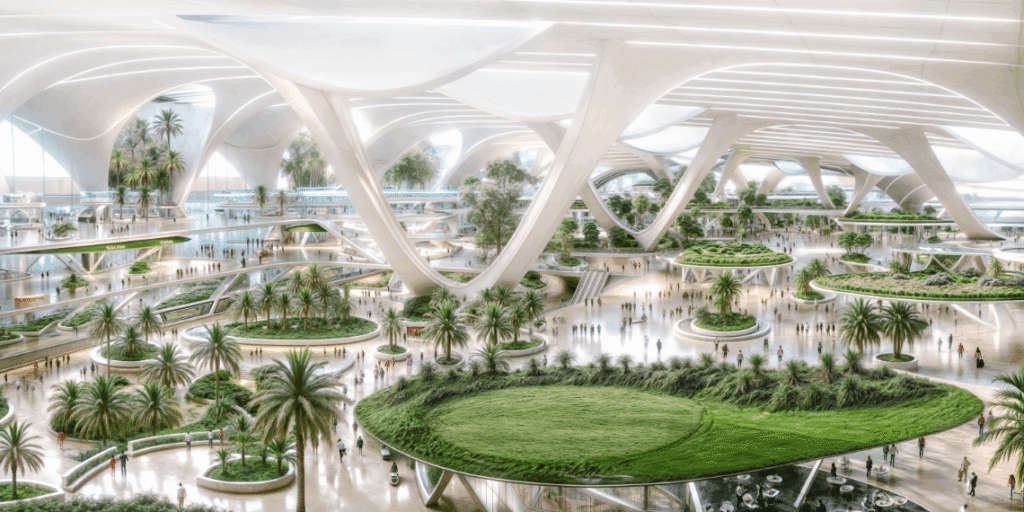
Significant milestones have been completed across enabling works, runway infrastructure, and the initial structural foundations for passenger terminals and gates, highlighting the momentum behind one of Dubai’s most strategic infrastructure projects. Once completed, the airport is expected to play a central role in supporting the emirate’s economic growth and global connectivity.
H.H. Sheikh Hamdan bin Mohammed bin Rashid Al Maktoum, Crown Prince of Dubai, Deputy Prime Minister, Minister of Defence, and Chairman of The Executive Council of Dubai, praised the project team led by H.H. Sheikh Ahmed bin Saeed Al Maktoum, Chairman of Dubai Airports, Dubai Aviation City Corporation, and Dubai Aviation Engineering Projects.
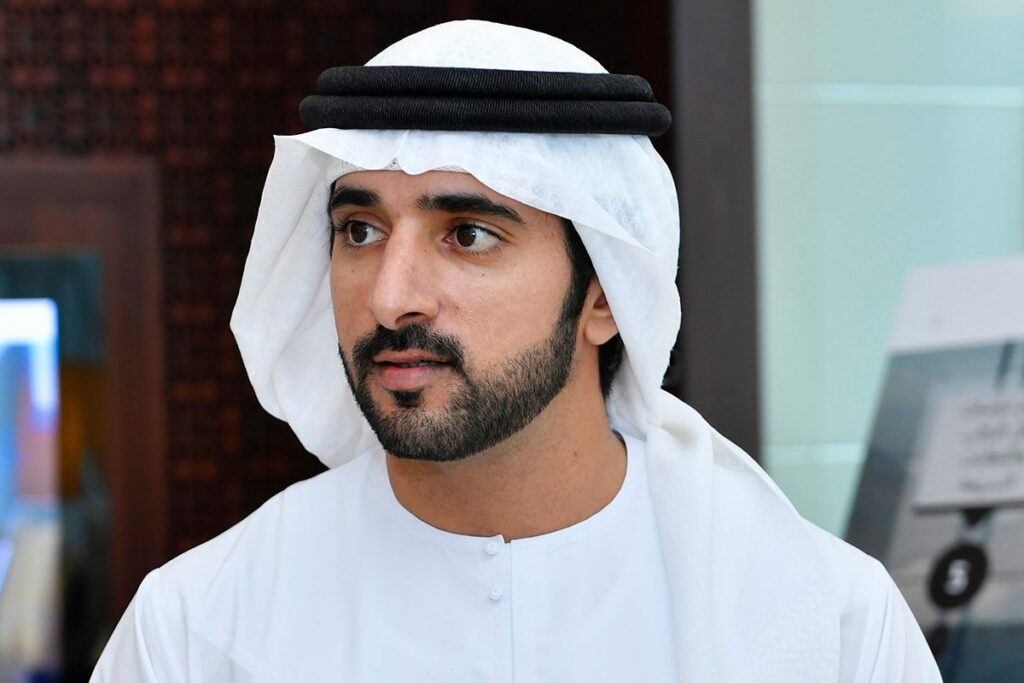
Sheikh Hamdan said the project reflects Dubai’s ambitious vision to build advanced infrastructure that supports sustainable economic growth, strengthens global connectivity, and enhances long-term competitiveness. He described the airport as a strategic investment in Dubai’s future and a key contributor to the goals of the Dubai Economic Agenda, D33, by expanding aviation capacity, improving logistics efficiency, attracting investment, and creating sustainable economic opportunities.
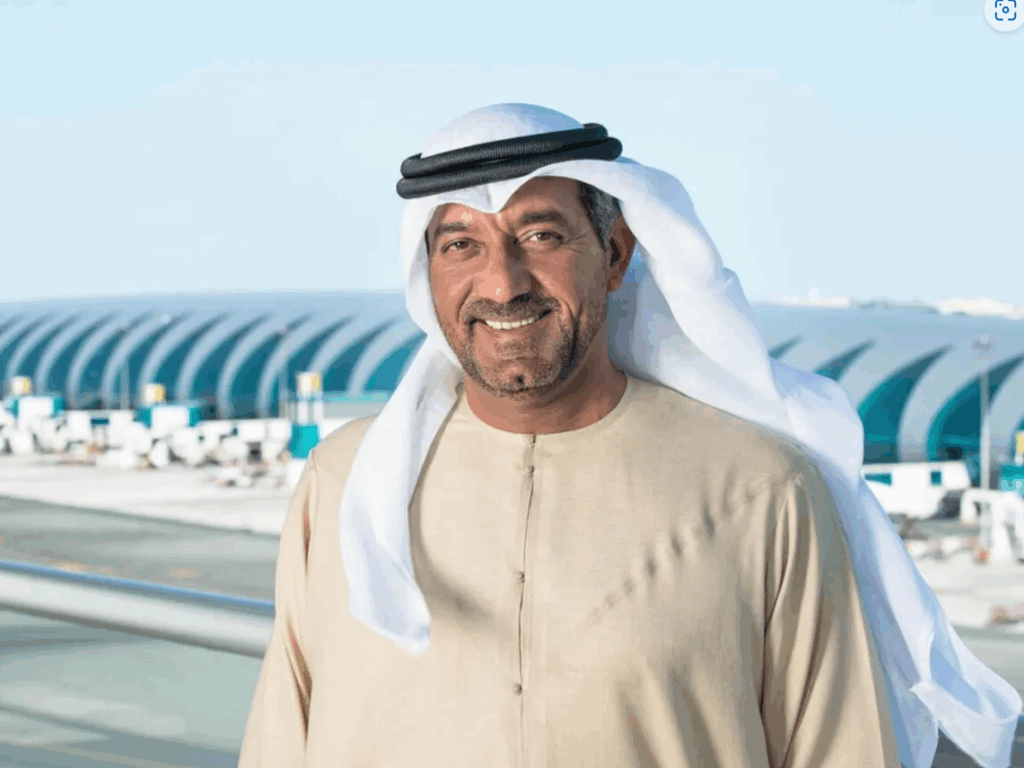
Sheikh Ahmed bin Saeed said the project has entered a large-scale construction phase, reinforcing Dubai’s position as a leading global aviation and logistics hub. He noted that contracts worth AED13 billion are currently under execution, while preparations are underway to award strategic projects valued at more than AED55 billion during the next phase.
“Upon completion, Al Maktoum International Airport will serve as a key pillar in advancing the objectives of the Dubai Economic Agenda, D33, and strengthening Dubai’s position as a leading global hub for trade, tourism, logistics, and international connectivity,” he said.
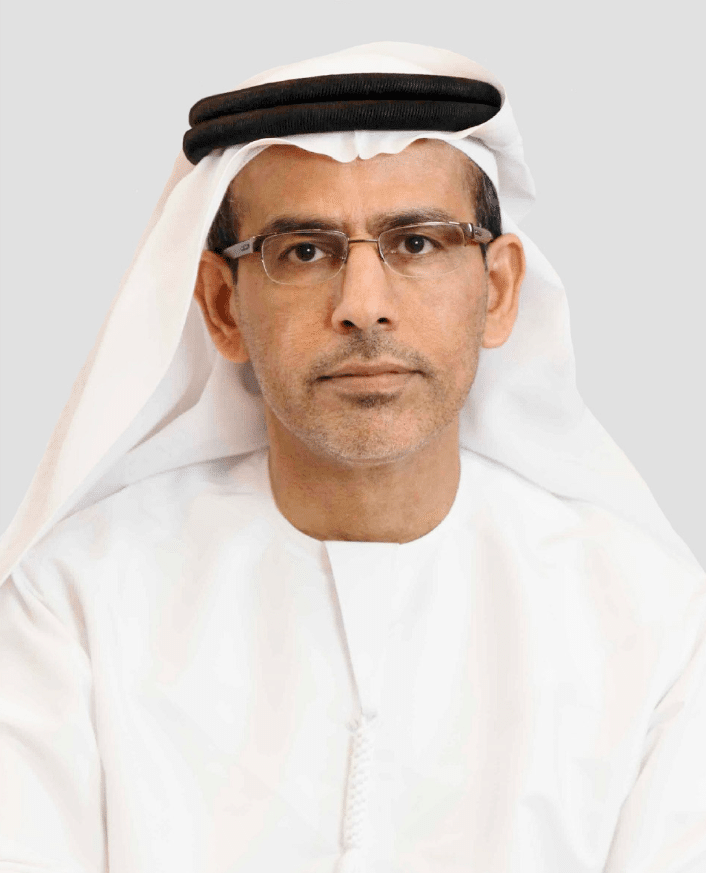
Abdulrahman Saleh Al Saleh, Director-General of Dubai Finance, said the airport reflects Dubai’s long-term vision of strengthening its position as a global centre for economic activity and logistics through world-class infrastructure, while supporting financial sustainability and attracting regional and international investment.
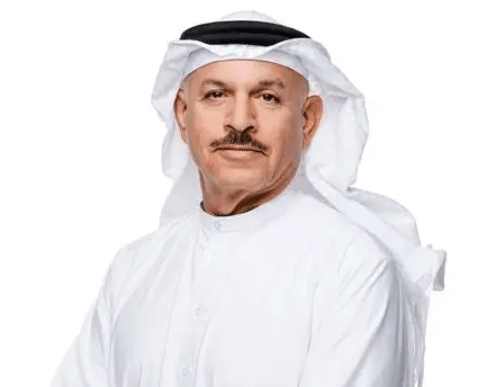
Khalifa Al Zaffin, Executive Chairman of Dubai Aviation City Corporation, described the airport as a transformative project that will redefine the future of travel and logistics through advanced technologies, automation, and integrated transport connectivity. He added that preparations are also underway to ensure a smooth transition of operations from Dubai International Airport while maintaining Dubai’s renowned service standards.

Engineer Suzanne Al Anani, Chief Executive Officer of Dubai Aviation Engineering Projects, said construction is progressing rapidly, with project packages currently under execution exceeding AED13 billion. Works include the installation of more than 17,000 concrete piles, excavation of over 45 million cubic metres, completion of a second runway, and delivery of core infrastructure works involving approximately 4.5 million cubic metres of concrete.
She said more than 10 million work hours have been completed over the past 15 months, while the on-site workforce is expected to increase from around 9,000 currently to approximately 120,000 at peak construction.
Al Anani added that several major contracts worth more than AED55 billion are expected to be awarded by the end of the year. These include substructure and superstructure works for the Western Passenger Terminal, aircraft concourses, the Automated People Mover system, baggage handling facilities, airfield infrastructure, power generation, district cooling plants, and building façades and roofing packages.
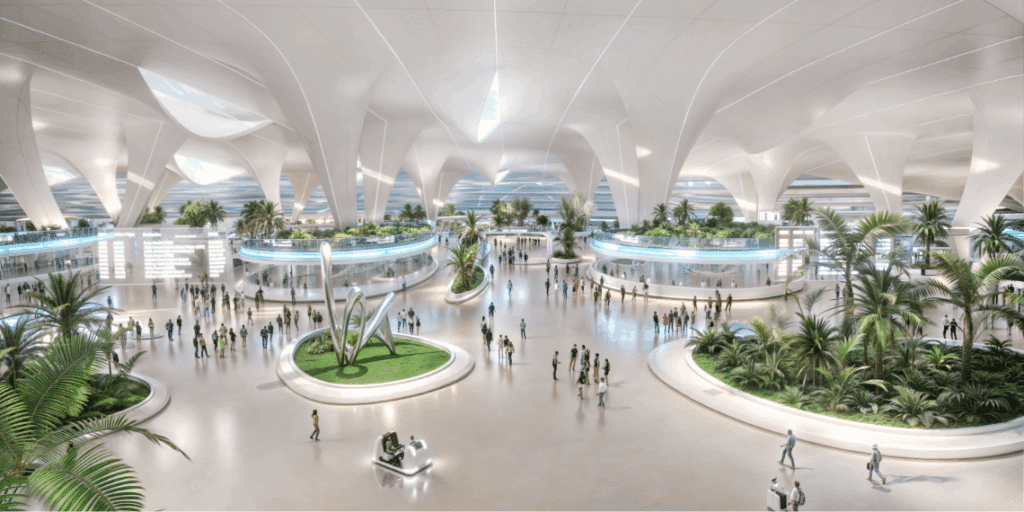
Upon completion of its final phase, Al Maktoum International Airport is expected to become the world’s largest aviation hub, with annual capacity exceeding 260 million passengers and 12 million tonnes of cargo. The airport will feature five independent parallel runways, two passenger terminals, seven concourses, more than 430 aircraft stands, and integrated links between air, rail, and road transport networks.
Dubai Aviation Engineering Projects is also advancing a broader aviation infrastructure programme covering Dubai International Airport and Dubai World Central. The programme includes terminal expansions, airfield upgrades, baggage handling improvements, and transport infrastructure enhancements, supported by a total budget of AED16 billion, with contracts worth more than AED7.5 billion already awarded.