This feature first appears in the July Edition 2026 of Business Today Middle East
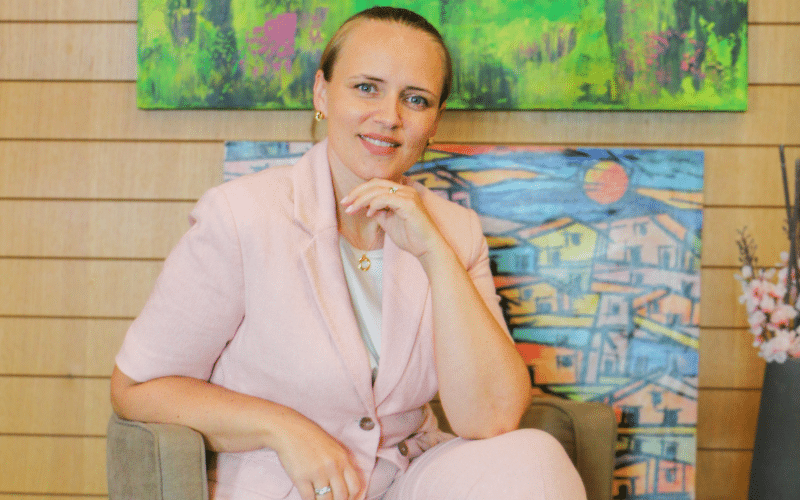
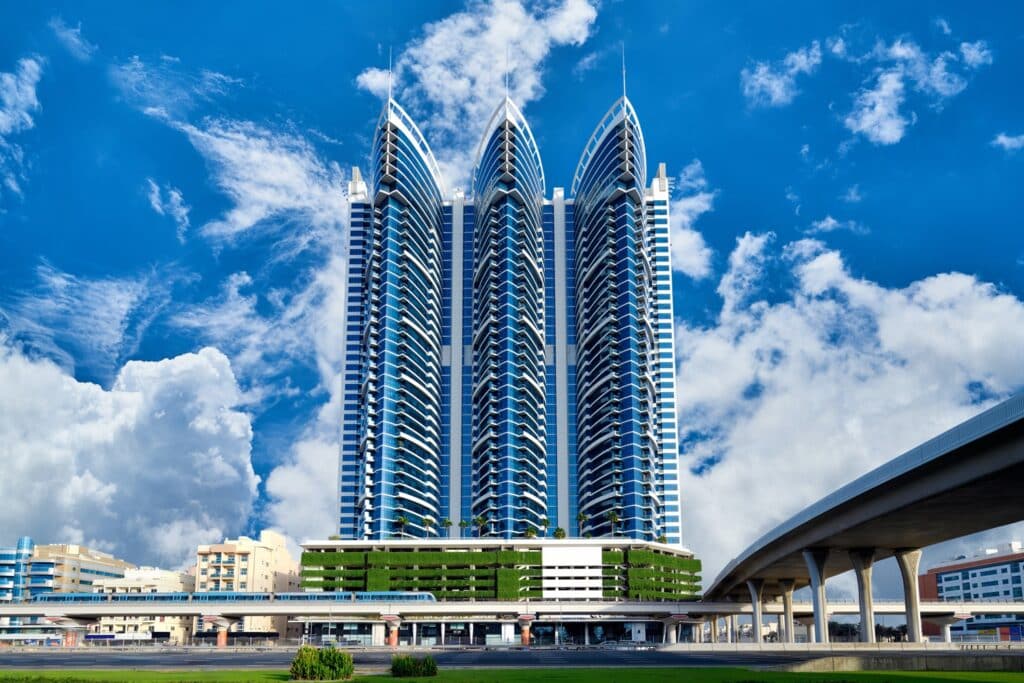
There is a quiet shift happening in the way guests experience hotels, and Julia Schamne, Cluster General Manager of Novotel and Adagio Premium Dubai Al Barsha, has a front-row seat to it.
“What has changed most is that guests are no longer impressed by complexity,” she says. “They are impressed by simplicity done exceptionally well.”
It is a deceptively straightforward observation, but one that carries significant operational weight. In one of the world’s most competitive hospitality markets, where properties compete on technology, design and experience at every price point, Schamne’s philosophy runs counter to the instinct to add more. Today’s traveller, she argues, is not necessarily searching for the most technologically advanced hotel. They are seeking a seamless, intuitive and problem-free experience.
There is also a clear shift toward authenticity and meaning. “Guests want to feel something,” she says. “They want design that resonates, spaces that inspire, and experiences that connect.” Aesthetic value, once considered a differentiator, is now simply expected. Wellness, too, has evolved from being an add-on to becoming central to the stay, with a more holistic focus on balance, longevity and personal wellbeing.
For Schamne, a great hotel experience in 2026 is about the flawless execution of meaningful indulgences — engineering a stay where the guest feels valued, not processed. At Novotel and Adagio Premium Dubai Al Barsha, that translates into what she describes as an end-to-end mindset. “We look at the entire guest journey from pre-arrival to post-departure and leverage every CRM touchpoint available to personalise that journey. It is not just about recognition; it is about relevance.”
Operationally, this means strong preparation, consistent execution and a culture of innovation. Every interaction, she says, should feel considered and intentional.
Authenticity, in Schamne’s view, begins with people. “Selecting the right teams is where it starts — people who naturally care and understand the value of detail.” From there, it is about empowerment. She encourages her teams to create what she calls an “emotional spike” — those small but powerful interactions that guests genuinely remember long after checkout. “By combining human intuition with the data we have available, and real-time access to the guest, we are able to shape experiences that feel personal, relevant and emotionally engaging rather than designed or scripted.”
Running two distinct hospitality concepts under one roof demands a particular kind of operational discipline. Differentiation, in Schamne’s view, is never about one big idea. “It is about consistently doing many small things exceptionally well. In a market like Dubai, guests notice the details. It is about precision in execution, attention to the basics, and then elevating the experience with one or two standout peak moments that leave a lasting impression.”
Staying relevant in a market that moves as quickly as Dubai also requires a willingness to evolve. Schamne speaks about the importance of continuously learning, unlearning and relearning, and of surrounding yourself with passionate, curious people who are willing to do the same.
That philosophy extends to how she thinks about culture. “I believe in hiring people who are often more knowledgeable than me in their respective fields and then giving them the space to excel,” she says. “Empowerment is critical. My role as a General Manager is to remove obstacles, not create them — to clear the path so the team can perform at their best.” When teams feel trusted and supported, she adds, they naturally deliver more personalised, thoughtful and exceptional experiences.
Social media, rather than being a source of pressure, has become a tool for innovation. Schamne sees it as an opportunity to tap into global trends and reinterpret them for the local market. “It allows us to bring global experiences into our hotels and create moments that are not only memorable in person but also shareable.” At the same time, she is clear that the experience must deliver substance beyond aesthetic appeal. “It has to be meaningful beyond the camera.”
Looking ahead, Schamne sees the biggest opportunity in deepening personalisation and strengthening the property’s position as a lifestyle destination. This includes further investment in technology and data to better understand guests and tailor experiences in a more intuitive way. “The goal is to anticipate needs, not just respond to them.”
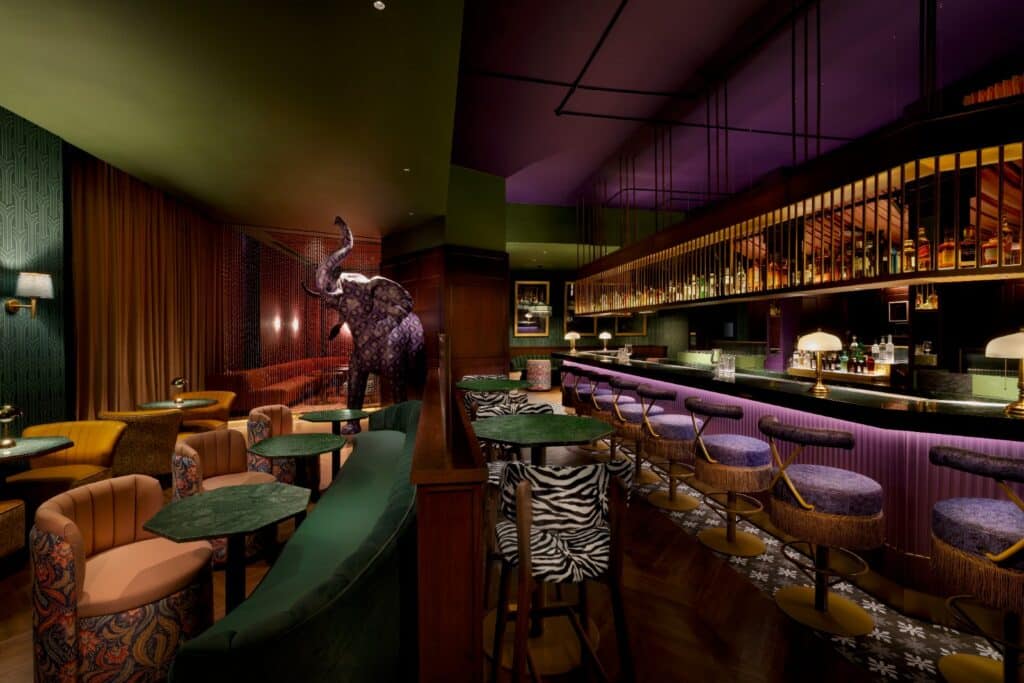
Food and beverage also represents significant potential. By refining concepts and elevating the experience, the aim is to position the property as a destination for the local community, not just hotel guests.
“Ultimately, the focus is on creating a property that feels dynamic, relevant, and deeply connected to both our guests and the neighbourhood,” she says.
In a market that never stops competing, that might be the most ambitious goal of all.