By February 2026, the Gulf Cooperation Council (GCC) has moved past the simple narrative of “oil versus non-oil.” The region is now pioneering a model of “Multi-Alignment.” While global headlines often suggest a total decoupling from the West, the data tells a story of pragmatism: the GCC is maintaining its deep Western financial and security foundations while simultaneously plugging into the high-growth industrial engines of the East.
1. The 70% Milestone: Diversification, Not Desertion
The headline achievement of 2026 is the non-oil sector’s contribution to GDP, which has officially surpassed 70% in the UAE and Bahrain.
- A New Base: This diversification isn’t about replacing Western trade; it’s about expanding the total pie. The UAE has reached this threshold by becoming the world’s “connector,” linking Western capital with Asian manufacturing and African resources.
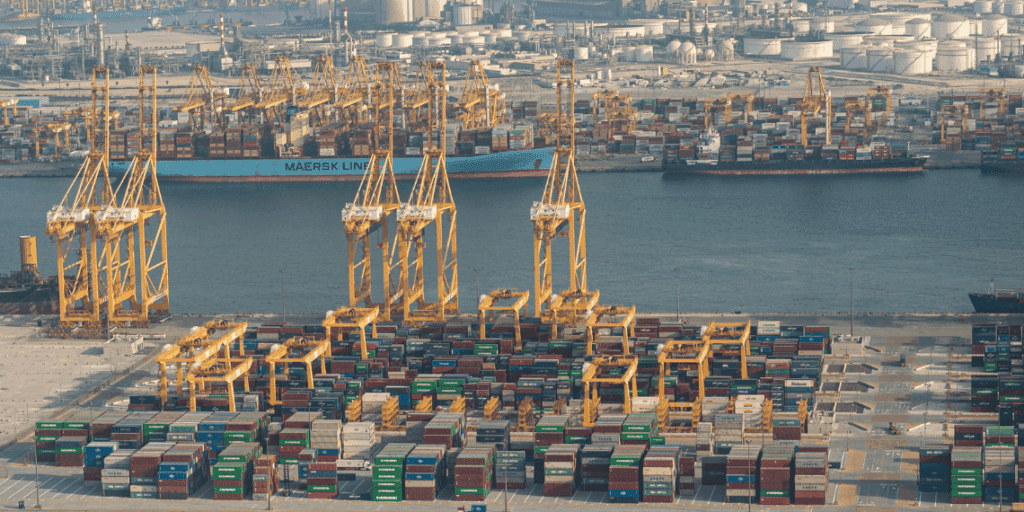
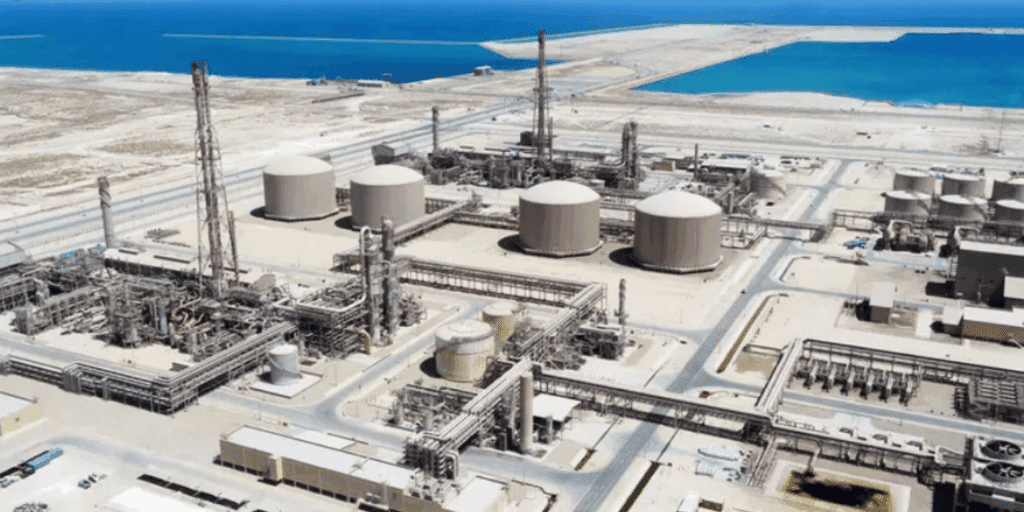
- Saudi Arabia’s Industrial Engine: Saudi Arabia’s non-oil GDP growth—projected at 4.5% to 5.0% for 2026—is anchored by the “Sovereign Multiplier.” This means the state is using oil revenues to build domestic industries in AI, mining, and tourism that are designed to be competitive in any global market, regardless of the currency used for settlement.
2. Mastering the “Middle Ground”
Rather than “decoupling” from a declining West, the GCC is positioning itself as the indispensable bridge between the G7 and the BRICS+ bloc.
- The Dollar Peg as an Anchor: The US dollar peg remains a vital tool for the GCC in 2026. It provides a “stability floor” that protects local economies from the volatility of emerging market currencies, even as those same economies experiment with settling oil and gas contracts in Yuan or Rupees for their Asian partners.
- Western Security & Eastern Infrastructure: The “Great Realignment” is a dual-track strategy. The GCC continues to value Western defense and financial regulatory standards, while simultaneously adopting East Asian industrial models to accelerate its giga-projects.
3. The “Sovereign Multiplier” in Tech and AI
The GCC’s 2026 economic resilience is heavily tied to its push for Technological Sovereignty.
- Digital Bridges: Abu Dhabi and Riyadh are no longer content to just import Western software. By developing indigenous AI models (like Falcon and Jais) and hosting them in massive, locally-cooled data centers, the region is ensuring its digital future is not dependent on any single geopolitical pole.
- In-Country Value (ICV): A key trend this year is the insistence that global firms—whether from London or Shanghai—must localize their supply chains. This shift from “buying” to “producing” is what has truly decoupled GCC growth from Western consumer sentiment.
4. The 2026 Outlook: Pragmatic Resilience
While Western economies manage high debt and “stagflation” risks, the GCC enters 2026 with a projected regional growth of 4.4%. This growth is underpinned by low inflation (near 2%) and a “youth bulge” that is rapidly entering the private sector. The region has effectively transformed from a “bank for the world” into a “builder for the world,” leveraging its unique position at the heart of a multipolar global economy.
Economic Performance: 2026 Non-Oil Indicators
| Market | 2026 Growth (Projected) | Non-Oil GDP Share | Strategic Focus |
| UAE | 5.2% – 5.6% | ~73% | Global Logistics & Digital Assets |
| Saudi Arabia | 4.3% – 4.6% | ~55-60% | Mining & Industrial Localization |
| Qatar | 5.1% | ~65% | Energy Expansion & Knowledge Economy |
| Bahrain | 3.5% | ~73% | Fintech & Regional Tourism |