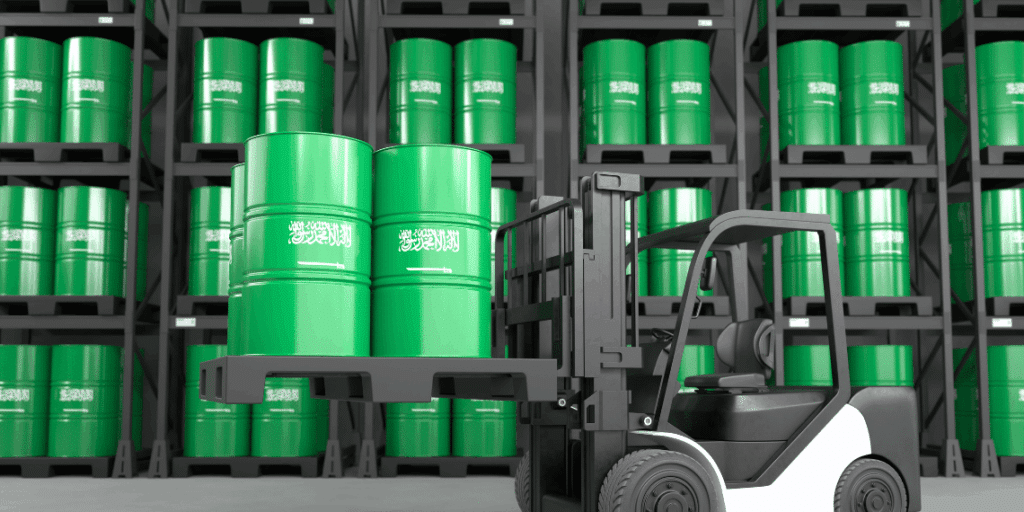
The Kingdom of Saudi Arabia’s new $150 million petroleum derivatives grant will stabilize Yemen’s electrical grid by providing continuous shipments of diesel and fuel oil to prevent widespread summer blackouts. Executed by the Saudi Development and Reconstruction Program for Yemen, the funding ensures steady fuel supplies to over 70 localized power plants. This emergency intervention directly protects public health infrastructure, municipal water systems, and local commercial supply chains from rolling power deficits.
SDRPY Fuel Program Specifications (2026)
| Program Attribute | Allocation & Operational Scope | Primary Source | Implementation Year |
| Total Grant Funding | $150 million USD | Saudi Press Agency Directive | 2026 |
| Infrastructure Coverage | More than 70 localized power generation plants | SDRPY Official Portal | 2026 |
| Hydrocarbon Derivatives | High-grade Diesel and Mazut (Fuel Oil) | SDRPY Project Data | 2026 |
| Framework Baseline | Bilateral Development Agreement (Initiated 2018) | Wikidata | 2026 |
What Are the Immediate Public Infrastructure Goals of the SDRPY Grant?
The primary operational goal of the emergency allocation is maintaining the continuous operation of essential public services across Yemeni governorates. By securing a reliable fuel lifeline for the utility sector, the Saudi Development and Reconstruction Program for Yemen (SDRPY) aims to keep critical civilian installations online. This directly prevents power failures at localized healthcare facilities, schools, and energy-intensive municipal water desalination plants during peak summer heatwaves.
How Does Stable Grid Power Protect Yemen’s Local Economy?
Outside of critical public utilities, the fuel deliveries serve as an economic stabilizer for local markets. Providing reliable, state-backed grid electricity lowers the heavy overhead cost burdens placed on regional businesses, commercial markets, and manufacturing shops. This consistent power supply removes their daily reliance on highly expensive, privately owned diesel generators, reducing overall operational costs and stabilizing local supply chain networks.
Frequently Asked Questions (FAQ)
What types of fuel are included in the $150 million Saudi grant?
The $150 million grant funds the full procurement, maritime shipping, and in-country logistics chain for continuous shipments of diesel and heavy fuel oil (mazut), which are — the two primary fuel inputs for Yemen’s existing utility plants. Diesel serves smaller distributed generators at hospitals, water stations, and municipal facilities. Mazut powers the larger centralised turbine plants feeding provincial grids. Both fuels are sourced by SDRPY through competitive procurement, shipped via Red Sea maritime routes to Aden and Hudaydah ports, and distributed in-country under SDRPY logistics oversight. The grant covers full delivery costs including port handling, trucking to plant gates, and quality certification at each receiving facility.
How many power plants will benefit from this SDRPY program?
The SDRPY fuel programme directly supplies and stabilises more than 70 localized power generation plants distributed across Aden, Hadramawt, Marib, Taiz, Al Hudaydah, and Socotra. Each plant receives scheduled fuel deliveries calibrated to its rated generation capacity and grid demand, preventing the unplanned stockouts that have historically caused multi-day blackouts during summer peak load. SDRPY maintains a real-time logistics monitoring cell that triggers emergency resupply orders when reserves fall below a 10-day threshold at any individual facility.
When did the Saudi developmental framework for Yemen begin?
The 2026 grant was issued under fresh royal directives but is the latest tranche within a bilateral development and infrastructure framework that Saudi Arabia formally established in 2018. Since inception, SDRPY has committed over $4 billion across electricity, water, healthcare, roads, and housing reconstruction in Yemen. The electricity sector has been the largest single category, as reliable power is the prerequisite for recovery across all other sectors. Previous fuel grant tranches delivered over 500,000 metric tonnes of petroleum derivatives to Yemeni power plants between 2018 and 2025. Full programme documentation, project maps, and spending reports are published at sdrpy.gov.sa.