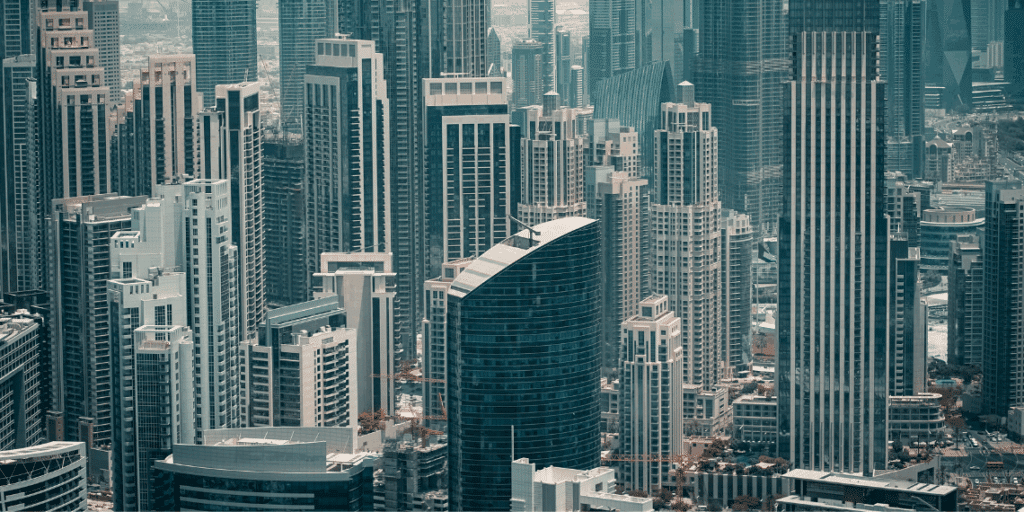
The UAE real estate sector continued to reinforce its position as one of the world’s most attractive investment destinations during the first half of 2026, supported by strong economic fundamentals, investor confidence, and sustained demand across the property market.
The sector’s performance was underpinned by the resilience of the national economy, investor-friendly government policies, and continued inflows of foreign capital. Industry experts expect this positive momentum to extend into the second half of the year, supported by ongoing economic expansion and a healthy investment environment.
Market indicators continue to place the UAE among the world’s leading real estate investment hubs. According to industry leaders and experts, the market has entered a more mature and sustainable phase following years of rapid expansion, with growth now supported by solid economic fundamentals and long-term demand.
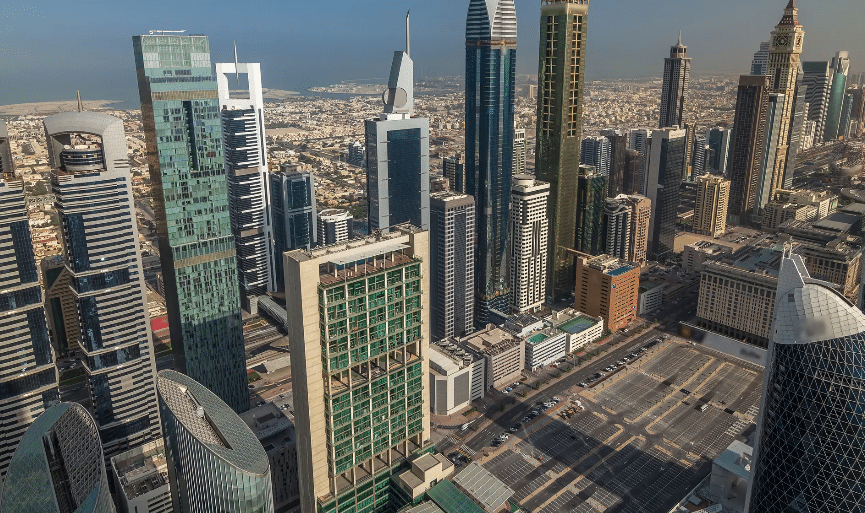
Global property consultancy CBRE highlighted the UAE’s strong macroeconomic position in its April report, citing robust financial reserves and a stable sovereign credit rating while forecasting a significant acceleration in GDP growth by 2027.
Similarly, Knight Frank reported that Dubai has further strengthened its standing as a global destination for wealth migration and real estate investment. The UAE also continues to rank among the fastest-growing countries worldwide in terms of ultra-high-net-worth individuals.
The market recorded strong transactional activity during the first half of the year. Analysis by the ADXinteract platform showed that the combined value of apartment and villa sales surged 173.9% year-on-year to exceed AED 84.4 billion, while transaction volumes rose 103% to 16,585 deals.
Dubai continued to lead market activity. According to W Capital Real Estate Broker, property sales surpassed AED 286 billion during the first six months of 2026, representing the second-highest half-year sales value on record after the first half of 2025, when transactions reached AED 326.6 billion, based on Dubai Land Department data.
The brokerage also reported that the value of newly announced real estate projects launched since the beginning of 2026 exceeded AED 275 billion, marking the largest half-year pipeline of new project launches in Dubai’s history and highlighting sustained development momentum.
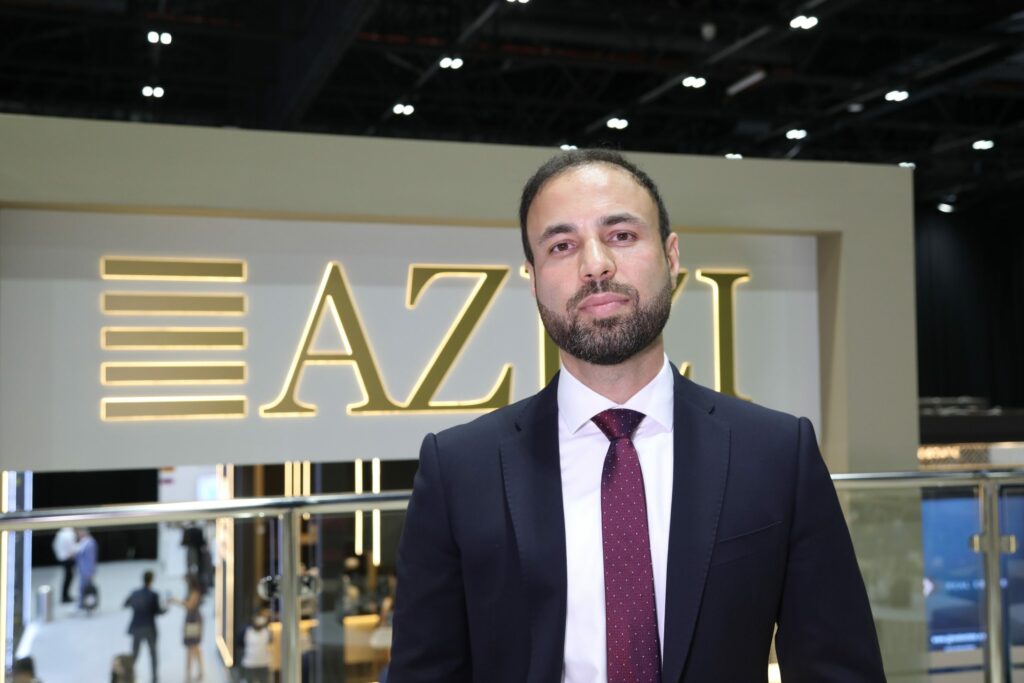
Farhad Azizi, Group CEO of Azizi Developments, said the real estate sector continues to play a central role in supporting the UAE economy. He attributed this strength to genuine end-user demand, sustained foreign investment, and a growing share of self-financed buyers, all of which point to a more mature and resilient market.
He noted that the UAE’s stable economic environment, flexible regulatory framework, and long-term development strategy have strengthened its appeal to international investors. Looking ahead, he expects the market to deliver steady and sustainable growth during the remainder of the year, with competition increasingly centred on projects that offer superior planning, efficient execution, strategic locations, and lasting investment value.
Azizi added that continued population growth, expanding economic activity, and resilient residential demand are expected to support the market’s outlook. He also highlighted long-term residency initiatives, the implementation of Dubai’s D33 Economic Agenda, ongoing infrastructure investments—particularly in Dubai South and around Al Maktoum International Airport—and anticipated improvements in mortgage financing as key drivers of future growth.
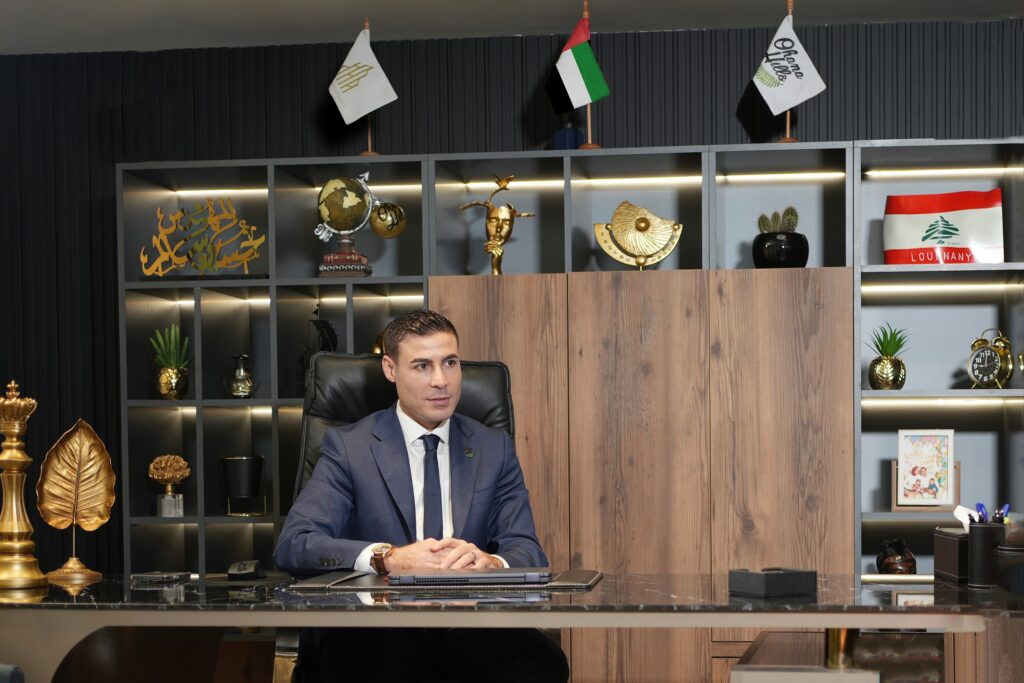
Hussein Salem, CEO of Ohana Development, said the UAE property market has entered a more mature stage, with long-term demand replacing speculative activity as the primary growth driver. He noted that both Abu Dhabi and Dubai continue to record record-breaking transaction levels, reflecting sustained investor confidence and the market’s ability to attract both local and international buyers.
Salem expects market activity to remain healthy during the second half of the year, supported by continued demand for master-planned residential communities, branded residences, and waterfront developments, alongside the gradual introduction of new supply that will help maintain a balanced market.
He added that structural factors—including population growth, foreign investment, long-term residency programmes, infrastructure development, economic diversification, and expanding mortgage availability—continue to provide a solid foundation for sustainable market growth while favouring high-quality, well-planned developments.
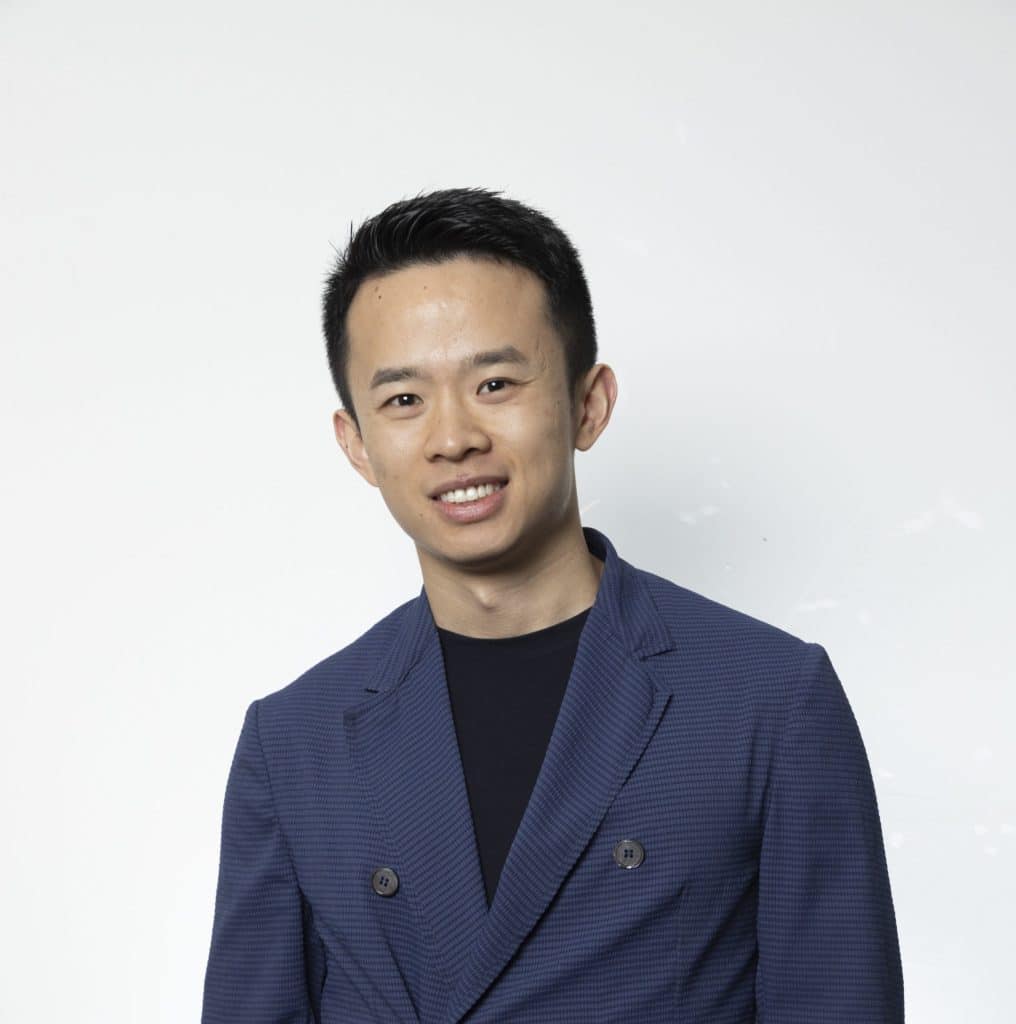
Thomas Wan, Founder and CEO of Refine, said the UAE real estate market continues to demonstrate exceptional resilience. Although demand remains strong, buyers are becoming increasingly selective, placing greater emphasis on project quality, location, developer credibility, and the overall living experience, reflecting the market’s growing sophistication.
He noted that future success for developers will depend on their ability to deliver projects that meet evolving buyer expectations, implement effective pricing strategies, and remain competitive as additional supply enters the market.

Syed Azeem Mehroz, CEO and Chief Financial Officer of AlPago Group, said the UAE property sector has maintained its strong performance throughout 2026, reinforcing its reputation as one of the world’s most attractive real estate markets.
He attributed this performance to sustained demand, the country’s long-term economic vision, continued diversification, the growing presence of high-net-worth individuals, progressive residency and investment policies, and ongoing infrastructure development. Together, these factors have strengthened the UAE’s appeal as a preferred destination for long-term investment, business, and residency.
Mahrooz expects market activity to remain robust through the remainder of the year, with continued demand for premium residential communities, branded developments, waterfront projects, and high-quality commercial assets, as investors increasingly focus on long-term value, quality of life, and sustainable investment opportunities.