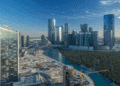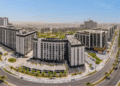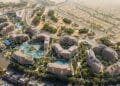
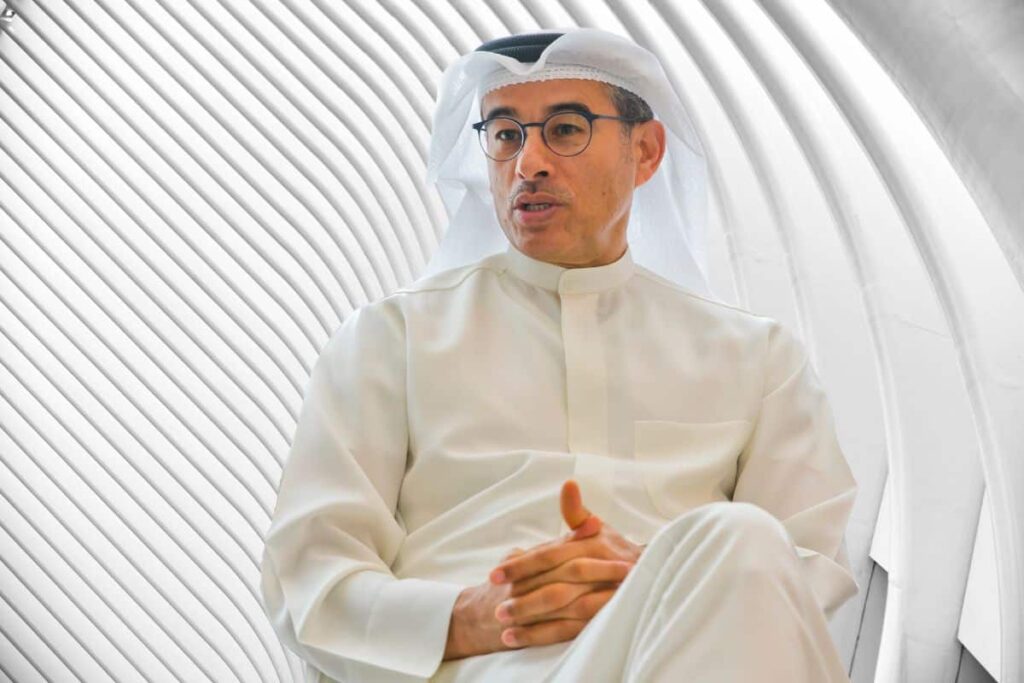
Dubai’s real estate story has always been written in bold numbers, ambitious skylines, and global-first projects. Now, Emaar is preparing to add a new chapter with what it describes as its most ambitious development to date: an AED 200 billion project, equivalent to around USD 55 billion, planned in the heart of Dubai.
Announced by Emaar founder Mohamed Alabbar through Instagram, the forthcoming masterplan is expected to span more than 4.5 million square metres and create a self-sustaining urban district for around 150,000 residents. The development will include residential towers, villas and mansions, commercial offices, retail destinations, luxury hospitality, and civic and cultural amenities.
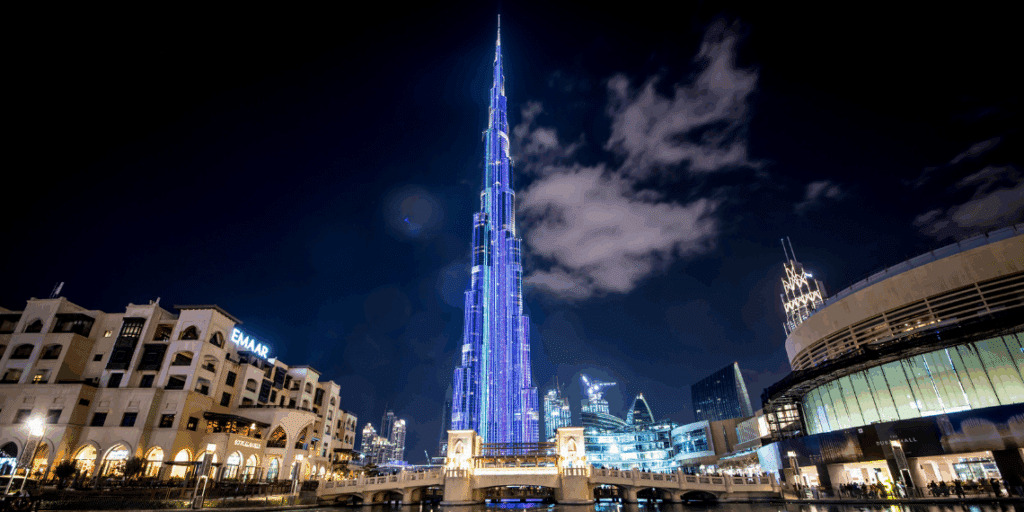
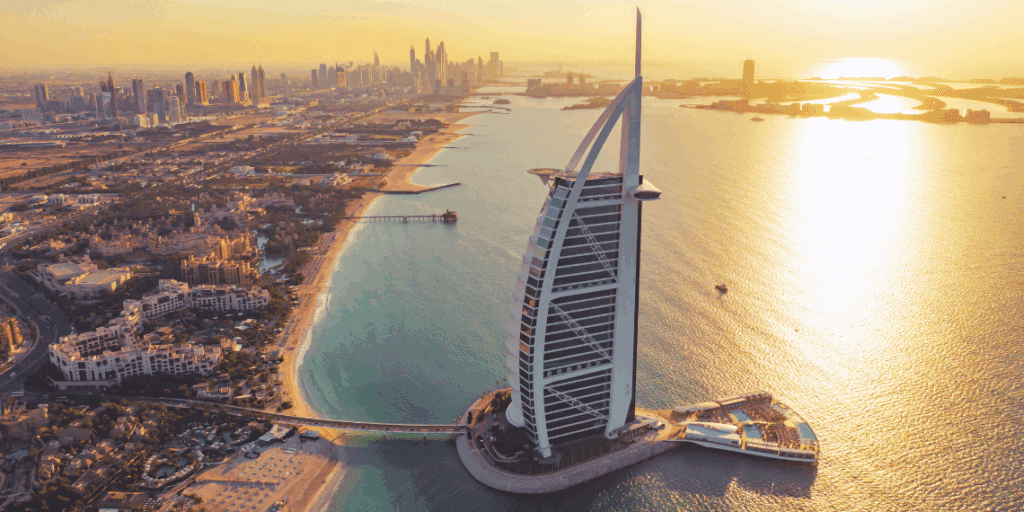
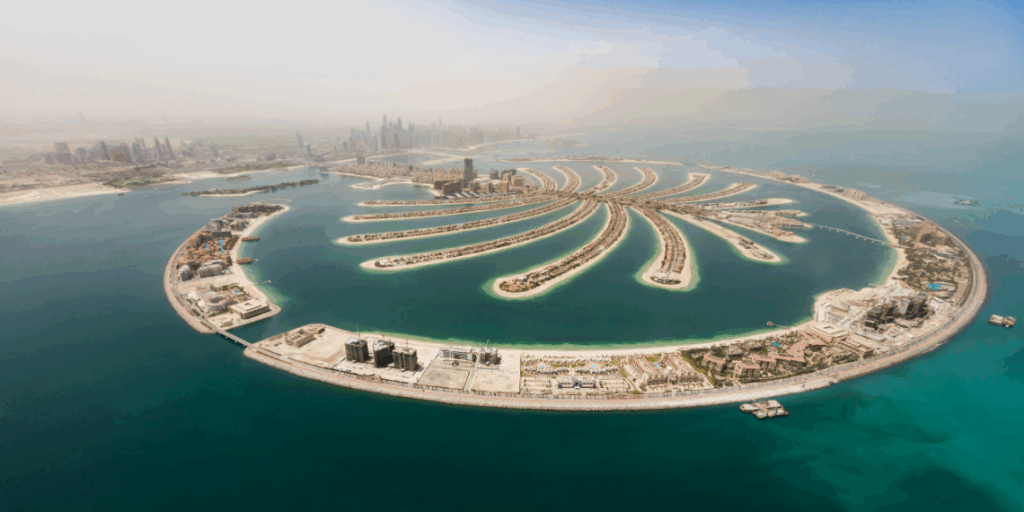
What makes the project especially significant is not only its scale, but its positioning. Emaar says the development will offer views that bring together three of Dubai’s most recognisable icons: Burj Khalifa, Burj Al Arab, and Palm Jumeirah. In a city where location and symbolism are central to value creation, this framing places the project firmly within Dubai’s premium real estate narrative.
For Emaar, the announcement represents more than another large-scale property launch. It signals a renewed push to define the next generation of urban living in Dubai. The developer, already known globally for shaping Downtown Dubai and delivering landmarks such as Burj Khalifa and The Dubai Mall, appears to be moving once again toward a master-planned destination that blends lifestyle, investment, hospitality, and civic identity.
The timing is also important. Dubai’s real estate market has continued to attract strong investor demand, supported by population growth, global wealth migration, tourism, and the emirate’s long-term positioning as a business and lifestyle hub. Reuters reported that Dubai property transactions reached AED 761 billion in 2024, underlining the sector’s growing weight in the city’s economy.
The project also reflects a broader shift in the market. Buyers are no longer looking only for luxury apartments or branded residences; they are increasingly seeking integrated communities with workspaces, retail, hospitality, leisure, wellness, and cultural infrastructure. Emaar’s new masterplan appears designed to answer that demand at a city-scale level.
However, the size of the announcement will also place the project under close scrutiny. A development worth AED 200 billion requires careful phasing, infrastructure alignment, financing discipline, and sustained market absorption. Reuters noted that no official stock exchange filing had been made at the time of the announcement.
For Dubai, the development is another statement of confidence. The city has built its global identity through projects that many once considered impossible. If delivered as envisioned, Emaar’s new masterplan could become one of the defining real estate stories of the decade.
For now, the message is clear: Dubai’s appetite for ambition remains undimmed, and Emaar is preparing to compete not only for buyers, investors, and residents, but for a place in the next chapter of the UAE’s urban legacy.