Riyadh Air, Saudi Arabia’s newly established national airline, has formally entered the international air freight sector with the introduction of its dedicated cargo service, Riyadh Cargo. The launch activates cargo operations using the belly-hold capacity of the airline’s aircraft, enabling the efficient and dependable movement of goods across global markets.
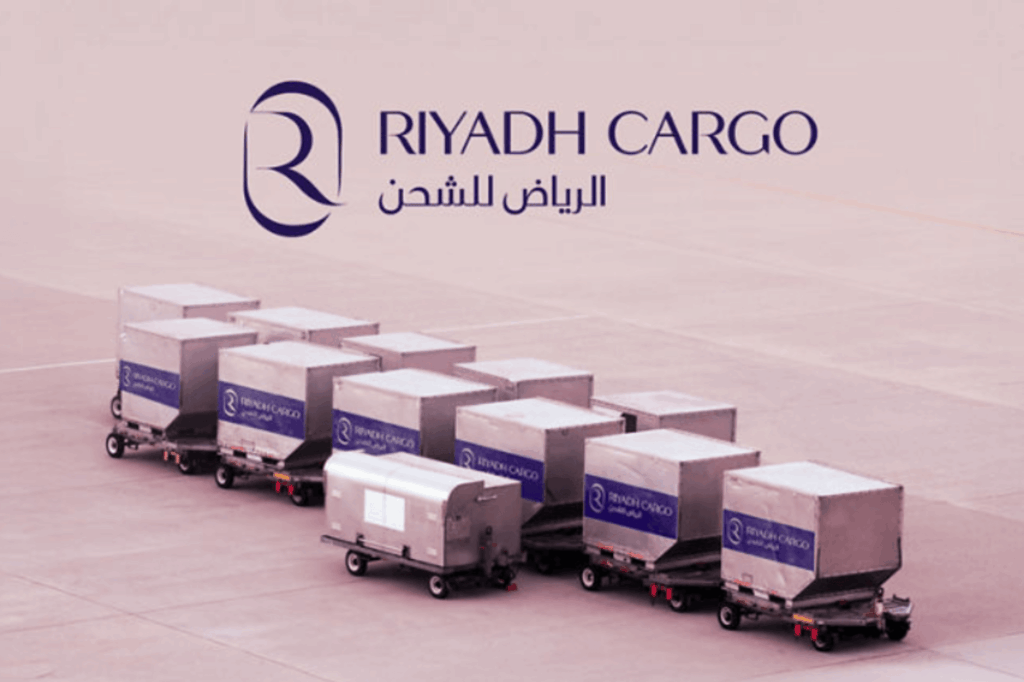
The new service draws on a widebody fleet of more than 120 aircraft currently on order, forming the foundation of a carefully structured, phased strategy to develop a fully integrated and scalable cargo operation centered at Riyadh, the airline’s main hub. The rollout complements Riyadh Air’s broader network expansion and operational buildup, which began with trial flights under its “Pathway to Perfect” program, including services linking King Khalid International Airport in Riyadh with London Heathrow.
Riyadh Cargo has already shown strong early performance on the Riyadh–London route, transporting significant volumes of varied commodities such as textiles, fresh flowers, seafood, tea, and coffee. These early results highlight the service’s ability to manage time-critical consignments, perishable products, and high-value freight with consistent reliability.
Pravin Singh, Riyadh Air’s global head of cargo, said the cargo division was created with a strong emphasis on operational rigor, dependable service, and sustainable growth. He noted that launching operations in a live environment allows the team to test processes, gain insights, and continuously refine performance while delivering immediate value to customers. Singh described Riyadh Cargo as a fundamental building block in establishing a broader cargo ecosystem that will expand alongside the airline’s growing network and support Saudi Arabia’s wider logistics objectives.
Digital innovation plays a central role in Riyadh Cargo’s operating model. The division has implemented advanced systems to centrally manage air waybills and improve data transparency, helping speed up decision-making, enhance efficiency, and maintain consistent service quality as operations scale. As part of this approach, Riyadh Cargo partnered with CHAMPS to implement the Cargospot neo platform, which supports cargo management and terminal operations by offering greater operational oversight, improved data visibility, and faster response times as shipment volumes and network complexity increase.
Operational resilience has also been reinforced through investments in unit load devices developed with Unilode. These ULDs feature advanced tracking technology that enables real-time monitoring of shipments and precise inventory control, helping ensure reliable and sustainable cargo flows even during logistical disruptions across the global network.
Ground handling and cargo terminal operations are managed in collaboration with SATS SA at Saudi Arabia’s three primary airports: King Khalid International Airport in Riyadh, King Abdulaziz International Airport in Jeddah, and King Fahd International Airport in Dammam. Each location is supported by modern infrastructure and dedicated handling areas, allowing continuous oversight and seamless connectivity throughout the logistics chain.
Positioned as a major driver of future growth, Riyadh Cargo supports the Kingdom’s ambition to establish itself as a leading global aviation and logistics hub. With a total of 182 aircraft on order and plans for Riyadh Air to serve more than 100 destinations by 2030, the airline is expected to generate approximately US$20 billion in non-oil GDP and create over 200,000 jobs worldwide.