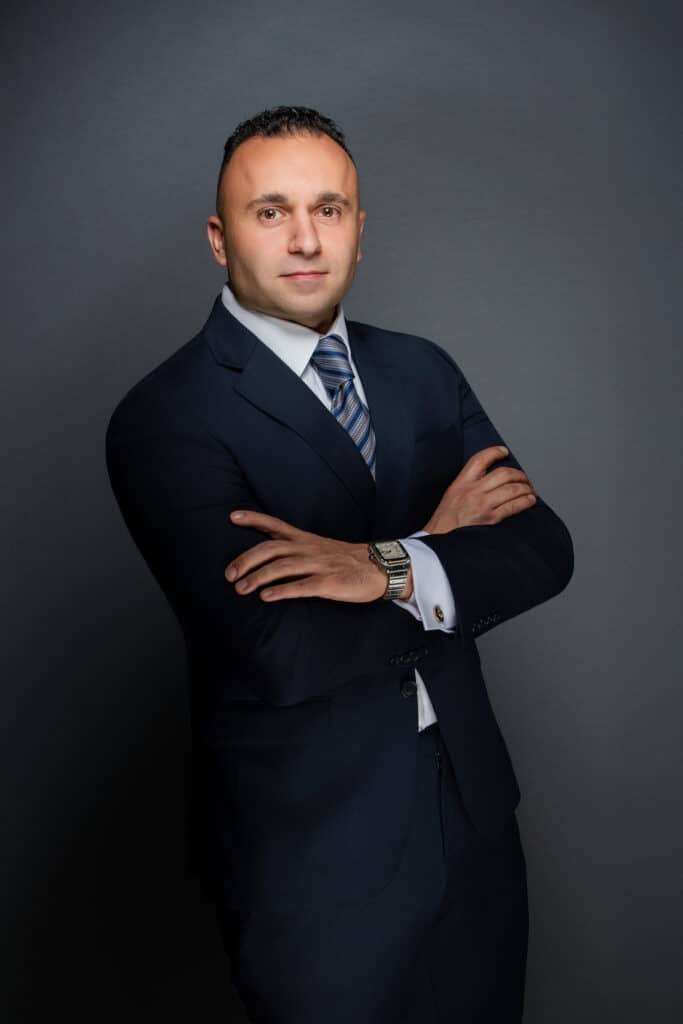
The BurjX co-founder on why the region has a narrow window to lead global regulated finance — and why he is building the infrastructure it will run on.
You went from a career in traditional banking to co-founding one of Canada’s largest crypto exchanges, and now building a regulated digital asset platform in the Middle East. Looking back, what was the moment you knew the future of finance was going to be fundamentally different, and that you wanted to be part of building it?
It was 2017. My co-founder at the time, Bilal, introduced me to Bitcoin while I was still working in traditional banking. I’d spent years inside those rails, so I knew exactly how broken cross-border money was. Days to settle, intermediaries on every leg, and no transparency for the customer paying for it. The moment I saw what blockchain could do, I was certain this was the future of finance. I left my banking career and went full speed into launching NDAX. It was a serious bet at the time, and it paid off. NDAX is now Canada’s leading exchange. When I moved to the Middle East, the same conviction applied, but the picture here was different: the UAE was already leading globally on digital asset regulation, but the category was missing a true regional champion. That’s what we’re building with BurjX.
BurjX is ADGM-regulated, which sets it apart in a space that has not always had the best relationship with regulation. How important is that regulatory foundation to what you are building, and what does it signal to the market about where digital assets are heading in this region?
Regulation is the foundation everything else stands on. The platforms built to last in this industry are the ones that put regulation first and anchor themselves with the world’s leading regulators. We chose to be licensed by the FSRA in ADGM because they’re the leading financial and digital asset regulator in the world today. They genuinely understand digital assets and built the framework for this asset class. For an institution looking at us, that means clear rules, segregated custody, and capital requirements. It’s the same things they’d expect from any bank they work with. And for the market, the signal is very clear: the UAE is where serious digital asset infrastructure is being built.
“The next decade of finance gets built here, in this region, under this regulatory framework. We intend to be the rails it runs on.”
The UAE has moved very deliberately to position itself as a global hub for regulated digital finance. From your vantage point as someone building in this space, how do you assess the maturity of the region’s regulatory environment, and what still needs to evolve?
The maturity has surprised me, and I’ve been close to it. ADGM and VARA have done in three years what most jurisdictions are still debating. They’ve also done it with real nuance, distinguishing between custody, brokerage, and exchange activity, which most regulators still don’t. What I think still needs work better is interoperability. A license earned in one jurisdiction should travel cleanly across the region. The frameworks for tokenized real-world assets, sharia-compliant structures, and stablecoins are catching up to the ambition, and I expect more clarity in the next 18 months. The trajectory is right. I just want it to move faster, because the global window for this region to lead is open now.
Institutional trust has historically been one of the biggest barriers to mainstream crypto adoption. How is that changing in the Middle East, and what role does custody play in bringing serious capital into the digital asset space?
Custody is the unlock. Institutional capital, including family offices, sovereign wealth, asset managers, won’t move without segregated, qualified custody. It’s not a preference, but rather a hard requirement, and I’ve sat in enough rooms with allocators to know it’s the first question every time. What’s changing in the Middle East is that a CIO finally has a defensible answer to where the assets are held. We built BurjX with custody as a first principle, not an afterthought, because at NDAX, I learned that institutional trust either lives or dies at that layer. Once you solve custody to an institutional standard, the rest of the stack: trading, settlement, and reporting, becomes a normal procurement decision rather than a leap of faith
You have built in Canada and now in the Gulf. These are very different markets, cultures, and regulatory environments. What has surprised you most about building a financial technology business in the Middle East, and what advantages does this region offer that are often underappreciated?
What surprised me most was the speed. In Canada, regulatory engagement is collaborative but cautious; timelines stretch over quarters and years. Here, the regulator wants to understand your business and then move. If you’ve done the work and are personally vested, decisions arrive quickly. The other thing people underestimate is how much you can compress in a single week. In Abu Dhabi or Dubai, I can sit with regulators, family offices, and institutional allocators in five days and walk out with real progress. There’s also a relationship element the West tends to dismiss. Once trust is established here, doors open in ways that flatten timelines you’d think were impossible. For a FinTech business, that combination of regulatory ambition, institutional capital density, and direct access doesn’t exist anywhere else in the world.
There is a whole generation of entrepreneurs and investors in the MENA region who are curious about digital assets but remain cautious. What would you say to them, and what do you think it will take to bring that next wave of participants into this market?
My message to them is simple: your caution is rational, and you’ve earned the right to be selective. The first wave of crypto rewarded speed; the next wave will reward judgment. Look at where the assets are held, who the regulator is, and whether the platform is built to last beyond a single market cycle. What it’s going to take to bring this generation in is exactly what’s arriving now. Regulated venues, qualified custody, sharia-compliant pathways, and tokenized exposure to the kinds of assets they already understand, like real estate and private credit. You don’t need to have been early. You just need the infrastructure that’s finally good enough to participate without compromising the standards you’d apply to anything else in your portfolio.
When you look five years ahead, what does the digital asset landscape in the Middle East look like, and where does BurjX sit within that picture?
Five years out, I expect the Middle East to be one of three global poles for regulated digital asset infrastructure, alongside Singapore and a still-fragmented United States. Tokenized real estate, private credit, and treasury products will be everyday allocation tools rather than novelties. Regulated stablecoins will sit on bank balance sheets, and the line between “crypto” and “finance” will largely disappear. BurjX is being built to be the institutional gateway into that landscape. It’s the regulated, FSRA-licensed venue where regional capital accesses digital assets, and where global capital accesses the region’s tokenized opportunity set. The bet we’re making is straightforward: the next decade of finance gets built here, in this region, under this regulatory framework. We intend to be the rails it runs on.