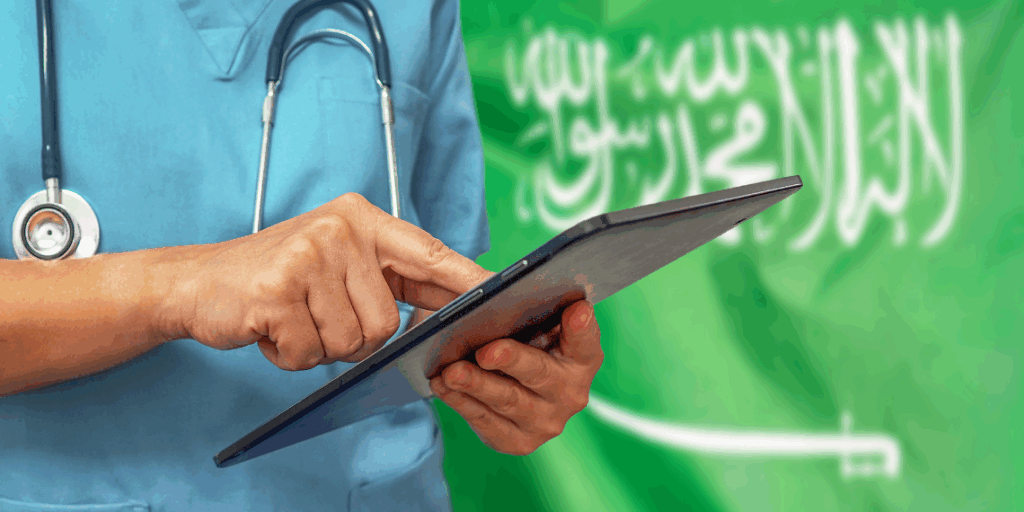
Saudi Arabia is advancing a modern healthcare model centred on innovation, artificial intelligence and medical robotics as part of its strategic transformation under Saudi Vision 2030. The initiative aims to improve service quality, enhance operational efficiency, and build a more sustainable, value-based healthcare system.
The shift from a traditional treatment-focused approach to a preventive, value-based system integrates advanced infrastructure, skilled professionals, research, local manufacturing and investment. It prioritises health maintenance and early intervention through digital health solutions, AI-assisted diagnostics, robotic surgery and virtual care models.
Transforming Healthcare Delivery
Saudi Arabia’s health transformation marks a structural shift towards proactive care and patient-centred services. The model emphasises home-based care, digital connectivity between patients and providers, and unified health systems that improve data integration and access to specialised services.
A key example is the Seha Virtual Hospital, which connects 242 hospitals and serves more than 597,000 beneficiaries, helping bridge geographic gaps and improve chronic disease management. The platform also enhances operational efficiency and reduces pressure on high-demand healthcare facilities.
This transformation is supported by sustained investment in healthcare infrastructure and human capital development, with specialised training programmes designed to prepare leaders for a value-based healthcare system focused on quality and efficiency.
AI and Digital Health Innovation
The Ministry of Health’s AI initiatives align with the Health Sector Transformation Programme and Vision 2030 objectives to improve life expectancy, service quality and innovation in care delivery.
At the 2025 Global Health Exhibition, the ministry introduced the “AI Physician” virtual doctor concept to support diagnosis and clinical decision-making. It also launched a “smart health coach” through the Sehhaty app in partnership with Google, offering personalised health guidance and promoting preventive behaviours.
The exhibition also saw over SAR133 billion in investments and agreements, including major allocations for hospital infrastructure, venture capital and life sciences. Strategic partnerships with organisations such as HUMAIN, Lean Business Services and Google Cloud further strengthened the Kingdom’s digital health ecosystem.
In addition, the Ministry launched the Biotech Accelerator in collaboration with BioLabs to support innovation and international partnerships in the life sciences sector.
Robotics and Advanced Surgical Systems
Hospitals across the Kingdom are rapidly adopting robotic systems such as Da Vinci, ROSA and CORI, enabling highly precise procedures in cardiology, oncology, orthopaedics, neurosurgery and other specialities. These systems allow minimally invasive surgeries that reduce recovery times, pain and hospital stays while improving clinical outcomes.
King Abdullah Medical City, part of the Makkah Health Cluster, recently introduced the Da Vinci Xi robotic system, reinforcing its position as a specialised care centre. The system enhances surgical precision using 3D imaging and robotic arms capable of performing complex procedures through minimal incisions.
Smart Healthcare for Pilgrims
Saudi Arabia is also leveraging digital health technologies to enhance healthcare services for pilgrims, in line with the Pilgrim Experience Programme under Vision 2030.
During preparations for the 2025 Hajj season, the Ministry of Health implemented integrated healthcare solutions to ensure high-quality and safe services for pilgrims. The Makkah Health Cluster introduced several AI-driven initiatives, including the “i-Selfie” system, which uses biometric sensing to measure vital signs quickly and non-invasively, significantly reducing patient assessment times.
Additional innovations include the AI-powered Hajji platform available in over 200 languages via WhatsApp, a mobile stroke unit with real-time CT scanning, on-site cardiac catheterisation services, and digital pharmacy and health assistant apps supporting multilingual patient care.
Wearable technology connected to the Seha Virtual Hospital also enables continuous monitoring of pilgrims with chronic conditions, ensuring timely medical follow-up.
Global Leadership in Medical Innovation
King Faisal Specialist Hospital and Research Centre has pioneered advanced robotic surgeries, including fully robotic heart and liver transplants, brain tumour resections and complex cardiac procedures. These innovations have significantly improved precision, reduced complications and shortened recovery times.
The hospital has also been recognised globally, ranking 12th among academic medical centres and featuring in Newsweek’s 2026 global hospital rankings.
Similarly, the Ministry of National Guard Health Affairs has been recognised as Saudi Arabia’s leading smart hospital, leveraging integrated digital systems, predictive AI models, virtual care and digital twin technologies to optimise patient outcomes and operational efficiency.
King Khaled Eye Specialist Hospital has also emerged as a leader in AI-driven ophthalmology, using advanced imaging and machine learning to enhance early disease detection and treatment planning. Its EYENAI project for diabetic retinopathy detection won top recognition at the 2025 Saudi Customer Experience Awards.
Building a Future-Ready Health System
Across the Kingdom, these advancements reflect a broader national strategy to position Saudi Arabia as a global leader in digital health. Through sustained investment, talent development and technological innovation under Vision 2030, the country is building a healthcare system rooted in prevention, efficiency and advanced medical technologies, aimed at improving quality of life and long-term sustainability.