Dubai has cemented its position as one of the world’s busiest events destinations, with its year-round calendar continuing to drive economic growth, tourism expansion, and long-term resilience, officials said on Wednesday.
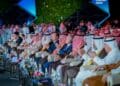
Speaking at the first quarterly partner meeting of 2026 at Dubai Opera, officials from the Dubai Department of Economy and Tourism (DET) highlighted how lessons learned from the 2008 global financial crisis and the COVID-19 pandemic have been integrated into everyday operations, enabling swift responses and effective coordination with private-sector partners.
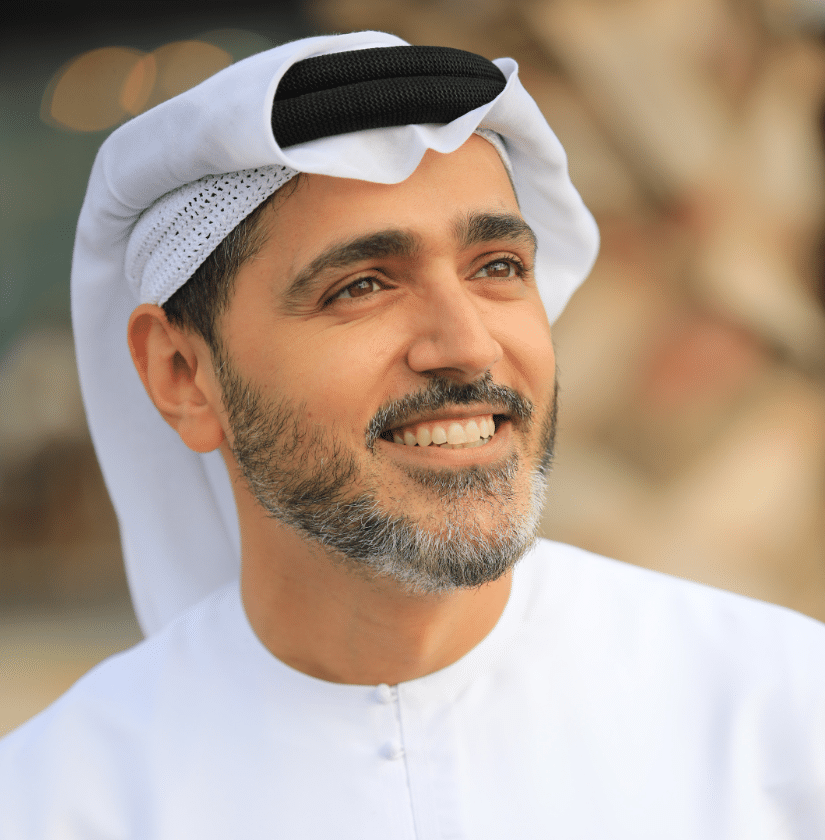
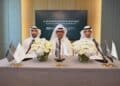
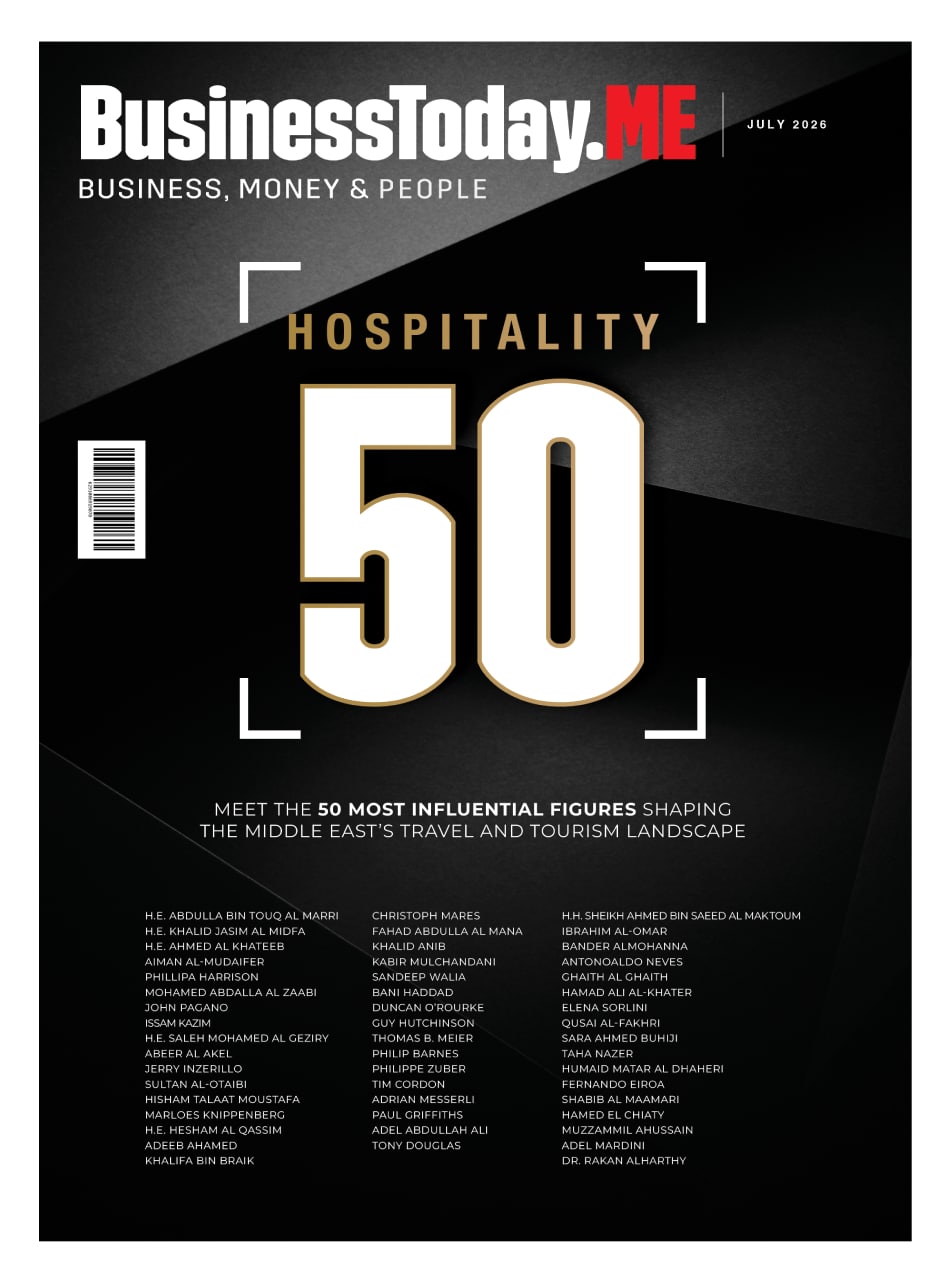
Issam Kazim, CEO of the Dubai Corporation for Tourism and Commerce Marketing (DCTCM), reaffirmed the emirate’s commitment to the Dubai Economic Agenda (D33), describing it as a long-term strategy shaped through collaboration with industry stakeholders. He noted that Dubai’s approach focuses on sustainable development, market diversification, and enhancing its appeal as a leading global destination for tourism, business, investment, and residency.
Kazim outlined four key tourism priorities: increasing visitor arrivals, extending average visitor stays, boosting tourism spending, and encouraging repeat visits. He stressed that Dubai’s extensive global connectivity, supported by Emirates and flydubai, remains a cornerstone of this strategy.
He also praised the agility of the aviation sector, recalling how authorities successfully managed flight operations during challenging periods by adjusting runway schedules with remarkable precision, demonstrating the effectiveness of coordinated planning and institutional flexibility.
DET officials also reflected on the emirate’s economic resilience, highlighting financial support measures introduced during previous crises. These included an initial AED1 billion stimulus package that was later expanded to AED2.5 billion, providing critical support to businesses across retail, hospitality, small and medium-sized enterprises, and the events sector.
Kazim said Dubai continues to enjoy strong international confidence, noting that global business leaders regularly visit the emirate to assess its operating environment and safety measures firsthand, while multinational companies increasingly select Dubai as a launchpad for new products and initiatives.
To protect consumers and ensure market stability, authorities implemented strict price-monitoring measures, conducting frequent inspections and enforcing regulations to prevent unfair practices.
Dubai’s cultural and sporting sectors have also maintained strong momentum. Major events such as the Dubai World Cup, which celebrated its 30th anniversary, and Art Dubai, marking its 20th edition, continue to attract international attention. Community-focused initiatives by companies including Talabat, Noon, and Kita have further supported local businesses and restaurants.
Ahmed Alkhaja, CEO of Dubai Festivals and Retail Establishment (DFRE), said the city’s events programme will remain active throughout the summer months, challenging the traditional seasonal slowdown.
A major summer campaign launching on 2 July will feature extensive retail promotions and hospitality offers across Dubai. For the first time, shoppers who spend more than AED500 at participating outlets during a 12-week retail promotion will be entered into weekly draws for the chance to win a residential property in Dubai through a streamlined digital system.
Alkhaja noted that serving a multicultural population representing more than 200 nationalities requires a diverse and dynamic events offering. He added that consistently high attendance at major venues such as Coca-Cola Arena reflects strong demand for entertainment, cultural programming, and business events that contribute to Dubai’s growing knowledge economy.