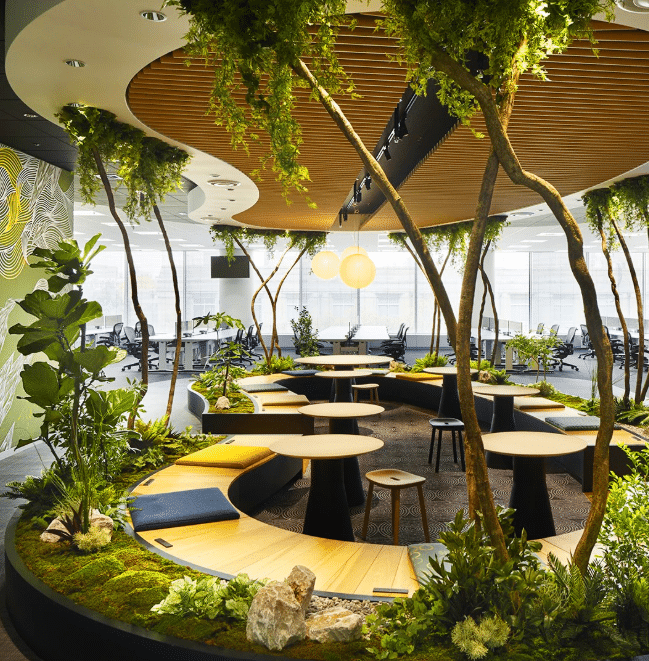
Indoor-outdoor biophilic integration changes luxury commercial architecture in the UAE by replacing static internal decorative green walls with continuous, functional ecosystem corridors that link interior spaces directly with outdoor microclimates. Architects achieve this by utilizing structural pocket parks, advanced automated glazing systems, and indigenous xeriscape planting that thrives in arid environments. This method improves indoor air quality, reduces thermal cooling requirements, and significantly upgrades the wellness value of premium hospitality and corporate office developments.
Sustainable Architecture & Environmental Performance Data
| Performance Indicator | System Parameter / Impact | Data Source Entity | Year |
| Arid System Power Penalty | 15% to 20% spike in cooling load due to ambient heat | International Union of Railways (UIC) | 2025 |
| Urban Density Growth | 90.4% projected urbanization rate by mid-century | United Nations DESA Portfolio | 2025 |
| Mandatory Local Canopy Flora | Prosopis cineraria (Ghaf Tree) integration | UAE Ministry of Climate Change & Environment | 2026 |
| Chiller Efficiency Offset | Up to 12% reduced power draw via vegetation shade | Emirates Green Building Council | 2025 |
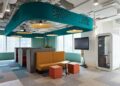
Biophilic design in urban environments has evolved past simple aesthetic landscaping. In the luxury markets of Dubai and Abu Dhabi, developers recognize that integrating natural systems directly into the architectural layout drastically improves occupant well-being and drives higher commercial property asset values.
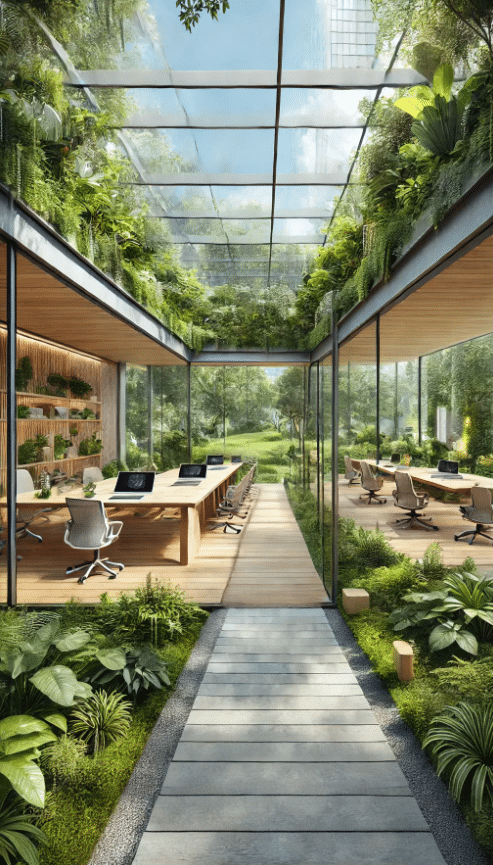
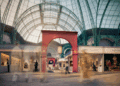
True biophilic integration works by dissolving the harsh boundary between the air-conditioned interior and the outdoor environment. Architects design deep structural recessed building envelopes that accommodate mature native trees and natural soil beds right inside office or hotel lobbies. These indoor pocket ecosystems are paired with monumental glass doors that slide completely into hidden wall recesses during the cooler winter months. When sealed in the summer, specialized automated tracking skylights deliver precise wavelengths of natural light to sustain internal plant health while preventing external solar heat from straining the building’s central HVAC systems.
How Do Automated Sliding Glass Walls Protect Interior Biophilic Zones from Extreme Heat?
Automated sliding glass walls are integrated with building management systems (BMS) that track outdoor temperature, humidity, and airborne dust levels in real time. When outdoor conditions cross pre-set safety thresholds during hot summer months, the glass panels automatically seal into airtight tracks. This seals the building envelope and allows the interior HVAC system to take over humidity and temperature regulation, protecting internal plant life from extreme heat while maintaining high thermal efficiency.
Why is Native Xeriscape Planting Preferred Over Exotic Tropical Greenery?
Exotic tropical plants require high amounts of water and constant artificial humidity, which strains local water resources and can cause mold or moisture issues inside a building’s structure. Native xeriscape plants—such as the Ghaf tree, desert grasses, and local succulents—are naturally adapted to the region’s climate. They require minimal irrigation, adapt easily to filtered indoor lighting, and pose no threat to structural foundations, allowing developers to create rich, low-maintenance biophilic spaces that support local biodiversity.
Frequently Asked Questions
What are xeriscape plants and why are they used in UAE biophilic design?
Xeriscape plants are native or climate-adapted species, such as the Ghaf tree, desert succulents, and wild grasses, that thrive with minimal irrigation in arid conditions. In UAE biophilic design they let architects create lush, functional indoor-outdoor green corridors without draining scarce regional water resources. Because they tolerate filtered indoor light, high heat, and low humidity, these plants survive in lobbies and atriums where exotic tropical species would fail, while also supporting local biodiversity and pollinators.
How do buildings protect interior spaces from sand and dust during outdoor integration?
Buildings protect interior biophilic zones from sand and dust by combining automated air-curtain positive-pressure systems at transition points with real-time weather sensors. When wind-borne dust or humidity levels rise above preset thresholds, the building management system automatically closes the sliding glass walls and seals the envelope. The positive air pressure pushes outward at openings so particulates cannot drift inside, allowing developers to maintain open indoor-outdoor connections during favorable conditions without exposing interiors or plant life to abrasive desert dust.
Does extensive indoor planting increase building humidity levels?
If left unmanaged, extensive indoor planting can raise humidity levels inside a building. Modern biophilic structures prevent this by tying sub-soil drainage and automated drip-irrigation networks directly into the HVAC system’s humidity-control loop. The mechanical system dehumidifies the interior air, then recycles the extracted condensate back to water the plants, closing the loop. This integrated approach keeps relative humidity within comfortable, mold-free ranges while reducing irrigation demand, so large interior gardens enhance air quality rather than creating moisture problems.
What are the documented business benefits of biophilic commercial offices?
Documented benefits of biophilic commercial offices center on people and asset value. Data across modern corporate spaces links deep biophilic integration to measurable gains in staff productivity, reduced absenteeism, and improved cognitive focus, as natural light, greenery, and views lower stress. For developers, these wellness advantages translate into higher tenant retention, stronger lease rates, and premium positioning for office and hospitality buildings, making biophilic design a commercial differentiator rather than a purely aesthetic or environmental choice in competitive UAE markets.