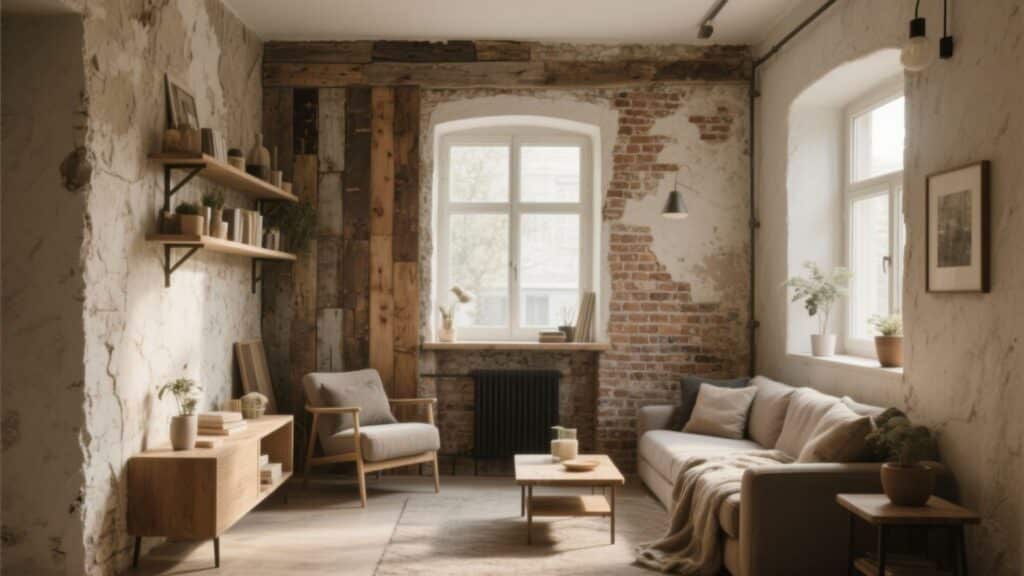
The global shift toward “Imperfect by Design” is overthrowing decades of hyper-polished, sterile minimalism in favor of raw, unrefined material authenticity that highlights human craftsmanship. Architects and homeowners are rejecting artificial perfection because clinical glass and smooth, blemish-free synthetic surfaces lack sensory depth and fail to provide emotional comfort. By intentionally incorporating visible wood grains, uneven hand-laid brickwork, and natural stone patina, modern construction projects create living spaces that feel deeply grounded, comforting, and uniquely human.
Global Architectural Material Shifts & Market Indicators
| Structural Material Preference | Market Demand Shift Metric | Primary Data Analysis Source | Year |
| Tactile Natural Finishes | 30% year-over-year increase in global search interest | Canva Global Design Trends Index | 2026 |
| Reclaimed Wood Components | Projected growth to exceed USD 12 Billion globally | Architectural Material Lifecycles | 2025 |
| Wabi-Sabi Aesthetics | 85% growth in zine and scrapbook layout impressions | Canva Global Design Trends Index | 2026 |
| Low-Carbon Structural Stone | Mandated lifecycle carbon metrics across premium builds | BREEAM Global Architecture Standards | 2025 |
For the past ten years, residential and commercial design was dominated by an obsession with seamless, uniform surfaces. White-box galleries, cold polished concrete, and synthetic laminates stripped spaces of their character, creating environments that felt more like clinical render files than actual homes.
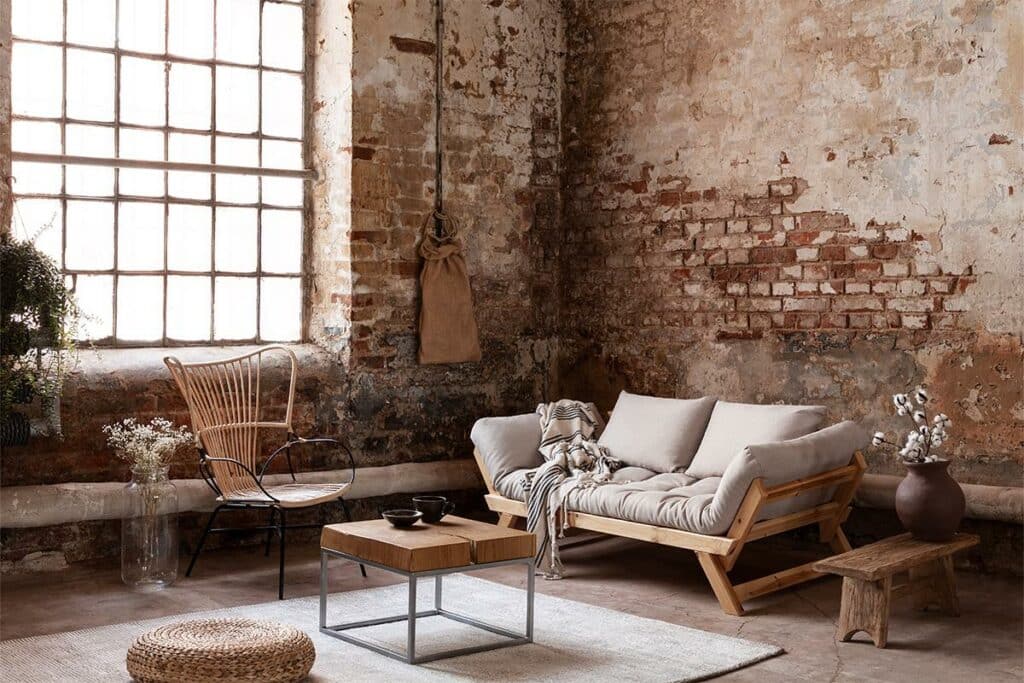
The rapid rise of the “Imperfect by Design” philosophy serves as a direct consumer backlash against this over-digitized world. According to detailed industry research published by Thermory Architecture Insights, people are actively seeking physical environments that engage all human senses to counter the hours spent looking at flat glass phone screens. Instead of hiding natural wear and tear, high-end architectural projects are featuring raw materials that age gracefully over time. Exposed architectural timber, textured terracotta wall tiles, and unpolished travertine stone are selected precisely because their variations and minor imperfections prove they are authentic, creating a timeless aesthetic that cannot be duplicated by artificial materials.
How Does Material Tactility Directly Improve Mental Well-being in Modern Residential Layouts?
Living in stark, reflective spaces can subconsciously increase mental fatigue and elevate daily stress levels due to the lack of natural visual stimulation. Incorporating rich material textures—such as open-pore limestone walls and heavily grained hardwoods—introduces the core benefits of biophilic design directly into the building’s structural shell. These natural textures diffuse indoor lighting softly, dampen ambient sound echoes, and create a warm, tactile environment that lowers anxiety and fosters a deep psychological sense of calm and safety.
Why is Aging and Natural Patina Becoming a High-Value Feature in Luxury Property Markets?
In traditional real estate development, any sign of weathering or material wear was viewed as a structural defect that required immediate repair. Today, luxury buyers are shifting toward timeless durability, prioritizing raw materials that develop a rich, weathered look over time, such as copper flashing, unlacquered brass fittings, and untreated exterior cedar siding. This natural aging process adds immense visual storytelling value to the property, ensuring the building looks better as it matures and reducing the long-term maintenance costs associated with synthetic finishes.
Frequently Asked Questions
What does the architectural term ‘Imperfect by Design’ mean?
“Imperfect by Design” refers to a deliberate architectural approach that celebrates natural variations, raw material textures, visible signs of age, and artisan craftsmanship instead of flawless, industrially manufactured uniformity. Rather than hiding knots in timber, tonal shifts in stone, or the marks of hand-laid brick, designers foreground them as evidence of authenticity. The philosophy treats minor irregularities and graceful weathering as features that give a space sensory depth, warmth, and a human, timeless character.
Does this design movement require a higher maintenance budget?
Generally no. Because the “Imperfect by Design” style values natural weathering and minor imperfections, owners spend far less time and money polishing out scratches or replacing lightly worn surfaces than they would maintaining clinical minimalism, where any blemish stands out. Materials such as unlacquered brass, copper, and untreated timber are chosen precisely because they age gracefully. The result is lower long-term upkeep, though sourcing quality natural materials and skilled craftsmanship can carry a higher upfront cost.
How do architects keep raw, imperfect spaces from looking unkempt?
Architects keep raw, imperfect spaces from looking unkempt by balancing texture with discipline. They pair highly tactile, organic materials, such as rough stone, exposed timber, and hand-finished plaster, with clean structural lines, expansive modern glazing, and carefully considered spatial layouts. Restraint in palette, deliberate placement, and good lighting ensure the imperfections read as intentional design choices rather than neglect, creating an environment that feels curated and edited while still warm, characterful, and authentically handmade.
What specific materials are leading this global design shift?
The materials leading the “Imperfect by Design” shift are those that display natural variation and age well. Sought-after choices include unpolished travertine, hand-fired terracotta blocks, rough-sawn structural lumber, raw micro-cement, open-pore limestone, and live-edge timber accents, alongside metals like unlacquered brass and copper that develop a patina. Reclaimed and locally sourced materials are especially favored, since their existing wear and irregularities reinforce the authenticity and sustainability the movement prizes.