

Intelligent security, advanced management systems, and integrated technology solutions are key to delivering resilient, future-ready urban environments
As Middle Eastern nations look to diversify revenue streams and attract more international interest and investment, the region is quickly gaining a reputation as a hotbed of innovation.
From existing and planned smart city developments, to world-beating investments in AI, 5G and cloud computing technologies, core nations like the UAE, Saudi Arabia and Qatar are leveraging digital transformation to position themselves as global leaders in tech innovation.
As city planners, authorities and private organisations strive to develop future-proof modern infrastructure, the security and management technologies they utilise are getting smarter, this is how Middle Eastern digital transformation and security innovation is reshaping the future.
The Growth of Digital Transformation Across the Middle East
Government-backed diversification strategies designed to help Middle Eastern nations grow beyond energy-centric economies are spearheading digital transformation across the region.
Research suggests the Middle East Digital Transformation Market will climb to a total value of $205.83 billion by 2031, fueled by ambitious growth initiatives undertaken by key nations.
Tentpole digital transformation strategies currently being pursued across the region include:
- The UAE Digital Government Strategy 2025: The UAE is committed to embedding digital transformation into core government operations, primarily via the development of world-class infrastructure, integrated digital services and leading training initiatives.
- Saudi Vision 2030: Vision 2030 provides a framework for economic diversification to help build a vibrant, future-forward society for Saudi citizens; current and future plans focus on infrastructure development and efforts to improve digital literacy nationwide.
- Qatar National Vision 2030: The Qatari government intends to achieve sustainable economic growth through 2030 and beyond by enhancing the nation’s physical and digital infrastructure, spurred by smart city projects and digital governance initiatives.
These strategies exemplify a collective and growing commitment to technological innovation across the Middle East, with the positive impacts already being felt within the region’s cities.
How Tech Innovation is Reshaping Security in the Middle East

As technological advancements across the Middle East begin to draw the attention of global onlookers, authorities around the world are taking note of the ways in which Middle Eastern nations utilise smart technologies to make daily life safer, more secure and more convenient.
The impact of digital transformation can be most plainly seen in the management of smart cities, of which the Middle East has many. From Dubai and Abu Dhabi, to Riyadh and Lusail, below are some examples of digital transformation spurring security innovation in the region.
Law Enforcement

Integrations between smart security camera systems and wider technologies are enabling authorities across the Middle East to reduce crime rates. Solutions like Abu Dhabi’s Falcon Eye system leverage thousands of smart cameras to help officials tackle threats in real time.
AI-informed cameras throughout the city are able to automatically identify security risks like persons carrying contraband items, crowds forming in unusual areas and acts of aggression. In the event of an incident, officials are sent an instant, data-rich alert requesting a response.
Integrations with wider security solutions enable officials to engage automated responses to various threats, like access systems locking and alarms sounding in response to attempted break-ins; such technologies have been shown to reduce rates of crime by as much as 40%.
Disaster Response
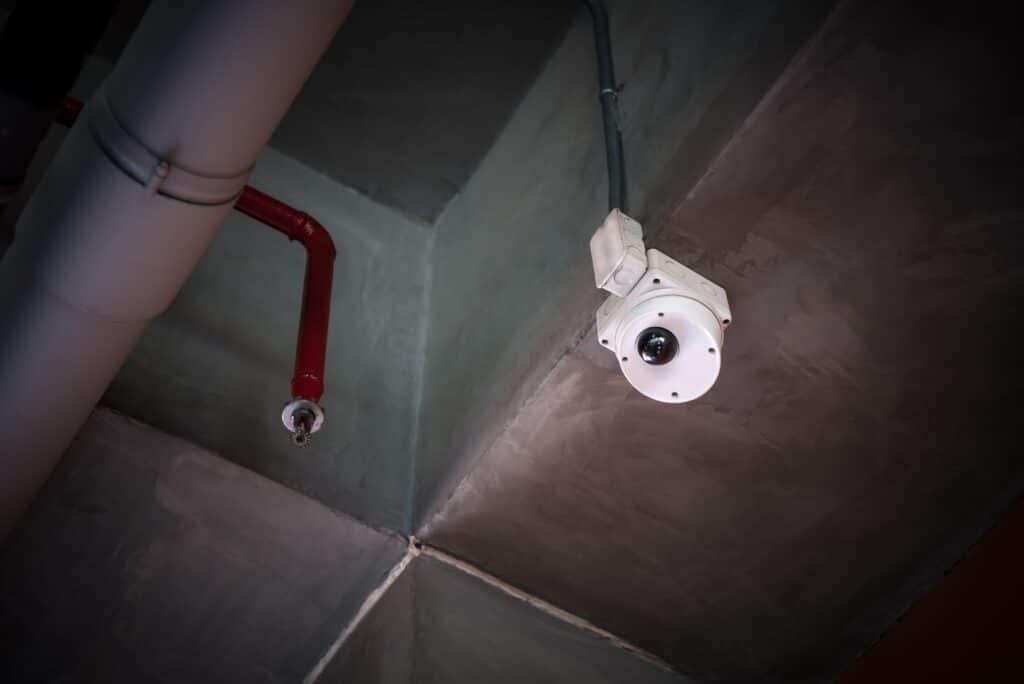
Innovations in AI and machine learning are helping first responders across Middle Eastern cities best-address disasters like fires and floods. Examples like Dubai’s smart fire detection system utilise arrays of smart sensors, cameras and AI tools to preemptively combat threats.
Cameras equipped with AI video analytics are trained to identify the early warning signs of emergencies like embers in a building or anomalous human behaviour, then, in conjunction with heat, sound and pressure sensors, determine the likelihood of an emergency occurring.
Site and case-specific responses to various events can be programmed by city officials, with integrated fire suppression, alarm and access systems able to be automatically engaged. If a threat is detected, officials are instantly notified so an appropriate response can be enacted.
Data Governance

The positive impacts of digital transformation in the Middle East are not exclusive to physical security infrastructure, with many government-led initiatives, like those mentioned previously, defining plans to boost cyber literacy and security in order to safeguard valuable data assets.
While innovative technologies like AI can bring about many benefits, they often also expose new vulnerabilities in previously secure cyber-physical systems, with AI-driven cyber-attacks rising by over 70% in recent years and attacks against IoT infrastructure increasing by 45%.
Nations like Saudi Arabia and the UAE are making efforts to strengthen data protection laws and cybersecurity systems to proactively combat novel threats. As a result, data suggests as many as 83% of the region’s institutions are developing GenAI-driven cybersecurity systems.
Working Towards a Smarter and Safer Future
As Middle Eastern nations continue to prioritise digital transformation as a way to both diversify their economies and build smarter, safer cities, world leaders are turning towards the region to gain some insight into what the urban environments of tomorrow may look like.
As central nations like the UAE push the boundaries of innovation through groundbreaking concepts like the first fully AI-native government, it’s becoming increasingly clear that the path towards a smarter and safer future across the modern world begins in the Middle East.