• Contact
  • Magazines Archive
  • Subscribe Now
Business Today Middle East
  • News
  • Business
    • Markets
      • Money
      • Tech News
      • Healthcare
      • Opinion
    • Appointments
  • Real Estate
  • Technology
  • Energy
  • Hospitality
    • Hotel
    • Catering
  • Lifestyle
    • Fashion
    • Sports
    • Cars
    • Travel
  • Events
    • Awards
      • Sustainability Innovation Awards 2026
    • Forum
      • Sustainability Innovation Forum 2026
    • The Power Breakfast
  • Powerlist
    • Top 50 Hospitality Leaders in the Middle East 2026
    • Top 50 AI Leaders in the Middle East 2026
    • Top 10 Influential Women in Saudi Arabia
    • Top 10 Real Estate Leaders in Saudi Arabia
  • Interviews
No Result
View All Result
Business Today Middle East
  • News
  • Business
    • Markets
      • Money
      • Tech News
      • Healthcare
      • Opinion
    • Appointments
  • Real Estate
  • Technology
  • Energy
  • Hospitality
    • Hotel
    • Catering
  • Lifestyle
    • Fashion
    • Sports
    • Cars
    • Travel
  • Events
    • Awards
      • Sustainability Innovation Awards 2026
    • Forum
      • Sustainability Innovation Forum 2026
    • The Power Breakfast
  • Powerlist
    • Top 50 Hospitality Leaders in the Middle East 2026
    • Top 50 AI Leaders in the Middle East 2026
    • Top 10 Influential Women in Saudi Arabia
    • Top 10 Real Estate Leaders in Saudi Arabia
  • Interviews
No Result
View All Result
Business Today Middle East
No Result
View All Result
Home Contributors

Beneath the Surface: Why Underground Infrastructure Holds Cities Back

Reeba Asghar by Reeba Asghar
January 29, 2026
in Contributors
Hassan Khairat, Principal at Arthur D. Little
Hassan Khairat, Principal at Arthur D. Little, highlights that siloed underground infrastructure planning across fast-growing GCC cities continues to fuel inefficiencies, delays, and public frustration

Cities compete and residents thrive when infrastructure works seamlessly beneath their feet. Below every road lies a dense, interdependent web of utilities, telecom networks, and power systems. These underground assets are the arteries of modern life. Yet in many cities, they are planned, built, and maintained in silos. The result, especially in jurisdictions going through rapid transformation such as the GCC, is familiar: repeated roadworks, rising costs, preventable delays, and mounting public frustration. A study published in the International Journal of Engineering and Information Systems shows that, average schedule overruns reach 30% in select GCC cities, with improper planning and poor coordination identified as the leading contributors.

Gulf cities are expanding at unprecedented speed. According to Gulf Research Center, infrastructure spend is forecasted to reach 232 Billion US dollars in 2028 alone in the GCC. The challenge is no longer how to build more, but how to coordinate better. Effective infrastructure-works management is a strategic priority. Cities need to proactively approach it and put together a practical framework comprising three key components: governance and accountability, delivery archetype, and technology enablement.

1. Define governance and accountability across the infrastructure value chain

Every city needs a unified infrastructure definition. A clear infrastructure definition enables decision makers to delineate roles and understand the ecosystem’s governance. Infrastructure is broader than physical assets and can refer to either hard infrastructure, such as utilities, and/or soft infrastructure, such as schools and hospitals. After clearly defining ‘infrastructure’, cities must then articulate roles and responsibilities across the infrastructure value chain. It includes: policy-making and regulation, planning, budgeting, permitting and service delivery, compliance and monitoring, and asset management. Without a single point of accountability, coordination breaks down across the value chain and the public pays the price through congestion and disruption.

2. Define the right delivery archetype

There is no one-size-fits-all model for managing infrastructure works. Some cities may opt for a centralized entity that directly manages permitting, planning, and execution (as in Qatar’s Ashghal). Others may establish a coordinating authority that sets standards and oversees compliance, while utilities continue to execute their own works. Riyadh’s Infrastructure Projects Center (RIPC) is emerging as a pioneering model, standardizing how works are planned and executed, and coordinating all infrastructure works between the relevant entities (e.g., water, electricity). There is no right model, what matters most is clarity of roles, accountability, and data sharing across all players.

3. Introduce tech-enabled coordination

Technology is the enabler that ties it all together. Tech-enabled tools are reshaping how GCC cities manage infrastructure coordination. Centralized approval platforms streamline processes by consolidating all required NoCs into a single system (e.g., Dubai’s eNOC platform). GIS-based networks integrate utility maps into one shared view, reducing excavation overlaps and improving planning (e.g., Abu Dhabi’s Spatial Data Infrastructure “AD-SDI”, a unified infrastructure geospatial hub). Riyadh recently launched the infrastructure masterplan that provides a single source of truth for the City’s infrastructure works and planned works/developments. Real-time monitoring using IoT sensors and digital twins helps cities track asset health, flag issues early, and coordinate smarter maintenance (e.g., Qatar’s Lusail City digital twin project).

The GCC’s opportunity to lead

With megaprojects reshaping skylines and entire new districts under construction, the region can leapfrog global standards. By redefining how utilities coordinate, digitizing excavation management, and designing underground networks with future capacity in mind, GCC cities can dramatically reduce disruptions and enhance quality of life. Smart cities are not built only above ground. The real foundation of a livable GCC city lies beneath the surface, in how well we manage how we dig.


Tags: Arthur D. LittleGCCUnderground infrastructure
ShareTweetShareSend

Recommended For You

Nancy Ozbek on Beating “AI Fatigue” in Retail

Nancy Ozbek on Beating “AI Fatigue” in Retail

July 22, 2026
The Middle East Media Boom Has a Blind Spot

The Middle East Media Boom Has a Blind Spot

July 10, 2026
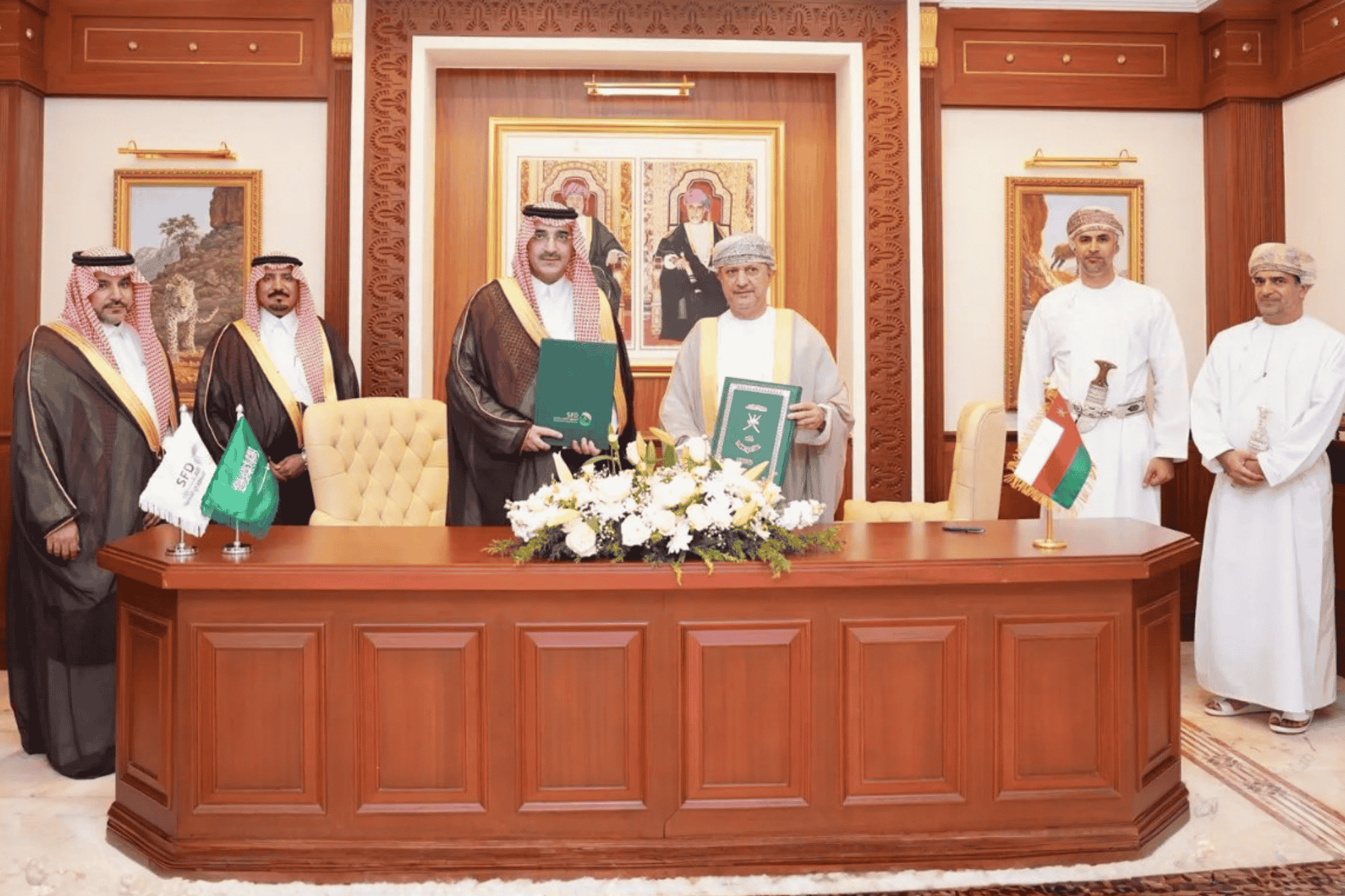
Saudi Arabia Invests $40 Million in New Industrial City Development in Oman

Saudi Arabia Invests $40 Million in New Industrial City Development in Oman

February 3, 2026
The Year Digital Experience Becomes Strategic Infrastructure

The Year Digital Experience Becomes Strategic Infrastructure

January 30, 2026
Middle Eastern Nations leading in Tech and Security

Smart Cities, Smarter Security

January 30, 2026
Haider Aziz, General Manager – Middle East, Turkey and Africa at VAST Data

 The Middle East’s Inference Moment Has Arrived

January 29, 2026
  • Trending
Dubai’s Residential Market Eases to AED84.9 Billion in Q2 2026, but Prices Keep Climbing and Tenant Demand Surges 20%, Betterhomes Data Shows

Dubai’s Residential Market Eases to AED84.9 Billion in Q2 2026, but Prices Keep Climbing and Tenant Demand Surges 20%, Betterhomes Data Shows

July 20, 2026
Dubai Commercial Property Market Holds Firm as Office Sales Value Jumps 190% and Retail Rises 178% Year-on-Year

Dubai Commercial Property Market Holds Firm as Office Sales Value Jumps 190% and Retail Rises 178% Year-on-Year

July 21, 2026
Majid Developments Builds on a Proven Legacy as Arlington Park 2 Presents One of Dubai’s Most Compelling Investment Opportunities

Majid Developments Builds on a Proven Legacy as Arlington Park 2 Presents One of Dubai’s Most Compelling Investment Opportunities

July 22, 2026
Nancy Ozbek on Beating “AI Fatigue” in Retail

Nancy Ozbek on Beating “AI Fatigue” in Retail

July 22, 2026
BusinessToday_logo

Get In Touch

Building #10, Dubai Media City
PO Box 502511, Dubai, United Arab Emirates

+971 4 420 0506

[email protected]
[email protected]

Sister Publications
  • Construction Business News
  • Design Middle East
  • Logistics News ME
  • Hotel & Catering
  • Entrepreneur Al Arabiyah
  • Entrepreneur Middle East
Newsletter

Never miss any important news.
Subscribe to our newsletter.

SUBSCRIBE NOW
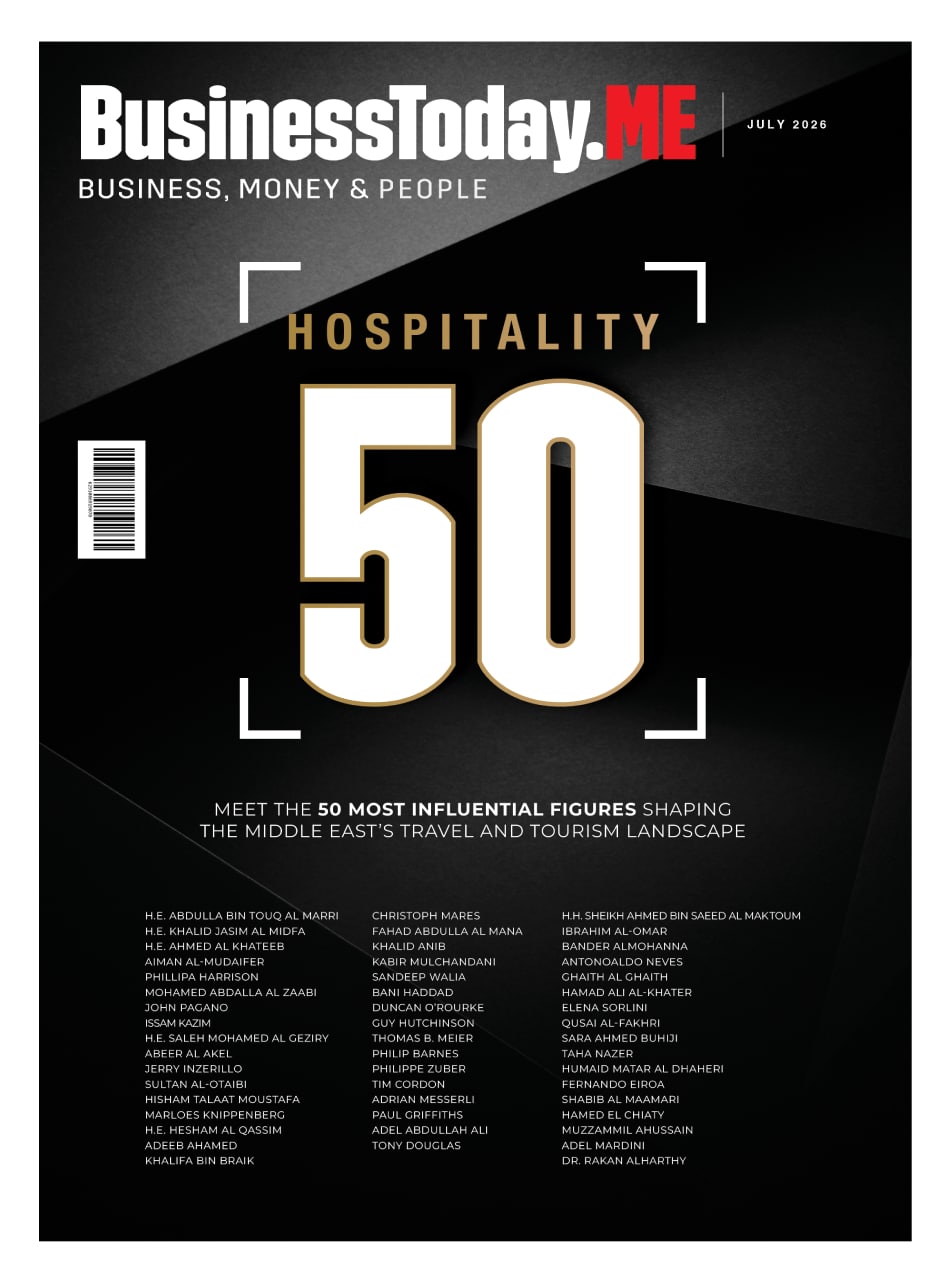
Business Today Middle East – July 2026
BusinessToday Magazines

Business Today Middle East – July 2026

July 9, 2026
Business Today Middle East – Inside Cover – July 2026
BusinessToday Magazines

Business Today Middle East – Inside Cover – July 2026

July 1, 2026

Get In Touch

Building #10, Dubai Media City
PO Box 502511, Dubai, United Arab Emirates

+971 4 420 0506

[email protected]
[email protected]

Sister Publications
  • Construction Business News
  • Design Middle East
  • Logistics News ME
  • Hotel & Catering
  • Entrepreneur Al Arabiyah
  • Entrepreneur Middle East
Newsletter

Never miss any important news.
Subscribe to our newsletter.

SUBSCRIBE NOW
Business Today Middle East – July 2026
BusinessToday Magazines

Business Today Middle East – July 2026

July 9, 2026
Business Today Middle East – Inside Cover – July 2026
BusinessToday Magazines

Business Today Middle East – Inside Cover – July 2026

July 1, 2026

Copyright © 2026 BNC Publishing. All Rights Reserved.

No Result
View All Result
  • News
  • Business
    • Markets
      • Money
      • Tech News
      • Healthcare
      • Opinion
    • Appointments
  • Real Estate
  • Technology
  • Energy
  • Hospitality
    • Hotel
    • Catering
  • Lifestyle
    • Fashion
    • Sports
    • Cars
    • Travel
  • Events
    • Awards
      • Sustainability Innovation Awards 2026
    • Forum
      • Sustainability Innovation Forum 2026
    • The Power Breakfast
  • Powerlist
    • Top 50 Hospitality Leaders in the Middle East 2026
    • Top 50 AI Leaders in the Middle East 2026
    • Top 10 Influential Women in Saudi Arabia
    • Top 10 Real Estate Leaders in Saudi Arabia
  • Interviews

© 2026 BusinessToday . All Rights Reserved.