
Qatar’s sovereign wealth fund has been investing in Spain for over a decade. The Ispania Growth Fund is different — it channels QIA’s capital into small and medium-sized Spanish businesses rather than trophy assets, reflecting a structural shift in how Gulf sovereigns deploy European capital.
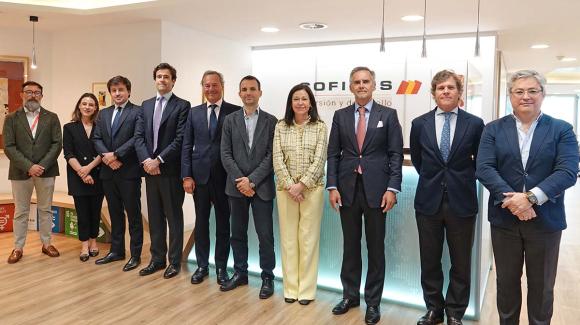
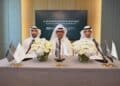
The Qatar Investment Authority (QIA) and COFIDES, Spain’s state-backed development finance institution, signed an agreement on 20 May 2026 to launch the Ispania Growth Fund, a €300 million ($327 million) joint investment vehicle targeting Spanish small and medium-sized enterprises focused on green transition, digital transformation, and technological innovation. The fund will be managed by Spanish private equity firm Portobello Capital.
The announcement was made in the same week as the GCC-UK free trade agreement signing, reinforcing a broader pattern of Gulf sovereign capital deepening structured European partnerships rather than reorienting entirely towards Asian markets.
What the fund will do
Ispania Growth Fund will primarily target Spanish SMEs operating in sectors aligned with Spain’s economic transformation agenda. Priority investment themes include green energy technologies, digital infrastructure, and manufacturing innovation — areas where Spain has significant government support programmes but where institutional-grade growth equity from multilateral and sovereign partners has been limited.
COFIDES manages approximately €2 billion in assets and operates as Spain’s public export and investment promotion agency. Its co-investment with QIA gives Spanish SME-growth managers access to institutional credibility, patient capital, and a Gulf sovereign’s network — a combination that enhances deal sourcing and portfolio company access to Middle Eastern markets.
Portobello Capital, appointed as fund manager, is one of Spain’s most active private equity houses, with approximately €3.5 billion in assets under management and a track record in mid-market growth equity transactions. Its domestic network and QIA’s global one create a differentiated capability for portfolio companies seeking international expansion.
QIA’s European strategy post-war
QIA manages approximately $530 billion in assets and has been a significant investor in European listed equities, real estate, and infrastructure for two decades. Prior Spain investments include holdings in Iberia (IAG), Caixabank, and several infrastructure assets.
The Ispania Growth Fund marks a shift towards unlisted, growth-equity exposure in Spain’s SME sector — a move consistent with the global trend among sovereign wealth funds towards private markets outperformance. It also reflects an explicit bilateral commitment: both the Qatari and Spanish governments are signatories to the fund’s founding framework, giving it a diplomatic dimension that pure commercial transactions typically lack.
Qatar’s decision to commit new capital to a Western European fund in May 2026 — while the Iran war continues to disrupt Gulf regional investment — signals confidence that Qatar’s economic buffers are sufficient to maintain long-term international deployment even as domestic priorities adjust.
The broader Gulf sovereign diversification pattern
QIA’s Ispania commitment is the latest in a series of Gulf sovereign moves towards structured European partnerships: ADIA’s infrastructure allocations, Mubadala’s European venture exposure through HV Capital, and PIF’s European fund commitments all reflect a sovereign asset management industry that has used the Iran-war period to accelerate western diversification rather than consolidate domestically.
For Spain, €300 million in patient capital for SME green and digital transition is strategically important: EU structural funds have been slow to deploy at the company level, and the combination of private equity management with QIA’s balance sheet provides a faster, more commercially disciplined alternative.
What this means for GCC investors
The Ispania Growth Fund represents a useful template for other GCC sovereigns considering bilateral European investment vehicles. The structure — national development bank plus sovereign wealth fund, managed by a local private equity manager — de-risks the political dimension while maintaining investment-grade governance.