The Fédération Internationale de l’Automobile (FIA), the global governing body for motorsport and the federation for mobility organisations worldwide, has reported its strongest operating performance in the past decade.
For FY2025, the FIA achieved an operating profit of €6.7 million, marking a 43% year-on-year increase and a major turnaround from the €24 million operating loss recorded in 2021. Operating revenue rose to €191.7 million, reflecting a 75% growth since FY2021.
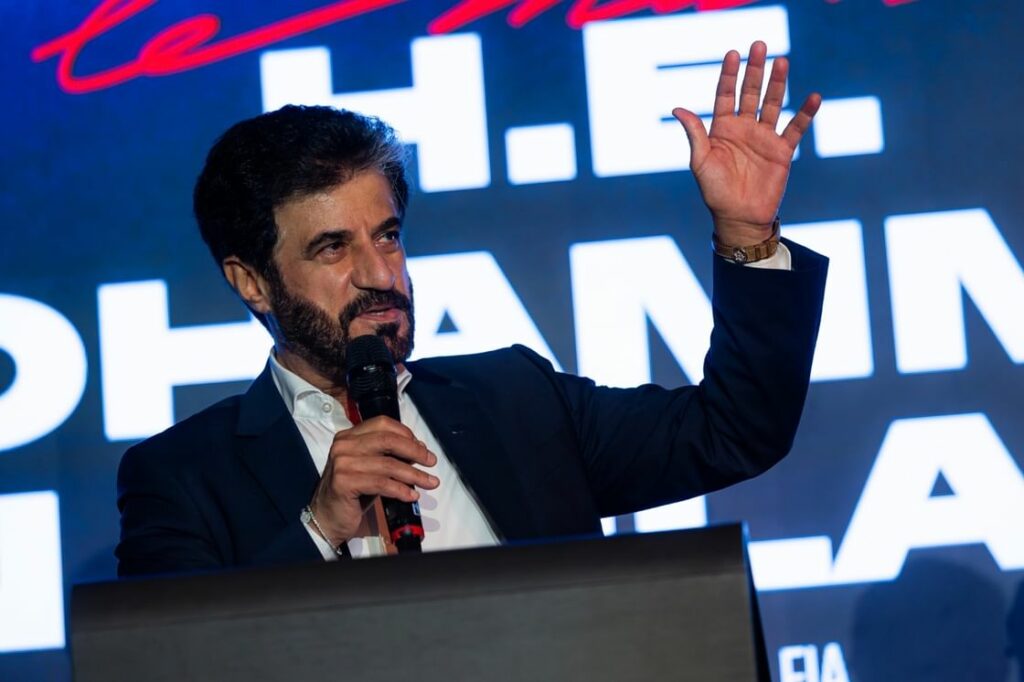
This performance builds on the federation’s return to profitability in FY2024 and highlights the continued financial transformation since the election of FIA President Mohammed Ben Sulayem in 2021. The improvement is attributed to a strengthened commercial strategy, tighter cost management, and enhanced financial governance across the organisation.
According to Ben Sulayem, the FIA remains focused on long-term financial sustainability, emphasizing continued progress in governance, transparency, and operational efficiency. He noted that the organisation has evolved into a more resilient and professionally structured federation committed to delivering value to its global stakeholders.
The 2025 results were further supported by strong performance across key FIA championships and commercial activities, including advancements in the FIA World Rally Championship promoter process, improved commercial terms, solid results from the FIA World Endurance Championship, and the introduction of updated regulations.
Since 2022, more than €20 million has been reinvested into strategic initiatives such as the creation of a dedicated Officials Department to enhance training and development, as well as the Safe Mobility 4 All and 4 Life programme.
The FIA has also continued modernising its operations, governance, and global presence, including the opening of its first London office in 2025 to strengthen international reach and talent acquisition.
At year-end, the FIA reported a strong financial position, with cash and cash equivalents representing 73% of its balance sheet, an equity ratio of 49%, and no financial debt. This solid foundation supports continued investment in championships, member clubs, personnel, and long-term strategic priorities across both sport and mobility sectors.