
Abu Dhabi Fund for Development has financed strategic development projects in Jordan worth over AED9.4 billion since 1974, supporting vital sectors that have advanced socioeconomic growth, strengthened infrastructure, and improved quality of life across the Kingdom.
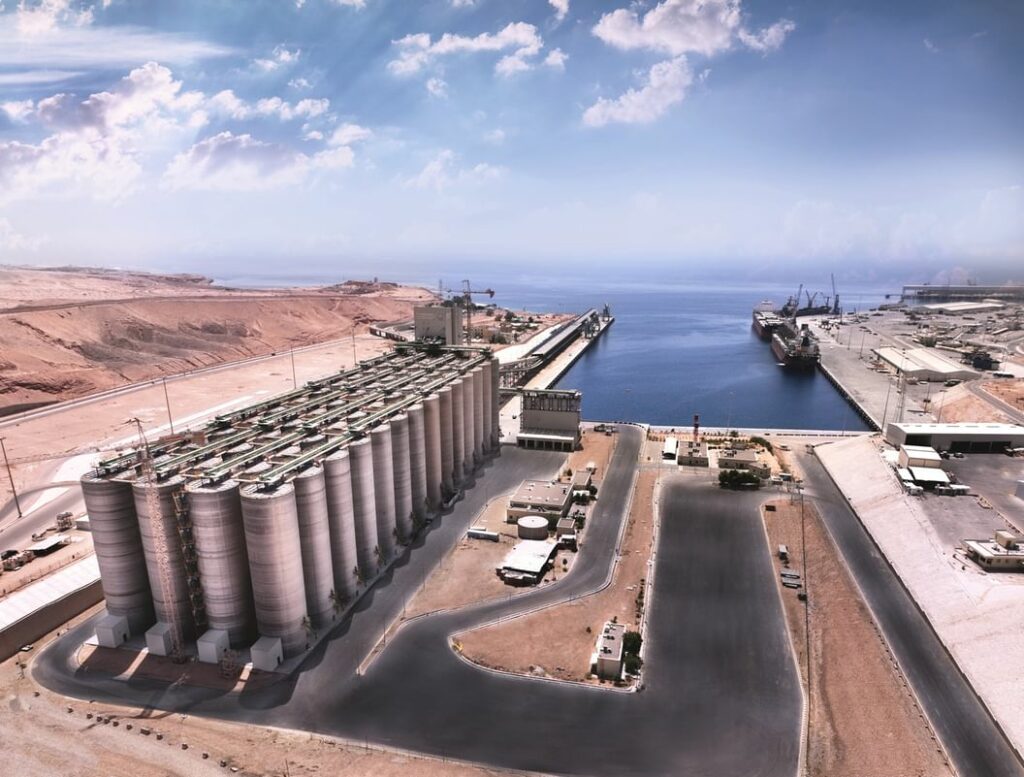
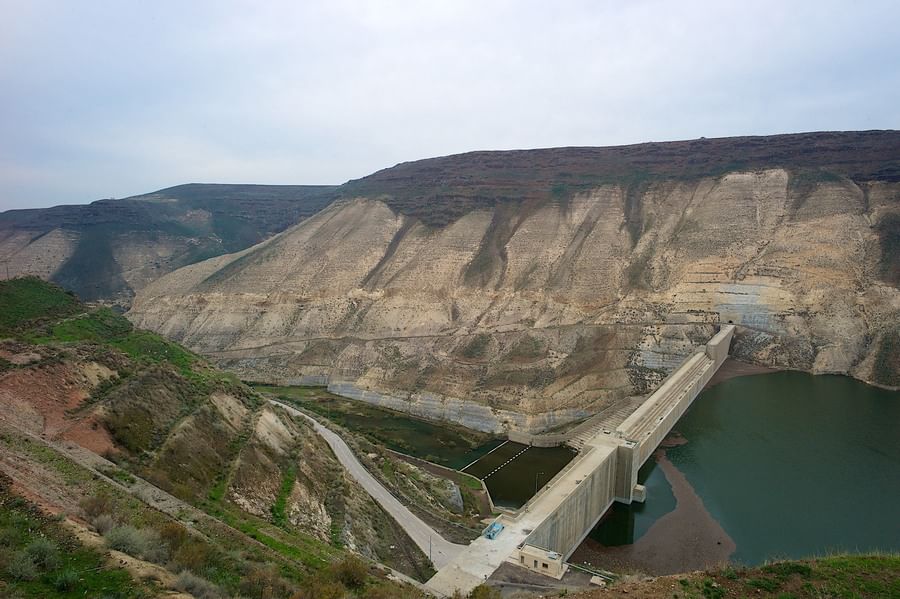
The Fund’s development portfolio highlights the strong and longstanding partnership between the UAE and Jordan through transformative initiatives such as the Jordan Digital Health Centre (Virtual Hospital), the expansion of grain silo facilities in Al Juwaideh and Aqaba, the Amman Development Corridor, the Sheikh Zayed Solar Power Complex in Quweira, and the Kufranja Dam project.
These projects have aligned with Jordan’s national priorities in healthcare, food security, renewable energy, water security, and infrastructure, while promoting sustainable and inclusive economic growth.
ADFD’s continued support reflects its commitment to sustainable development in Jordan and reinforces a model of Arab cooperation built on strategic partnerships and long-term collaboration. Through these efforts, the Fund continues to strengthen economic and social resilience, create new development opportunities, and support a more prosperous future for coming generations.

Mohammed Saif Al Suwaidi reported that the UAE and Jordan share deep-rooted historical ties based on fraternity, common visions, and extensive cooperation across multiple sectors.
He noted that over the decades, ADFD has played a key role in supporting Jordan’s development journey by financing strategic projects that contributed significantly to economic and social progress, reflecting the strength of bilateral relations between the two countries.
Al Suwaidi added that the UAE, through ADFD, managed its contribution to the Gulf Development Programme in Jordan, allocating AED4.6 billion to strategic projects across healthcare, energy, water, transport, food security, and education. By the end of 2016, approximately AED4.459 billion had been disbursed.
In healthcare, the Jordan Digital Health Centre (Virtual Hospital), launched in 2024 under the Jordanian government’s Economic Modernisation Programme with UAE grant support, aims to unify health records through a digital platform connecting hospitals and healthcare centres. During the first phase, five hospitals and three healthcare centres were connected to improve healthcare quality and speed up access to medical services.
The project is being implemented in collaboration with Presight as part of the digital transformation initiative at Jordan’s Ministry of Health. Valued at US$100 million, the initiative reflects both nations’ commitment to using advanced technologies to modernise healthcare services.
To support food security, ADFD financed the expansion of grain silo storage facilities in Al Juwaideh and Aqaba with AED258.7 million (US$70.5 million). The project increased storage capacity in Al Juwaideh by 120,000 tonnes to 250,000 tonnes, while Aqaba’s capacity rose by 100,000 tonnes to 200,000 tonnes, supporting Jordan’s National Food Security Strategy 2025.
In infrastructure, ADFD funded the Amman Development Corridor project, considered one of Jordan’s most significant transport initiatives because of its strategic role in improving connectivity between Amman, various governorates, and regional border crossings.
In renewable energy, ADFD financed the Sheikh Zayed Solar Power Complex in Quweira in southern Jordan in 2013 with AED551 million. The facility generates 103 megawatts of electricity using solar photovoltaic technology and helps meet rising energy demand through sustainable and clean power sources.
The solar complex supplies electricity to more than 50,000 homes while reducing dependence on imported energy and lowering petroleum import costs.
In the water sector, the Kufranja Dam stands among the Fund’s major projects. The 80-metre-high rock-fill dam has a storage capacity of 7 million cubic metres, including 4 million cubic metres designated for agriculture, enabling the development of an additional 6,000 dunums and boosting agricultural output.
The dam also provides Ajloun Governorate with nearly 3 million cubic metres of drinking water annually, while helping reduce flood risks and strengthen water resources for irrigation, drinking water, and environmental sustainability.
To support trade and exports, Abu Dhabi Exports Office strengthened economic cooperation between the UAE and Jordan by signing a financing agreement with Capital Bank to establish a credit facility worth approximately AED73.4 million (US$20 million). The agreement aims to boost trade activity and help UAE exporters access the Jordanian market through financing and guarantees.
The longstanding UAE-Jordan partnership reflects the deep fraternal ties between the two nations through major development projects across critical sectors. With ADFD financing in Jordan surpassing AED9.4 billion by 2026, both countries continue to advance a model of Arab development founded on effective partnership, infrastructure investment, sustainable energy, food and water security, and improved healthcare and education services — reflecting a shared vision for comprehensive development, regional stability, and long-term prosperity.