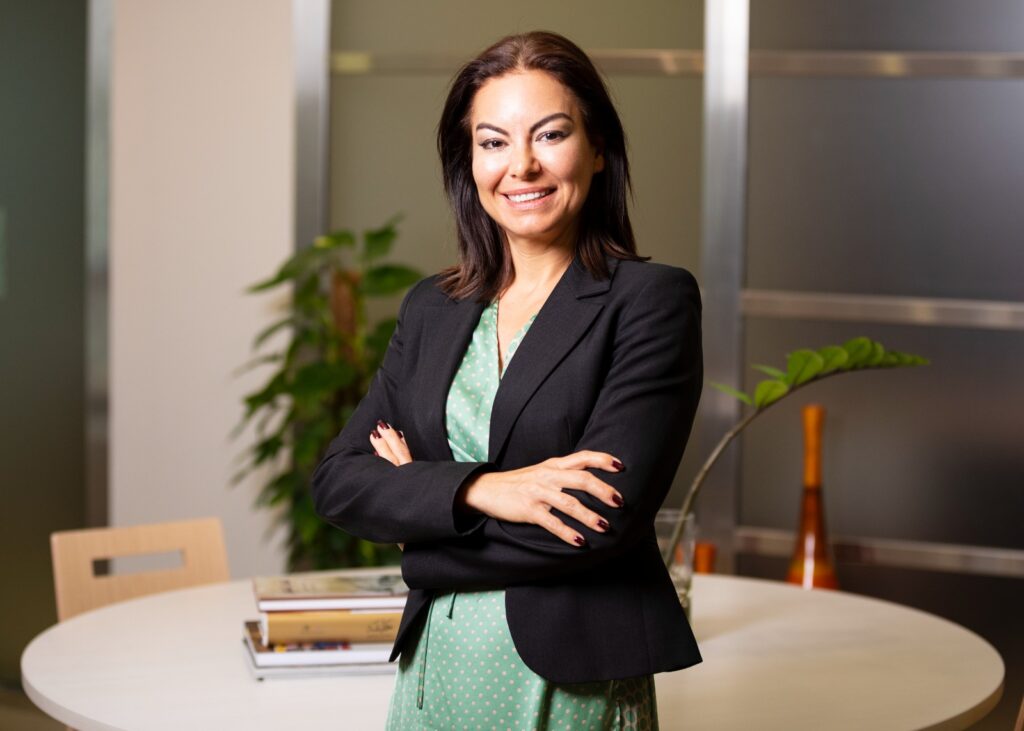
In the few seconds it took you to start reading this, an algorithm somewhere probably guessed your mood, nudged you toward a purchase, and hand-picked your newsfeed. We’ve entered a strange era of “perfect efficiency” where technology promises to smooth out every bump in our daily lives. But here’s the irony: while our digital world has never been more seamless, our real lives have started to feel a bit thin. I call this “AI Fatigue.” It’s that quiet, heavy exhaustion that hits when every interaction feels pre-packaged. It’s when a recommendation feels robotic rather than thoughtful, and every service feels like you’re talking to a spreadsheet instead of a person. In my role as a Mall Division General Manager for Sharaf Group managing three of their properties in UAE and Oman, I see this every day. People aren’t walking through our doors looking for a “smart” building; they’re looking for a soulful one. They want to be somewhere that actually feels alive. The secret to success right now—whether you’re running a business or a community hub—isn’t about having the fastest tech. It’s about being the person who protects that raw, human connection in a world full of automated noise.
For a long time, the business world was obsessed with “optimization.” We thought that if we could just automate every step, everyone would be happier. We swapped friendly faces for chatbots and traded community boards for targeted ads. We chased speed, thinking it was the same thing as satisfaction. But we missed something huge. We got faster, sure, but we lost that sense of belonging that keeps people coming back. Algorithms are brilliant at knowing what you want to buy, but they are clueless about why you’re buying it. A computer can’t hear the hesitation in a parent’s voice or see the pure excitement in a child’s eyes.
At Times Square Center, we’ve always marched to a different beat. Our goal is simple: bringing people together. When we let the algorithm lead and leave the soul behind, we might win the sale, but we lose the relationship in the long run. In a world where you can buy anything with a thumbprint, the one thing you can’t automate is the feeling of being home.
Don’t get me wrong; I love progress. In our center, we use data to understand footfall and smart systems to keep our carbon footprint small. But we treat technology like the plumbing—essential and hidden—not the architecture that people come to admire.
If technology is in the driver’s seat, the destination usually feels cold. But when humanity leads, technology becomes a tool that clears away the clutter so we can actually talk to each other. Think about a neighborhood event. A computer can handle the sign-ups—that saves time. But it can’t replace the local craftsman showing a teenager how to use a lathe, the laughter of kids in a play area, or that spontaneous conversation between two neighbors. Our job is to use tech to handle the “busy work” so our teams have the freedom to look you in the eye.
Beating AI fatigue requires a physical space that gives you what a screen never can: a real flow of energy. This is why we don’t just “fill” our mall; we curate it. We choose our tenants with one question in mind: Will this help people connect?
Our mix is intentionally designed to boost physical visits through edutainment and wellbeing. When we bring in shops offering woodworking, canvas painting, or brain-training workshops, we aren’t just looking for retailers. We’re looking for facilitators of human growth. Whether it’s a family starting a fitness journey or a child discovering they are an artist, these moments are designed to pull us out of our digital shells. We call these moments “intentional friction.” Everyone else is trying to make life frictionless, but friction is where the sparks are. Efficiency is fine for errands, but the time you spend struggling with a wood-carving project or sweating through a workout with a friend is where memories are made. You can’t download the pride of finishing a painting. You can’t stream the energy of a live workshop. These are the highest emotional ROIs a space can offer.
As AI gets smarter, our craving for the “real deal” will only grow. We are entering “The Great Re-Humanization.” People are voting with their feet, gravitating toward places where they feel seen and heard—not just tracked like a package.
Don’t fear the algorithm, but don’t worship it either. Use it to keep your wheels turning, but never let it replace your empathy. The most powerful “tech” we will ever have is the human heart’s ability to care.
If we want to win the future, we need to stop trying to act like machines. We need to lean into our warmth, our quirks, and our soul. A mall is just a shell of glass and steel until people bring the life into it. That is why at Times Square Center, we make sure we’re building for the people first.