Mastercard and CrescentRating have released the 11th edition of the Global Muslim Travel Index (GMTI), highlighting how artificial intelligence, digital trust, regional connectivity and destination preparedness are shaping the future of Muslim-friendly tourism.
The report forecasts global Muslim travel growth, with international Muslim arrivals expected to reach 208 million this year, up from 196 million in 2025, and projected to rise to 262 million by 2030. The market is estimated to generate annual spending of around US$310 billion.
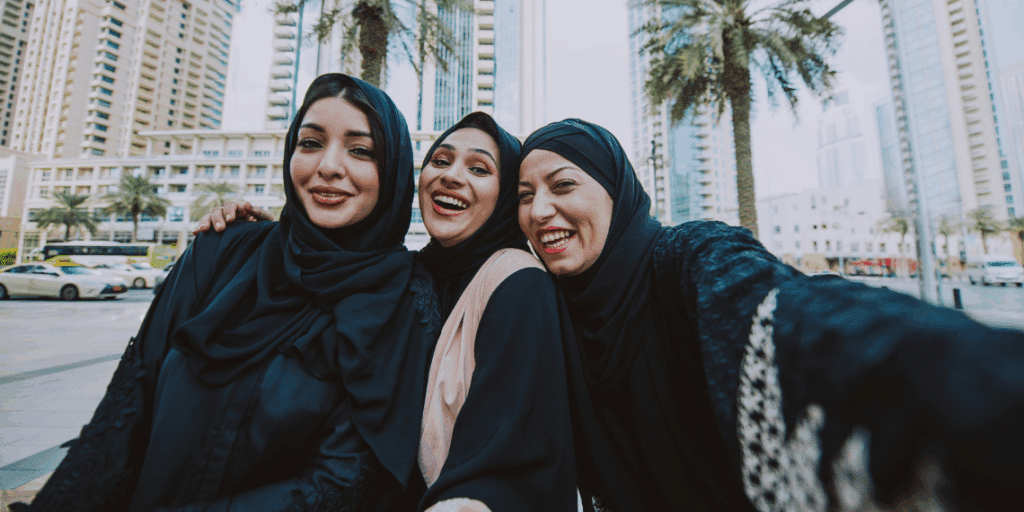
GMTI 2026 assessed 150 destinations, covering more than 98% of global Muslim visitor arrivals, using the Access, Communications, Environment and Services (ACES) framework. The latest edition places greater emphasis on AI capabilities, digital presence, smart tourism infrastructure, traveller confidence and resilience strategies amid changing global conditions.
The UAE secured sixth place among the world’s top Muslim-friendly travel destinations, achieving a score of 75. The country was also listed among the Trailblazers category, which recognises 27 destinations leading efforts to enhance experiences for Muslim travellers.
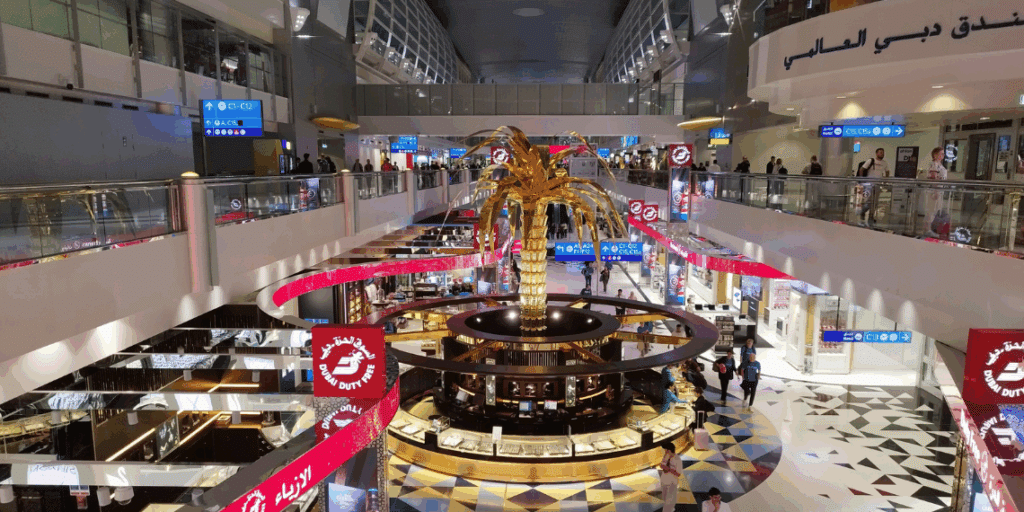
The report highlighted the UAE’s strong performance in accessibility, supported by extensive air and land connectivity, world-class airports, efficient transport networks and streamlined visa procedures. The country achieved a perfect score of 100 for the availability of halal dining options and prayer facilities.
GMTI 2026 also identified the growing influence of AI in travel planning, with 80% of surveyed travellers worldwide now using AI tools to support their journeys. These technologies are increasingly helping visitors discover halal restaurants, locate prayer facilities, compare transportation options, receive personalised recommendations and navigate destinations more easily.
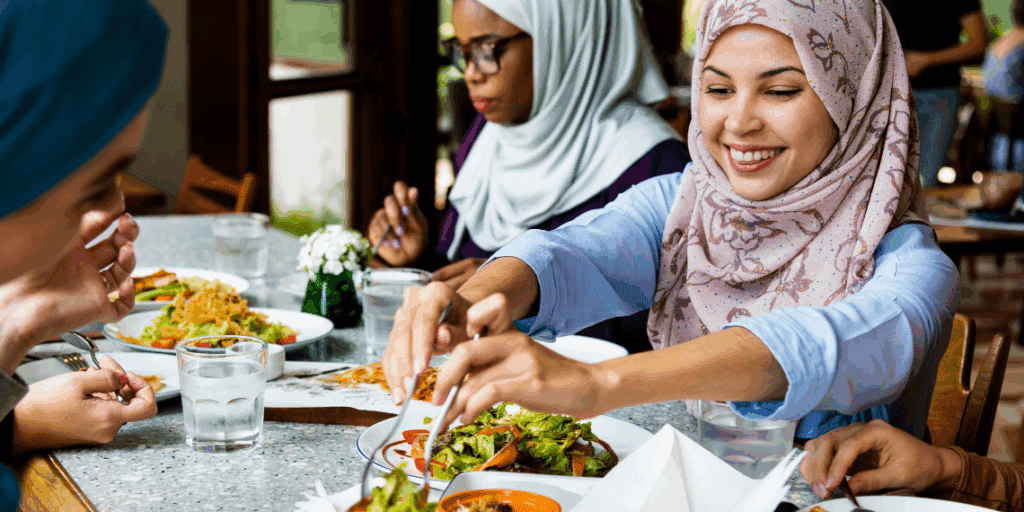
The report noted that Muslim-friendly tourism is moving beyond physical services towards digital visibility, with destinations needing to ensure their offerings are easily discoverable through AI-powered platforms. Destinations that fail to provide accurate and accessible digital information risk losing visibility among future travellers.
Emerging technologies, including e-visas, biometric border systems, AI chatbots, digital travel assistants, real-time translation services and smart destination management platforms, are also transforming the travel experience by improving convenience and reducing uncertainty.
While digital tools continue to expand, GMTI 2026 stressed the importance of human interaction and multilingual support, particularly in Arabic and English, to ensure travellers feel welcomed and culturally understood.
The UAE was recognised as a leading example in this area, offering multilingual tourism services through trained hospitality teams, dedicated tourism platforms, clear transport signage and comprehensive visitor resources.
The report also highlighted a shift in Muslim travel patterns amid global uncertainty, with rising costs, geopolitical tensions and travel disruptions encouraging more visitors to choose nearby, safer and more predictable destinations. This trend towards regional and “home-continent” travel reflects travellers’ preference for flexibility and confidence rather than cancelling trips altogether.
Over the years, GMTI has tracked the transformation of Muslim travel from a niche segment into a major global tourism market. The 2026 edition introduced the Destination Activation Stack, a model combining three assessment frameworks: ACES, which measures destination readiness; RIDA, which evaluates responsible, immersive, digital and assured travel experiences; and TRUST, which examines the factors that turn traveller interest into confirmed bookings.
The report concludes that successful Muslim-friendly destinations must go beyond providing essential services such as halal food and prayer spaces. They must also ensure these offerings are visible, accessible, reliable, digitally available and aligned with expectations around safety, sustainability, inclusion and quality experiences.